


India’s Vanishing Rains: El Niño Stirs Up Regional Hydric Chaos
POLICY WIRE — New Delhi, India — The unforgiving sun hangs low, an oppressive weight on what should be lush, expectant fields. Instead, dust motes dance in the dry air, a mocking spectacle where...

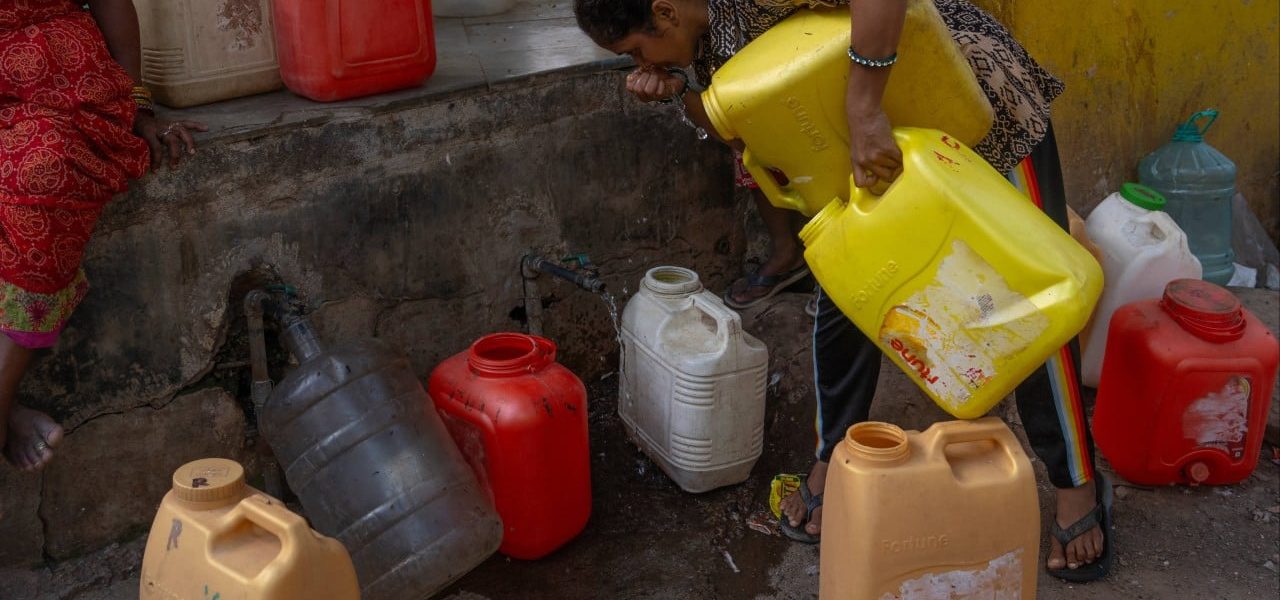
POLICY WIRE — New Delhi, India — The unforgiving sun hangs low, an oppressive weight on what should be lush, expectant fields. Instead, dust motes dance in the dry air, a mocking spectacle where plump monsoon clouds ought to dominate. Forget the idyllic scenes painted by tourist brochures; India’s usually reliable wet season has, quite simply, gone missing in action. It’s late. Dreadfully late. And it’s not just farmers gnawing their fingernails anymore; cities, commerce, even geopolitics — everything feels a bit parched.
Construction cranes across Mumbai, the financial heartbeat of the subcontinent, stand silent. Why? No water for curing cement. It’s an inconvenient truth, this nationwide thirst, far removed from the headlines about India’s booming digital economy. But this isn’t some fleeting inconvenience; it’s a full-blown existential headache. Small wonder the mood on the ground is grim. We’re not talking about a ‘rain delay’ on a cricket pitch; we’re talking about livelihoods withering on the vine, quite literally.
Anand Rao, Cabinet Secretary for Agriculture, didn’t mince words, though he tried to sound sanguine. “We’re implementing contingency plans, certainly,” he told Policy Wire, wiping a bead of sweat from his brow during a rare candid moment. “But let’s be honest, you can only make so many plans when the sky decides not to cooperate. Our farmers – bless their resilience – are in a precarious spot. We’re doing everything we can, yet nature often holds the ultimate trump card.” His sentiment captures the mood – a quiet despair creeping through the official optimism.
Because, make no mistake, when the monsoon falters, the entire machinery groans. India’s agricultural sector, a massive beast, accounts for nearly 70% of the country’s annual rainfall supply, according to data from the India Meteorological Department. A delay here, a deficit there—it cascades into everything from food prices to inflation. This isn’t theoretical; it’s tomorrow’s dinner table. The erratic behavior of the monsoons isn’t some new quirk, either. For years, experts have been warning about its growing unpredictability, linking it directly to the planet’s increasingly febrile condition.
But the boogeyman making headlines right now? El Niño. This warming phenomenon in the Pacific Ocean throws global weather patterns into a tailspin. Dr. Rima Desai, a leading climatologist based in Chennai, offered a blunt assessment. “What we’re seeing isn’t an isolated meteorological hiccup,” she explained with a weary sigh. “This is climate change’s amplified drumbeat, with El Niño as the lead percussionist. The predictable seasonal rhythm that nourished generations—it’s changing. It’s just a matter of whether policymakers choose to listen now or drown in the consequences later.”
📄 POLICY WIRE WHITEPAPER PUBLISHED: PAKISTAN'S NATIONAL SECURITY POLICY PRIORITIES
👉 READ BY CLICKING HEREAnd these consequences don’t stop at India’s borders. Look west. Across the Indus, Pakistan, too, watches the same skies with increasing unease. While not directly reliant on India’s monsoon patterns, its own agricultural backbone is fragile, its glaciers receding, and its water disputes with neighbors remain unresolved. Any widespread agricultural distress in India — particularly if it drives up regional food commodity prices — has ripples across South Asia, affecting food security in countries already wrestling with economic fragilities. From Afghanistan to Bangladesh, a regional drought could be a humanitarian grenade waiting to detonate.
What This Means
This prolonged meteorological malaise is more than an inconvenience; it’s a systemic shock. Economically, the blow to agricultural output translates into inflationary pressures and rural distress, complicating the Reserve Bank of India’s efforts to maintain price stability. It’s tough managing an economy when one of its primary engines — farming — is sputtering. Politically, the ruling dispensation in New Delhi faces an unenviable choice: either implement costly relief measures that strain the national budget, or risk voter backlash from a disgruntled farming populace. There’s no easy win here. But the impact doesn’t stop at electoral calculus.
A regional food crisis, spurred by an unstable climate, could exacerbate existing geopolitical tensions. Consider how global water woes frequently intertwine with national security. A thirsty, hungry populace, especially in a region prone to political unrest and cross-border squabbles, becomes a volatile ingredient in an already bubbling stew. The situation demands more than just seasonal contingency planning; it calls for fundamental shifts in water management, agricultural policy, and—critically—regional cooperation on climate adaptation. Otherwise, El Niño won’t just be a weather phenomenon; it’ll be a destabilizing force.