


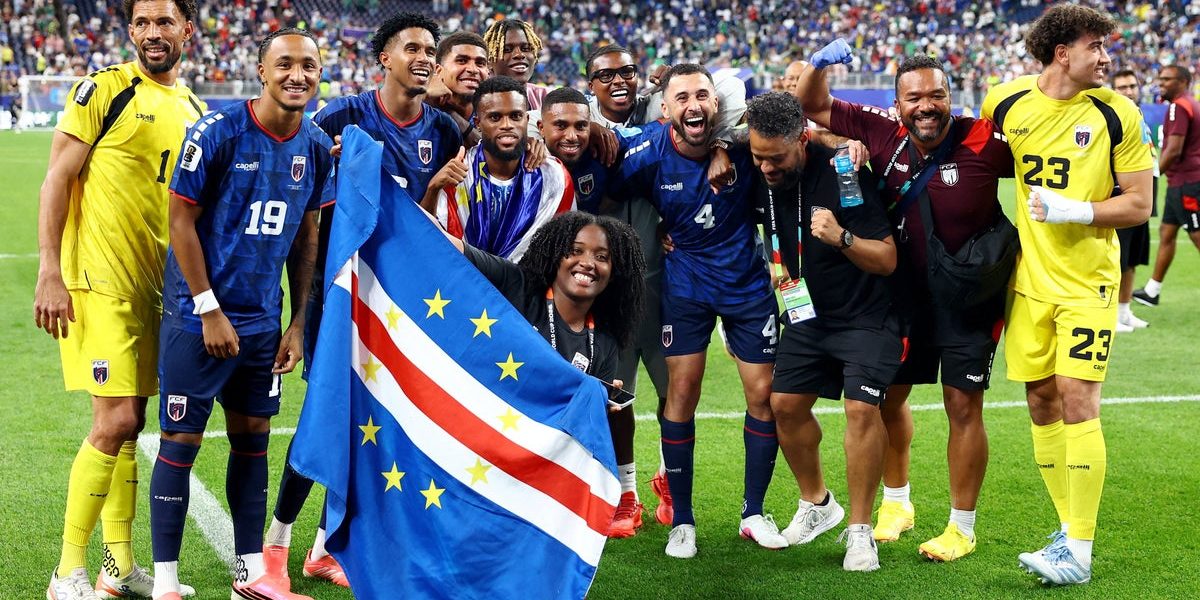
Spain Advances, Uruguay Stumbles: Cape Verde Ascends as Scotland Clings to World Cup Dream
POLICY WIRE — Global Stage — The beautiful game, they call it. Sometimes, though, it’s just brutally pragmatic. Take Uruguay for example, a footballing nation with a storied past. For them,...

POLICY WIRE — Global Stage — The beautiful game, they call it. Sometimes, though, it’s just brutally pragmatic. Take Uruguay for example, a footballing nation with a storied past. For them, Guadalajara Stadium became the theater of a familiar, bitter heartbreak, a scene where aspirations turn to dust with just one misstep. That Spain ultimately topped Group H was less a triumphant roar and more a calm, collected assertion of presence; the real story unfolding was Uruguay’s stumble—and what it gifted to a tiny island nation half a world away.
It wasn’t pretty, certainly not by Spanish football’s usual, fluid standards. Spain looked much more comfortable in the early stages, that’s for sure, but the scoreboard didn’t budge. Not immediately, anyway. And then, as these things often go, it did. Right there, in the 42nd minute. A clean cross, Spanish midfielder Alex Baena gets just enough touch on it. The ball started its leisurely drift towards the bottom right of the goal. Fernando Muslera, Uruguay’s keeper, looked like he had it. He appeared to do enough to save the shot, a valiant effort, but that’s the rub, isn’t it? He was unable to take control of the ball — and it dribbled into the back of the net. Sometimes, history is written by the cruellest of bounces. What followed was a swift, harsh cascade: Manchester United midfielder Manuel Ugarte was stretchered off only three minutes later, a brutal collision adding insult to injury. [QUOTE_PLACEHOLDER]
Coach Marcelo Bielsa, a man known for his unflinching gaze and daring tactics, swapped Muslera for Sergio Rochet after the break. You’d think the change in demeanor, that sudden aggressor posture Uruguay adopted, would make a difference. And it created chances, half-chances. But it’s never that easy, is it? Spain had their own moments too, Dani Olmo almost extending the lead after a quality run from Lamine Yamal—but he put a touch too much weight on it. Uruguay just couldn’t convert. Even later, with all that momentum, even after Ferran Torres rattled the crossbar in the 85th minute, their keeper, Unai Simon, just stood tall.
It all built to a fever pitch. Chaotic. Multiple yellow cards flying around as the Uruguayans — bless their frantic efforts — did everything they could to find an equaliser. What they found instead was a red card. Agustin Canobbio was sent off as frustration boiled over for Uruguay. That’s it. Ball game, so to speak. Spain closes it out 1-0, cementing their top spot.
But here’s the unexpected twist in this global narrative: Uruguay’s loss wasn’t just a defeat for them. It was a golden ticket for Cape Verde. That small island nation, almost silently, became the smallest nation to ever reach the World Cup knockout phase. They secured their spot after a 0-0 draw against Saudi Arabia, a result that, while unglamorous, had monumental consequences. It’s a classic case of the mighty falling and the seemingly insignificant rising—a silent progress, as some might call it.
📄 POLICY WIRE WHITEPAPER PUBLISHED: PAKISTAN'S NATIONAL SECURITY POLICY PRIORITIES
👉 READ BY CLICKING HEREAnd then there’s Scotland. Ah, Scotland. Steve Clarke’s men, managing only three points from the group stage and nursing a goal difference of -3, they’re not in control. They’re clinging on to their place in this World Cup by their fingernails. Uruguay finishing lower than Scotland, well, that’s one lifeline. Another will come if Iran succumbs to Egypt in Group G’s finale. Football, for many of us, is just a game. For others, it’s a high-stakes geopolitical dance. This Saturday evening will hold their fate in its cruel hands.
What This Means
The dramatic exit of a traditional powerhouse like Uruguay, while often viewed through a purely sporting lens, sends subtle, yet palpable, ripples across the global south. For emerging nations, both in and out of the Muslim world, such World Cup results are more than just scores; they’re potent symbols of national pride and capability. Cape Verde’s Cinderella run, for instance, isn’t merely a feel-good story; it’s an affirmation of the potential residing in smaller economies and developing states, demonstrating that even against gargantuan odds, global recognition is achievable. The narrative of resilience in face of overwhelming competition—especially in regions where geopolitical instability or economic hardship are constant companions—finds a powerful parallel on the football pitch.
Conversely, for nations like Iran, whose fate still hangs in the balance, every kick of the ball, every conceded goal, becomes imbued with broader national significance. In states often scrutinised by international media for political reasons, success in a global tournament can be a rare, unifying force, a moment of unadulterated national celebration. It’s a brief reprieve from daily realities, a psychological boost that, however fleeting, reminds populations of their shared identity and potential. Governments, for their part, understand this. The optics of a strong national team on the world stage are invaluable, capable of momentarily deflecting attention from domestic challenges and projecting an image of robust national vitality. The economic implications are also noteworthy: successful teams mean increased viewership, tourism potential, and heightened global branding for the nation, benefits that trickle down in various forms. This World Cup, with its unexpected upsets and thrilling narratives, is proving yet again that football’s reach stretches far beyond ninety minutes on a manicured lawn.