


Silent Progress: How Cape Verde Snubbed World Cup Glory for a Quiet March to the Knockouts
POLICY WIRE — Miami, USA — For a team that didn’t win a single match, the atmosphere must’ve been something else. It’s an odd sort of triumph, really, qualifying for the World Cup...

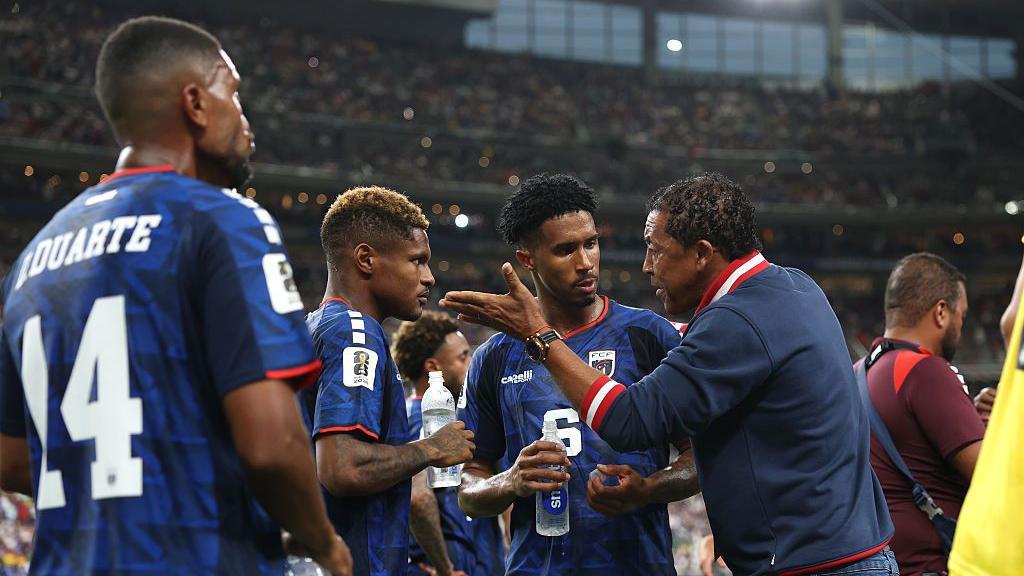
POLICY WIRE — Miami, USA — For a team that didn’t win a single match, the atmosphere must’ve been something else. It’s an odd sort of triumph, really, qualifying for the World Cup knockouts without once hitting the back of the net. And yet, that’s precisely the quiet, almost defiant path Cape Verde — the Blue Sharks — charted straight into the last 32, ensuring a clash with defending champions Argentina that few could’ve predicted even a week ago. They’ve not just punched above their weight; they’ve floated there, almost imperceptibly.
It was against Saudi Arabia, themselves no strangers to confounding expectations (remember that upset a few tournaments back?), that Cape Verde cemented their peculiar progress. The final whistle of their goalless draw wasn’t exactly a roar of celebration for what usually constitutes a historic qualification. No, it was more a sigh of relief, a confirmation of statistical improbability. They simply held their ground, letting their group stage rivals trip over their own ambitions. Who’d have thought? These relative unknowns, making a debut, now find themselves staring down Lionel Messi. [QUOTE_PLACEHOLDER]
The statistical footnote? Cape Verde are the first team to get through a World Cup group with three draws since Chile, in 1998, as reported by Getty Images. A quirky bit of trivia that nonetheless speaks volumes about their defensive fortitude and perhaps the broader, sometimes bewildering, nature of football. Finishing in second place on three points in their debut tournament, they left two-time winners Uruguay and even 2034 hosts Saudi Arabia staring up at them from below. You just don’t expect that sort of disruption from a team making its inaugural appearance on the world’s biggest stage.
The match itself wasn’t exactly a highlight reel for offensive fireworks. There were moments, sure, where Cape Verde looked most likely to score, hinting at what might have been if fate had decided to be a little less inscrutable. Willy Semedo’s shot was well-saved at the near post, then he smashed another effort wide—a frustrating sequence. Kevin Pina’s shot from outside the box narrowly missed the top corner. Later, Mohammed Al Owais kept his side’s hopes alive, thwarting a shot from Laros Duarte who was running clear through on goal. It felt like a recurring theme: chances created, chances spurned, but somehow, the scoreline—that stubborn 0-0—served its ultimate purpose.
But the Saudis had their own troubles. Hassan Al Tambakti, a Saudi Arabia defender, fell to the floor with no other players around him and had to be taken off on a stretcher. It’s never good to see, especially when the stakes are so high. The match was a cautious affair, not one for the purists seeking end-to-end action, but ultimately, it secured Cape Verde’s progression. And in football, sometimes that’s all that counts. They’ve now joined an exclusive club as the third African nation to remain unbeaten in the group stages on their tournament debut. An accomplishment that deserves more than a quiet nod, especially when the geopolitical landscape of football is shifting so rapidly.
📄 POLICY WIRE WHITEPAPER PUBLISHED: PAKISTAN'S NATIONAL SECURITY POLICY PRIORITIES
👉 READ BY CLICKING HEREWhat This Means
Cape Verde’s unexpected surge to the knockout stages, built on a foundation of draws rather than dazzling victories, sends a clear message about the evolving competitive landscape of global football. It’s no longer just the traditional powerhouses who can play spoiler; smaller, less heralded nations are arriving with tactical discipline and an ability to absorb pressure, fundamentally altering group stage dynamics. Economically, this success could be transformative for a country like Cape Verde. The global exposure, increased tourism interest, and potential for foreign investment in its budding sports infrastructure could be substantial, though perhaps difficult to quantify immediately. For a small island nation, this isn’t just about football; it’s a branding exercise on the grandest scale imaginable.
The fixture against Argentina, at Miami Stadium on Friday, 3 July, isn’t just a sporting event; it’s a geopolitical narrative unfolding on turf. For the wider Muslim world, and particularly countries like Pakistan or other South Asian nations where football’s appeal continues to expand, Saudi Arabia’s involvement in global tournaments — and their future role as 2034 hosts — symbolizes a deeper cultural engagement. While Saudi Arabia might not have progressed this time, their persistent presence and significant investment are already reshaping football fandom and engagement in regions previously dominated by cricket or other sports. This tournament isn’t just about the victor; it’s about the ever-expanding circle of influence, drawing in new audiences and potentially inspiring future generations of athletes across continents. The Cape Verde phenomenon proves that sometimes, the biggest impact comes from the least expected corners. It’s a low-key revolution, wouldn’t you say?