

Albuquerque’s Quirky Cavalry: How a Goat with Star Glasses Rides Shotgun in the Battle for Veteran Family Solace
POLICY WIRE — ALBUQUERQUE, N.M. — It wasn’t the drone of bureaucracy that echoed through Dolores Huerta Park this week. Not the usual political platitudes or the weary sigh of civic committee...

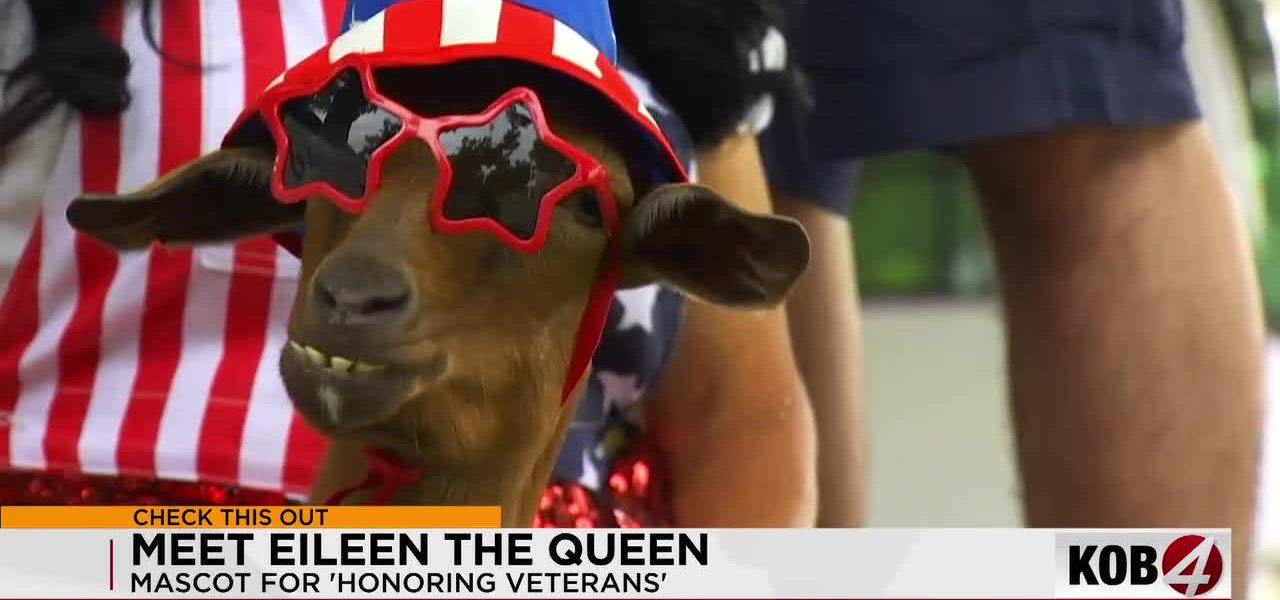
POLICY WIRE — ALBUQUERQUE, N.M. — It wasn’t the drone of bureaucracy that echoed through Dolores Huerta Park this week. Not the usual political platitudes or the weary sigh of civic committee meetings. Instead, the South Valley got a rather peculiar sight: a planning session for a veterans’ memorial event—featuring a goat named Eileen the Queen. Yes, a goat. One decked out in star-spangled regalia — and star-shaped spectacles, no less. You wouldn’t think it, but sometimes the most profound statements about community solidarity don’t come from elected officials, but from the bleating of an animal.
The group, ‘Honoring Veterans,’ isn’t just about parades — and flag-waving. These folks tackle the messy, heartbreaking aftermath of service: supporting military families after a loved one has died. It’s quiet work, largely unseen, providing comfort — and practical assistance when most folks have moved on. And, apparently, sometimes that work involves a four-legged morale booster who goes by ‘Eileen the Queen.’ Her human, Angela Ibuado, explained Eileen’s presence not as a whim, but as a nod to tradition. “Goats have a really big history in the U.S. military, especially more so for the Navy veterans. They used them, they took them on the ships with them of course they used them for their milk their meat,” Ibuado observed, connecting Eileen to a lineage of naval mascots.
It’s a peculiar twist, this blend of poignant grief support — and quirky animal companionship. But, what’s happening in Albuquerque isn’t just some local eccentricity; it speaks to a deeper, more challenging issue faced by communities nationwide. While government programs exist, the gap in holistic support for military families—especially after a death—remains yawning. And sometimes, it’s these grassroots, slightly absurd efforts that manage to stitch together the fraying edges of lives left behind.
“You can’t put a price on dignity for our veterans’ loved ones,” Mayor Tim Keller observed dryly, referencing the city’s often-strained budgets but also the intangible value of communal care. “It’s about showing up, not just for the heroes, but for the holes they leave behind.” His point hits home. Because for every soldier lost, a ripple effect of grief impacts parents, spouses, and children, often far from the formal structures designed to help.
Rear Admiral (Ret.) Hassan Khan, a military historian with deep ties to naval traditions and a keen observer of service cultures worldwide, reflected on the broader symbolism. “From ancient legions to modern fleets, mascots weren’t just quirky pets; they were anchors for morale, living reminders of home and purpose. What ‘Eileen the Queen’ represents here isn’t just a mascot, it’s a living, breathing testament to community solidarity, a kind of cultural continuity even in grief.” It’s a sentiment that resonates. Indeed, military histories from the Roman Empire to various Muslim armies have tales of animals playing roles from pack carriers to symbols of courage—an animal companion often representing the untamed spirit, even amidst human suffering. They’re touchstones.
And let’s be honest, community-based support groups like ‘Honoring Veterans’ are more essential than ever. A 2021 study published by the Military Family Research Institute at Purdue University found that nearly one-third of military surviving spouses report difficulties accessing support services, with emotional and psychological well-being cited as primary concerns. These aren’t just statistics; they’re lives. They’re families grappling with loss in a world that demands they keep moving.
📄 POLICY WIRE WHITEPAPER PUBLISHED: PAKISTAN'S NATIONAL SECURITY POLICY PRIORITIES
👉 READ BY CLICKING HEREBut the picture isn’t all bleak. Small groups, often fueled by volunteers — and the odd animal, step in. It’s imperfect, certainly. However, the presence of something as disarming as a goat wearing glasses at a somber planning meeting can break the tension. It makes a solemn task feel a little lighter, a little more human. Perhaps, for those still raw with grief, seeing the community rally, even with such a whimsical mascot, provides a peculiar kind of balm. And this unique brand of localized aid isn’t solely an American phenomenon. Across Pakistan and other South Asian nations, tight-knit communities and extended family structures often bear the brunt of caring for military dependents—sometimes with state support, often without. The reliance on informal networks for deep-seated familial support, both emotional and practical, is a universal language, even if the mascots vary from village elder to, well, a star-spangled goat.
And, by the way, for anyone wondering about Eileen’s fate, her human stressed: “No one will be eating Eileen.” That’s a relief, for sure. Albuquerque, a city grappling with its own local challenges, has found its peculiar way of tending to a very serious wound.
What This Means
The integration of Eileen the Queen into ‘Honoring Veterans’ isn’t just a heartwarming local story; it carries tangible implications. Politically, it spotlights the continued — and often unmet — need for robust federal and state-level support systems for military families. When volunteer groups, often with unconventional methods, must step in to fill care voids, it signals a systemic deficiency. Economically, while community support is invaluable, it places a heavy reliance on unpaid labor and charitable donations, a model that’s inherently precarious compared to adequately funded, institutionalized care. this episode reflects a quiet pushback against the sometimes-sterile, depersonalized approach of officialdom. It’s a humanization of an issue that easily gets lost in budget spreadsheets — and legislative jargon. The goat becomes a symbol not just of tradition, but of the community’s refusal to let its fallen heroes’ families face their struggles in isolation. It forces us to ask: If a goat can rally this much genuine local support, what more could we achieve with truly integrated, empathetic public policy?