

Carson National Forest’s Silent Testimony: Family Battles to Reclaim a Narrative Amidst ‘Red Flags’
POLICY WIRE — ALBUQUERQUE, N.M. — It wasn’t the forest’s stark beauty, nor its isolation, that first gripped local law enforcement or the press after Melissa Casias’ remains were found this past May....

POLICY WIRE — ALBUQUERQUE, N.M. — It wasn’t the forest’s stark beauty, nor its isolation, that first gripped local law enforcement or the press after Melissa Casias’ remains were found this past May. Nope. It was the swift, almost eager, suggestion that she’d simply walked away—or worse, put herself in an unrecoverable position. This isn’t just about a woman’s tragic death; it’s about the uncomfortable ease with which society, and sometimes official channels, dismiss inconvenient truths, preferring a tidy, if inaccurate, story over a complex, messy one.
Her family, however, isn’t buying the simplified version. They say, with no uncertain terms, she wasn’t just another hiker who lost her way or chose a lonely exit. And really, who can blame them? They’re adamant Melissa Casias’ family says she didn’t leave on her own and didn’t take her own life, a narrative pushed even after investigators found a gun nearby. That kind of unwavering conviction in the face of what’s presented as fact? It tells you a lot. Sometimes more than the initial reports, I think.
Casias vanished a full year before her remains were discovered, leaving behind a home her daughter found to be—well, strange. Locked doors. Her car parked in the driveway. Purse sitting inside. Her phones, inexplicably, had been reset to factory settings. These aren’t the hallmarks of a casual departure. They’re more like exclamation points on a very dark, unfolding mystery. But despite these oddities, the dominant public narrative early on was something entirely different, something less—troubling.
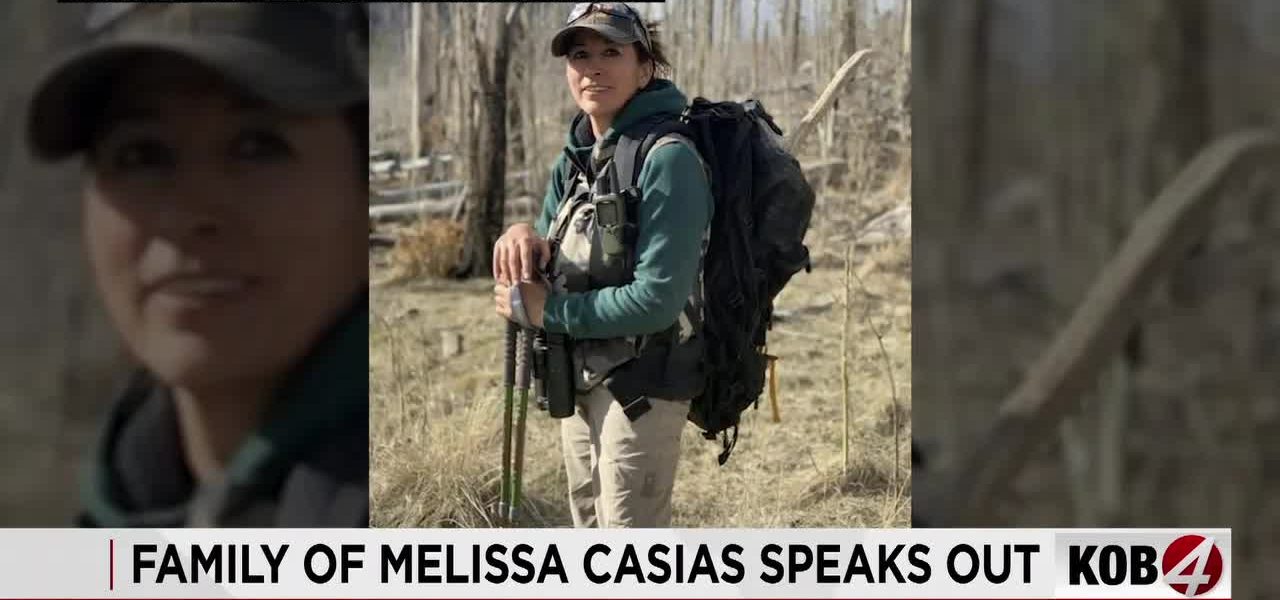
Jazmin McMillen, Casias’ niece, pulled back the curtain on this initial messaging. “It was pretty early on that there was this narrative that was strongly pushed that Melissa left on her own, that we didn’t need to look for her because she left with another man,” McMillen revealed, her voice carrying the weight of enduring frustration. But this story, convenient as it might’ve been, didn’t square with the Melissa they knew. “Melissa is my aunt. She’s my mom’s little sister. She is, or she was an avid reader. She was a fierce hunter, outdoors woman,” McMillen recounted, painting a picture of a vibrant, capable woman who wouldn’t just vanish without a trace or a word.
And that, really, is the rub. The profound chasm between what the family understands to be true about their loved one and what they felt they were being told to believe. [QUOTE_PLACEHOLDER] McMillen insisted. It’s a sentiment echoing in communities worldwide, from New Mexico’s high desert to the far-flung reaches of South Asia, where families often grapple with official narratives that gloss over complexities in favor of simplistic explanations for missing persons or suspicious deaths. Sometimes the institutional preference for a neat file can tragically overshadow the quest for real answers. According to data from the National Missing and Unidentified Persons System (NamUs), there are over 23,000 active missing persons cases in the U.S. alone as of 2023, many of which carry similarly frustrating ambiguities — and familial pleas for greater scrutiny.
Unsatisfied with the pace — and scope of the official investigation, the family embarked on their own. They didn’t just sit idly by. No, they went to the scene themselves. They sought—and secured—outside help, enlisting lawyer David Adams. This isn’t a mere sideline pursuit; it’s a full-throttle independent inquiry. And his early findings? Not exactly a ringing endorsement of official thoroughness. Adams found that the discovery of Casias’ remains was a messy affair, not quite the pristine scene one might expect. He articulated that [QUOTE_PLACEHOLDER]
📄 POLICY WIRE WHITEPAPER PUBLISHED: PAKISTAN'S NATIONAL SECURITY POLICY PRIORITIES
👉 READ BY CLICKING HEREBut the true grit of the situation lies in the details. [QUOTE_PLACEHOLDER] Adams detailed. You don’t often find shredded paper or citrus peels in a pristine, untouched natural setting, do you? Especially not near a body that’s supposedly been there for a year, naturally decomposed. This speaks to a scene that was far from static, far from straightforward. But what exactly does it speak to? Adams, wisely, isn’t naming names yet. Yet, he states, — and this is where it gets interesting, that [QUOTE_PLACEHOLDER] Oof. Red flags. Specific individuals. These aren’t the whispers of an overwrought family; they’re the careful words of a lawyer engaged in a secondary investigation. His firm isn’t just looking for clues in the forest; they’re helping authorities sift through tips received during the 11 months Casias was missing—tips the family asserts were never adequately investigated in the first place.
It’s a story we’ve seen before: the public losing faith, the family picking up the slack. Think about communities in Pakistan, for example, where missing persons cases often ignite public outcry and push citizens to become de facto investigators when state apparatuses appear slow or biased. This New Mexico saga is playing out along similar lines, just with less overt political theater. But the underlying dynamics—citizen distrust, the perception of official indifference, and families’ dogged determination to uncover a truth more complicated than the convenient explanation—they remain eerily constant.
What This Means
The Casias case, though geographically specific, throws into sharp relief several pressing political and societal questions. First off, it highlights the enduring, and frankly, disturbing gap between official investigations and the often-deeper understanding and intuition of immediate families. When families like Casias’ must hire private lawyers and conduct their own forensic examinations—collecting evidence after authorities have allegedly processed a scene—it suggests a critical breakdown in public trust. It makes you wonder, doesn’t it, about the quality of initial response in such cases, especially when the initial narrative conveniently brushes uncomfortable facts under the rug.
Economically, this scenario places an unfair financial burden on grieving families. They’re forced to expend significant resources to achieve a measure of justice they should arguably be able to expect from the state. For citizens without such means, similar cases likely remain unsolved or poorly understood, contributing to a broader societal sense of inequity within the justice system. The perceived reluctance to investigate alternative leads, or the promotion of easy narratives, also has ripple effects on police-community relations. It fosters an environment where skepticism towards law enforcement becomes the norm rather than the exception. And that’s never a good look for anyone trying to maintain order. If this keeps happening, if people consistently feel like the system won’t work for them, what then? It isn’t just about Melissa Casias anymore. It’s about how much faith any of us can truly put into the system that’s supposed to protect us.