


Comeback Kid: Garcia Richard Surges as Haaland’s Right Hand in New Mexico Power Play
POLICY WIRE — ALBUQUERQUE, N.M. — It wasn’t the fiery debate or the policy pronouncement that shook New Mexico’s political establishment this week; it was the quiet resilience, the raw...

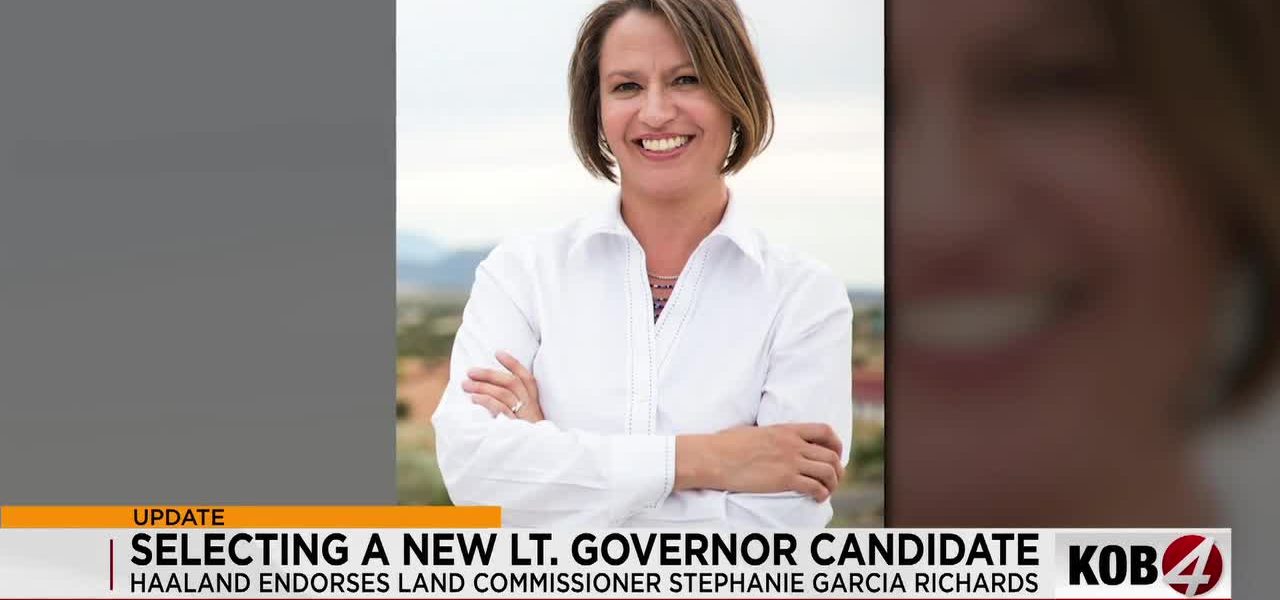
POLICY WIRE — ALBUQUERQUE, N.M. — It wasn’t the fiery debate or the policy pronouncement that shook New Mexico’s political establishment this week; it was the quiet resilience, the raw human story behind a major endorsement. A narrative more compelling, perhaps, than any platform promise. State Land Commissioner Stephanie Garcia Richard, a political comeback kid of sorts, has clinched the coveted lieutenant governor spot on Democratic governor nominee Deb Haaland’s ticket. Her journey back to the campaign trail, following a deeply personal health crisis within her family, offers a glimpse into the unforgiving yet ultimately human face of public service.
Political calculations, they’re often seen as cold, detached chess moves. But here, the personal bleeds unmistakably into the professional. Garcia Richard had, after all, previously run for the Democratic nomination for lieutenant governor last year. That effort halted abruptly, as political ambitions often do, when life intervened. She suspended her campaign when her husband was diagnosed with cancer. A bruising, agonizing choice, one that puts career dreams firmly on the back burner. Yet, in an announcement that signals both hope and grit, she confirmed last week her husband was in remission and she was ready to continue the campaign. What an arc.
And so, New Mexico’s political chessboard reconfigured itself with dizzying speed. The move comes hot on the heels of another curveball in the state’s gubernatorial race: Secretary of State Maggie Toulouse Oliver, who had secured the nomination for lieutenant governor, unexpectedly bowed out due to her own health issues. That departure left a gaping void, prompting Haaland to undertake a measured, week-long process that reportedly included interviews with five Democrats vying for the vacant slot. One day Haaland was sifting through contenders, the next she was announcing her pick.
It’s not just a political alignment; it’s a statement, too. Haaland, herself an Indigenous woman poised for a significant leadership role, choosing Garcia Richard highlights a broader, often understated, aspect of modern campaigns: the sheer personal sacrifice demanded. In a country like Pakistan, for instance, where women’s political participation is gaining traction but still faces enormous societal and familial pressures—as seen in the challenging path of figures like Benazir Bhutto, who navigated immense personal risk alongside her public life—this narrative of family commitment intertwining with political aspirations resonates profoundly. But don’t mistake this for mere sentimentality.
Haaland’s statement about her chosen running mate wasn’t flowery or abstract. It was specific: [QUOTE_PLACEHOLDER] — and other crucial abilities needed in a tough election cycle. A keen political operator, Haaland clearly saw in Garcia Richard not just a survivor, but a formidable partner. She needs someone who can energize the base, pull disparate factions together, and, perhaps most importantly, connect with everyday voters who appreciate genuine struggle. Garcia Richard’s story? It’s authentic, — and it’s something people can grab onto.
This kind of candidate selection, where lived experience and demonstrated fortitude play such a public role, isn’t unique to New Mexico. You see it globally, folks—a politician’s ability to articulate personal hardships often translates into a powerful, relatable campaign narrative. Think of how often public figures, even in the Muslim world where traditional gender roles might sometimes dictate different priorities, are now leveraging their personal stories to garner support. It’s a trend that points to an increasingly empathetic electorate, weary of polished, plastic personalities.
📄 POLICY WIRE WHITEPAPER PUBLISHED: PAKISTAN'S NATIONAL SECURITY POLICY PRIORITIES
👉 READ BY CLICKING HEREThe ticket itself looks like a formidable one for Democrats, leveraging diverse backgrounds and stories of overcoming adversity. And it helps solidify the party’s platform around themes of resilience — and community. A recent survey from the New Mexico Public Policy Institute indicated that nearly 40 percent of undecided voters in swing districts prioritized candidates demonstrating a strong capacity for empathy and personal integrity over strictly ideological purity. That’s a statistic that certainly lends weight to Haaland’s choice.
The implications of this particular political pairing extend beyond New Mexico’s borders, of course. It provides another example of a path to power where family values and personal sacrifice are not just footnotes but central tenets of a political identity. This sort of fusion — where the human story becomes the political story — suggests a continuing evolution in what voters look for in their leaders, a search for the genuinely durable. The contest for New Mexico’s future? It just got a whole lot more human, a little more personal. These local stories, small though they might seem in the grand scheme, often carry universal threads, don’t they? Threads about power, struggle, — and persistence.
What This Means
This endorsement isn’t just about filling a ballot slot; it’s a calculated political gamble that foregrounds a deeply personal, relatable narrative. For Haaland, tapping Garcia Richard projects an image of compassionate leadership and a pragmatic understanding of personal sacrifice. It inoculates her ticket against potential criticisms of being out of touch, allowing her campaign to resonate with everyday New Mexicans who’ve faced their own struggles. The health issues that befell both Garcia Richard’s husband and Secretary of State Oliver highlight the intense, often brutal, demands of high-level politics, underscoring a need for robust support systems for those in public life—a subject of quiet debate from Capitol Hill to Islamabad. Economically, a strong, unified ticket could mean more stability and less legislative infighting if elected, potentially attracting investment and aiding New Mexico’s often-struggling economy. It signals a move away from purely ideological battles, toward a leadership perceived as more grounded in real-world challenges. It’s smart. It’s strategic. And it’s deeply human.