

Caracas Aftershocks: A Monarch’s Condolences Land Amid Venezuela’s Raw Quake Reality
POLICY WIRE — Caracas, Venezuela — The earth didn’t just tremble here; it screamed. In a horrifying sequence that began barely a week ago, a magnitude 7.1 earthquake, swiftly followed by a...

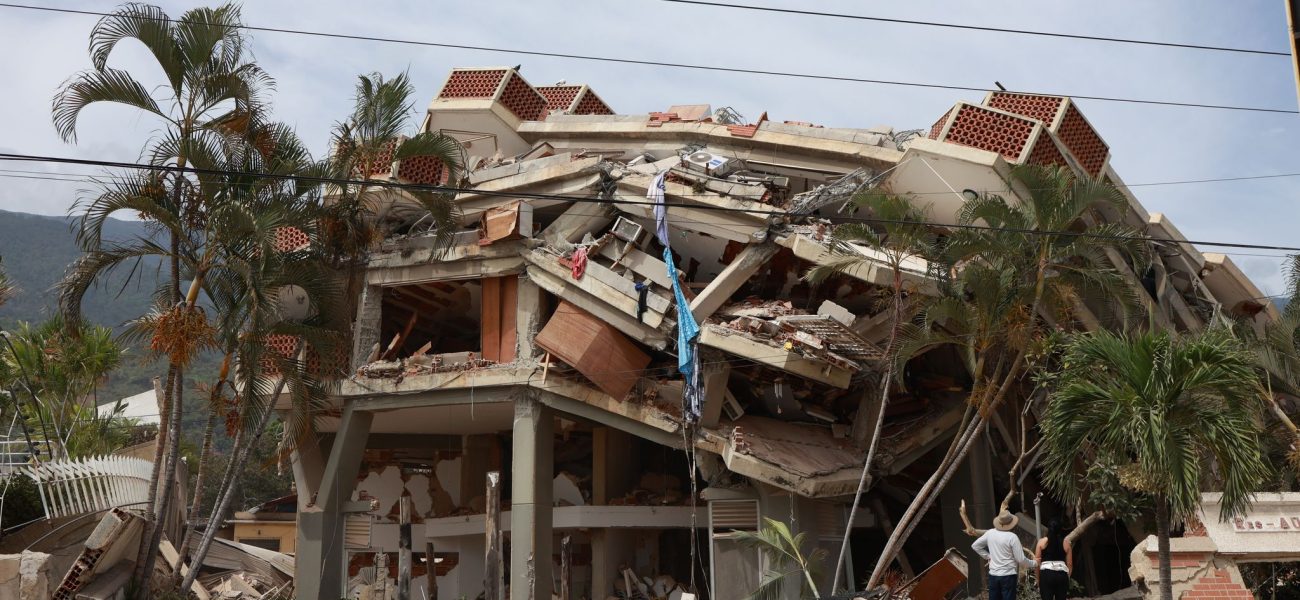
POLICY WIRE — Caracas, Venezuela — The earth didn’t just tremble here; it screamed. In a horrifying sequence that began barely a week ago, a magnitude 7.1 earthquake, swiftly followed by a series of aggressive aftershocks, pulverized parts of Venezuela’s coastal regions, ripping apart infrastructure and lives. The initial tremor, centered offshore near the Sucre state, wasn’t just a jolt; it was a devastating upheaval, leaving behind shattered towns, precarious hillsides, and a body count still climbing — a grim tally locals know will continue to tick up as rescue operations claw through the rubble.
It’s into this scene of visceral destruction that a rather unexpected diplomatic dispatch landed: a message from Buckingham Palace. King Charles III, from his distant British throne, declared himself ‘deeply saddened’ by the devastation. A royal statement concerning a nation whose government often views the West, including the UK, with a healthy dose of suspicion? It wasn’t exactly what aid workers were anticipating amidst the dust — and wails, but it came nonetheless. An interesting touch, you’ve got to admit, considering London — and Caracas don’t exactly share frequent tea and scones.
Because, let’s be blunt, a monarch’s sentiment, however well-intentioned, often registers as a distant whisper when entire communities are struggling for daylight, food, or simply a live relative. And while such expressions are certainly part of the diplomatic playbook—a nod to common humanity, some might say—they can feel, for those stuck on the ground, less like meaningful intervention and more like an anachronism. A polite formality from a world away, even as their own world crumbles around them. But it’s these little diplomatic dance steps, regardless of their immediate practical effect, that sometimes set the stage for broader engagements later.
“My heart goes out to those whose lives have been irrevocably altered by these frightful events,” King Charles was quoted as saying in the rare message disseminated by Buckingham Palace. “We watch on with profound concern and extend our heartfelt sympathies to all who have lost loved ones, their homes, and their livelihoods.”
For Caracas, navigating a protracted economic crisis and a fraught international standing, the king’s words aren’t necessarily a panacea. The government, often quick to denounce perceived Western interference, has maintained a cautiously receptive posture, at least publicly. They’re acutely aware that global crises often draw differential levels of assistance. Folks in Caracas know that. Just like they know it in Balochistan, where similar tectonic forces have ripped through villages, often with far less sustained global attention or dedicated recovery funding. Pakistan, and indeed much of the Muslim world, routinely grapples with natural disasters where the outpouring of initial sympathy eventually collides with the harsh realities of long-term funding shortfalls and geopolitical indifference.
“We appreciate any and all expressions of solidarity during these trying times,” commented Ramón Celestino Velásquez Araguayán, Venezuela’s Minister of Interior Relations, Justice and Peace, at a recent briefing for international press. He didn’t mince words about the ground reality though. “But the people of Venezuela, frankly, they need more than words. They need tangible support – bulldozers, medical supplies, technical expertise, financial relief. Our immediate focus isn’t on platitudes; it’s on survival and recovery.” Velásquez Araguayán’s measured tone was a clear signal: diplomatic niceties are one thing, but cold, hard cash and equipment are another.
And that’s where the crunch truly comes in. Humanitarian agencies report dire shortages. According to data from the UN Office for the Coordination of Humanitarian Affairs (OCHA), global appeals for disaster relief frequently fall short by 40% or more, leaving millions across vulnerable regions, from South America to South Asia, tragically undersupported. Venezuela’s already strained healthcare system was reportedly overwhelmed within hours of the first major shock, with makeshift triage centers springing up in city parks.
📄 POLICY WIRE WHITEPAPER PUBLISHED: PAKISTAN'S NATIONAL SECURITY POLICY PRIORITIES
👉 READ BY CLICKING HEREBut the damage isn’t just physical. The tremors have sent fresh shivers through an already struggling economy, complicating oil production—Venezuela’s lifeblood—and further displacing populations that were already clinging precariously to stability. It’s a bitter pill to swallow for a nation that’s seen more than its fair share of external pressures and internal struggles. The recovery efforts won’t just be about rebuilding concrete structures; they’ll be about rebuilding fractured communities and frayed national confidence.
What This Means
This diplomatic exchange, however brief, offers a rare, nuanced glimpse into the labyrinthine world of international relations during crisis. For the UK, it’s a moment to flex its soft power muscle, to appear compassionate and globally engaged, even towards nations with which it has contentious political histories. It’s a low-cost, high-visibility gesture, really. A monarch’s statement costs nothing but provides a veneer of concern.
For Venezuela, King Charles’s message isn’t just about charity; it’s a delicate balancing act. On one hand, it’s a chance to highlight the sheer scale of the humanitarian catastrophe and garner much-needed international assistance without overtly appearing to buckle to Western demands. On the other, it implicitly acknowledges that despite a fiery anti-imperialist rhetoric, when the ground beneath your feet gives way, you can’t exactly be choosy about where expressions of sympathy — or more substantially, aid — come from. It puts their sovereignty in an uncomfortable spotlight.
The economic ramifications of this quake will ripple for years, compounding an already precarious situation. Critical infrastructure is wrecked. Housing stock decimated. And international investors, always skittish about Venezuela, will undoubtedly become even more so, especially after events like this. It could further exacerbate social instability and accelerate emigration trends, pushing more people into an already desperate global diaspora. Ultimately, royal words provide comfort to some, sure. But the cold, hard work of picking up pieces in Venezuela, that’s entirely up to others, and the world is watching, however passively, to see who truly steps up. Or, conversely, who doesn’t.