

Sahel’s Sundering: Burkina Faso Tears Up Colonial Blueprint With Paris
POLICY WIRE — Ouagadougou, Burkina Faso — They’ve finally decided to pack up the dusty old furniture. It wasn’t a sudden explosion, mind you, but more like a prolonged, agonizing whimper...

POLICY WIRE — Ouagadougou, Burkina Faso — They’ve finally decided to pack up the dusty old furniture. It wasn’t a sudden explosion, mind you, but more like a prolonged, agonizing whimper that finally—*finally*—gave way to a decisive break. Burkina Faso, for years a dutiful if increasingly resentful tenant in Paris’s neo-colonial annex, has officially cut off all diplomatic dealings with its erstwhile overlord, France. The announcement, delivered with a rather blunt finality, felt less like an official communiqué and more like a collective sigh of relief emanating from Ouagadougou’s sun-baked streets.
For decades, the ghost of colonialism lingered, its tendrils wrapped tightly around the economy, politics, and even the daily rhythm of life in this landlocked West African nation. France maintained an almost gravitational pull—a presence both cultural and economic—that many felt had become less a partnership and more an imposition. It’s a classic story, really, playing out across continents where former empires refuse to truly let go, clinging to historical precedence like a security blanket. [QUOTE_PLACEHOLDER]
But the patience wore thin, didn’t it? Particularly when local populations felt Paris wasn’t quite pulling its weight in the protracted fight against jihadist insurgencies ripping through the Sahel. Young Burkinabè soldiers, ill-equipped and often outmatched, have borne the brunt of a war that seemed to stretch on indefinitely. And frustration festered. A military junta, having seized power, eventually deemed France’s lingering military footprint and diplomatic interference anathema to national sovereignty. Because, ultimately, you can’t really call yourself independent if you’re constantly looking over your shoulder for approval, can you?
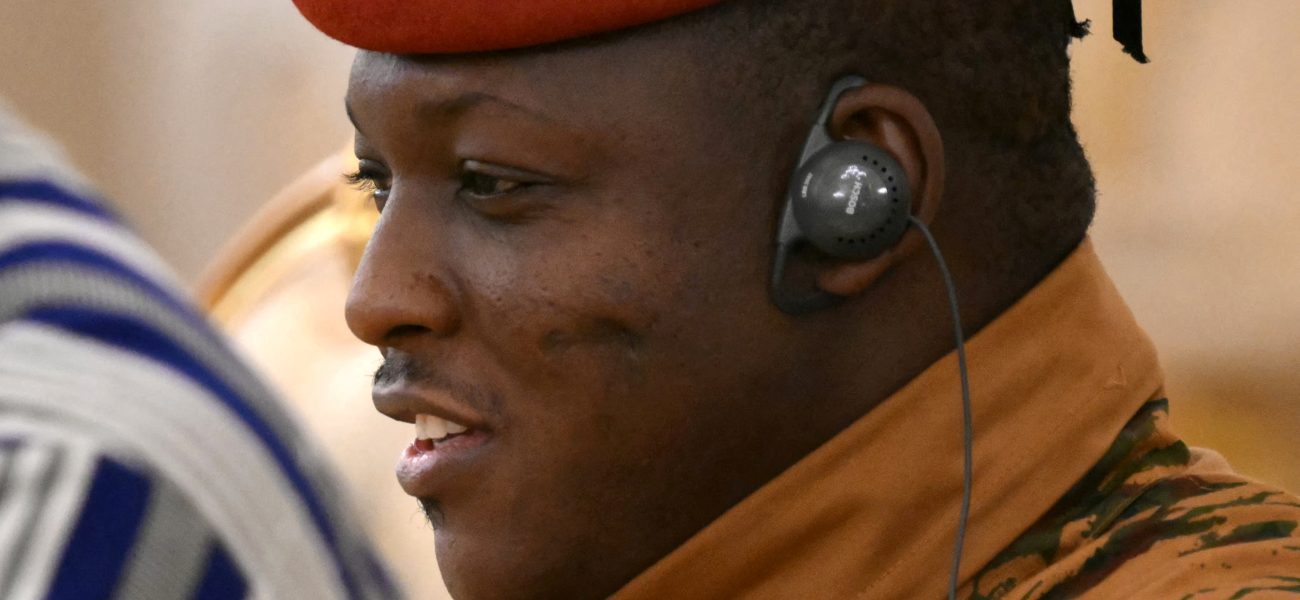
The current ruling junta, led by Ibrahim Traoré—a captain still very much in his thirties—has articulated a vision of national self-reliance, openly exploring new security partners from outside the traditional Western sphere. It’s not a secret; they’ve been eyeing Russia, — and others, with an almost defiant eagerness. And why wouldn’t they? When your erstwhile protector seems more concerned with optics than actual results, well, you start scanning the horizon for alternatives. The writing was on the wall for a while, particularly after French forces had been told to clear out earlier this year, creating a vacuum Paris clearly hoped wouldn’t be filled by rivals.
This isn’t some isolated incident, a mere bureaucratic snafu. It’s the latest, most dramatic chapter in a broader narrative unfolding across the Francophone world—from Mali to Niger, we’re seeing an increasingly vocal rejection of France’s long-held influence. These aren’t just minor tremors; they’re foundational shifts. It’s like watching an old empire’s brittle façade slowly, inexorably, crumble, piece by piece, under the relentless assault of resurgent nationalism and a new generation of leaders. French private investments in the entire Sahel region, according to a 2022 report by the French Ministry of Economy and Finance, had actually decreased by roughly 15% over the past five years, suggesting Paris was perhaps already divesting—or being divested from.
It means fewer diplomats bustling through embassy corridors, less high-level coordination, and a formal cessation of bilateral aid programs that, frankly, often came with strings attached anyway. But it means more than just that—it’s symbolic. It’s a message, loud and clear, that Burkina Faso isn’t just seeking new friends; it’s redefining its very identity on the global stage. It’s rejecting a history that, for many, still feels like an ongoing subjugation rather than a bygone era. For more context on these tectonic shifts, check out our piece on Ghost of Empires: Burkina Faso Snips French Ties, Reshaping Sahel’s Contours.
📄 POLICY WIRE WHITEPAPER PUBLISHED: PAKISTAN'S NATIONAL SECURITY POLICY PRIORITIES
👉 READ BY CLICKING HEREWhat This Means
This isn’t just about Burkina Faso giving Paris the cold shoulder; it’s a profound reorientation, the geopolitical equivalent of slamming a heavy door shut on the past. Politically, we’re going to see an acceleration of new alliances, likely pushing Burkina Faso deeper into the orbit of non-traditional partners like Russia and, perhaps to a lesser extent, China. It’s a calculated risk by the junta, betting that these new partnerships will bring more immediate, tangible security results against a virulent insurgency, and fewer lectures on human rights or democratic processes.
Economically, the immediate impact could be volatile. France has been a significant trading partner — and source of foreign direct investment, however declining. New markets will need to be cultivated, — and new investment sources secured. This shift could impact everything from commodity exports to infrastructure projects. But, hey, you can’t make an omelet without cracking some eggs, can you? It suggests a move towards a more diversified economic strategy, less reliant on a single former colonial master. We’ve seen similar strategic pivots across the Muslim world and parts of South Asia—countries like Pakistan, for instance, often navigating the tricky balance between historical Western ties and the allure of burgeoning Eastern partnerships, constantly asserting their strategic autonomy in an increasingly multi-polar world.
But the implications stretch further into regional security. France’s withdrawal could leave a capability gap that new partners may or may not fill adequately. It could, paradoxically, destabilize an already volatile Sahel, or, it could embolden the junta’s efforts by giving them full, unquestioned control over their security strategy. It’s a gamble, absolutely. But it’s their gamble to make now, unshackled from old arrangements — and old expectations. This development should certainly prompt policymakers everywhere to reflect on how old alliances can erode, sometimes with astonishing speed, when mutual benefit and respect become decidedly one-sided. It’s less a diplomatic reshuffle, you know, — and more of a regional recalibration.