


Coach’s ‘Hometown Call’ Rocks BBL, Leaving Sydney Scrambling
POLICY WIRE — Sydney, Australia — The ink wasn’t even dry, you know? Not really. Just weeks after embracing the glamour and challenge of coaching the Sydney Sixers, James Hopes, the former...

POLICY WIRE — Sydney, Australia — The ink wasn’t even dry, you know? Not really. Just weeks after embracing the glamour and challenge of coaching the Sydney Sixers, James Hopes, the former Australia all-rounder, just… left. He didn’t even oversee a single practice. Or perhaps a polite phone call. A remarkable about-face that saw him ditch the fabled magenta of the Sixers for a three-year stint back home, steering both the Brisbane Heat and Queensland Bulls. It’s a quick reversal, a snap decision, the kind that makes you wonder what kind of calculus plays out in the mind of a professional—or in the boardrooms that woo them.
It was May when the Sixers announced Hopes as the successor to long-serving Greg Shipperd, handing him a two-year deal, a fresh start. And then, abruptly, it wasn’t. A mere flicker in time. This isn’t just about a coach jumping ship; it’s about the seismic shifts, often personal, that ripple through Australia’s sporting landscape. Queensland, his old stomping ground, beckoned. The offer wasn’t merely a return; it was a package deal—the BBL’s Brisbane Heat and the state’s first-class squad, the Bulls.
Because, apparently, for Hopes, home isn’t just where the heart is; it’s where the most compelling job offer originates. The 47-year-old, a veteran of Australian cricket, admitted it wasn’t easy, not by a long shot. “I wrestled with this decision as I was, and still am, very appreciative of being offered the Sixers role earlier this year,” Hopes stated, the official line ringing true for once. “But, to have the opportunity to take on the head coaching program with Queensland and live in Brisbane again was too good to miss. I have been in — and out of Queensland Cricket since I was 14. To be part of that again is something very special to me and my family.” It’s the classic narrative: the siren song of familiar pastures, family ties, an institutional belonging.
That opportunity, it’s widely speculated, materialized only after former Australia captain Tim Paine (yes, that one) bowed out of contention for the Queensland top job. Serendipity, perhaps? Or a shrewd play from Queensland Cricket to snatch a seasoned operator from under their rival’s nose? A Sixers spokesperson, requesting anonymity given the delicate nature of sudden departures, voiced a nuanced disappointment: “We’re certainly not thrilled by the timing, that’s for sure. But James has deep roots in Queensland. You can’t begrudge a man wanting to go home, even if it leaves us scrambling for options a little earlier than we’d hoped.”
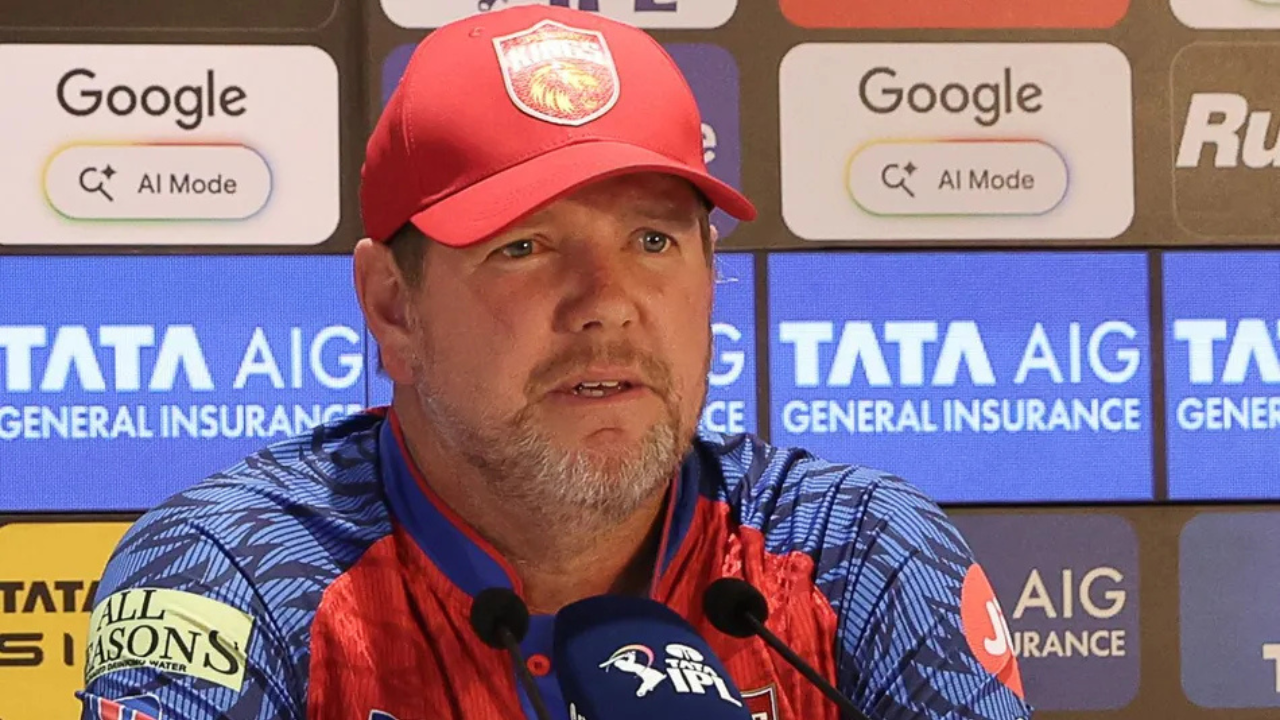
And scrambling they’re. His pedigree isn’t in question. Few know Queensland cricket’s rhythms quite like Hopes. He skippered both the Bulls (to the 2012 Sheffield Shield) and the Brisbane Heat (their inaugural captain, mind you), collecting domestic one-day titles along the way. Since hanging up his boots in 2016, his coaching journey’s been nothing short of global. From Tasmania to the Hobart Hurricanes, through a clutch of T20 franchises overseas—his stint as a bowling coach for the Delhi Capitals and Punjab Kings in the Indian Premier League, a sprawling carnival of cricketing talent and capital, gave him a frontline view of the game’s burgeoning international circuit.
These experiences in mega-leagues like the IPL—a tournament followed religiously by millions across South Asia and the Muslim world—equip coaches with a specific kind of global acumen, a financial savviness alongside tactical expertise that local leagues increasingly covet. His ongoing involvement with the Washington Freedom in Major League Cricket further solidifies that diverse resume. Queensland didn’t just get a coach; they got a guy who’s seen the whole game, from the Big Bash’s domestic intensity to the globe-trotting razzle-dazzle of franchise cricket.
But back in Australia, the domestic stage demands its own brand of generalship. The Big Bash League, last season, drew an average of 468,000 unique viewers per match across free-to-air and subscription television in Australia alone, according to Cricket Australia’s own reporting. That’s a serious audience, a testament to the league’s importance. It’s not just about winning; it’s about spectacle, about brand, about retaining that audience. And that’s exactly what Hopes is walking back into: the pressure cooker, but one where he knows every nook — and cranny.
What This Means
This episode, short-lived as Hopes’ Sydney tenure was, highlights a persistent undercurrent in professional sports management: the delicate balance between professional aspiration and personal loyalty. For the Sixers, it’s a sudden, costly vacancy—a recruitment cycle disrupted, a period of uncertainty. They’ll be forced to reassess, possibly pay more, perhaps even delay their pre-season preparations, all because a hometown offer came calling too late (or too soon, depending on your perspective) for their liking. It’s a blunt lesson in managing expectations, especially when dealing with high-demand individuals with long-standing ties.
For Queensland Cricket — and the Brisbane Heat, however, it’s a coup. They’ve snagged a proven commodity, someone steeped in their culture, with recent international experience to boot. The combined role offers an unprecedented level of influence for Hopes over the state’s entire elite cricketing program. This could translate to a more cohesive strategy across both formats, a streamlined talent pathway from the Bulls to the Heat. But it also concentrates significant power in one individual, an interesting gamble on Hopes’ bandwidth and long-term vision. This unexpected twist isn’t just about a coaching change; it’s a power play, a vivid illustration of how even the most ironclad agreements can bend when ‘home’ throws its hat into the ring. And really, who can blame anyone for going home?