


Malaysia’s Odorous Gambit: How ‘Stink Fruit’ Diplomacy Aims for Global Economic Clout
POLICY WIRE — Kuala Lumpur, Malaysia — In the cutthroat arena of regional economic competition, Malaysia is making a rather pungent wager. While much of the world grapples with shifting geopolitical...

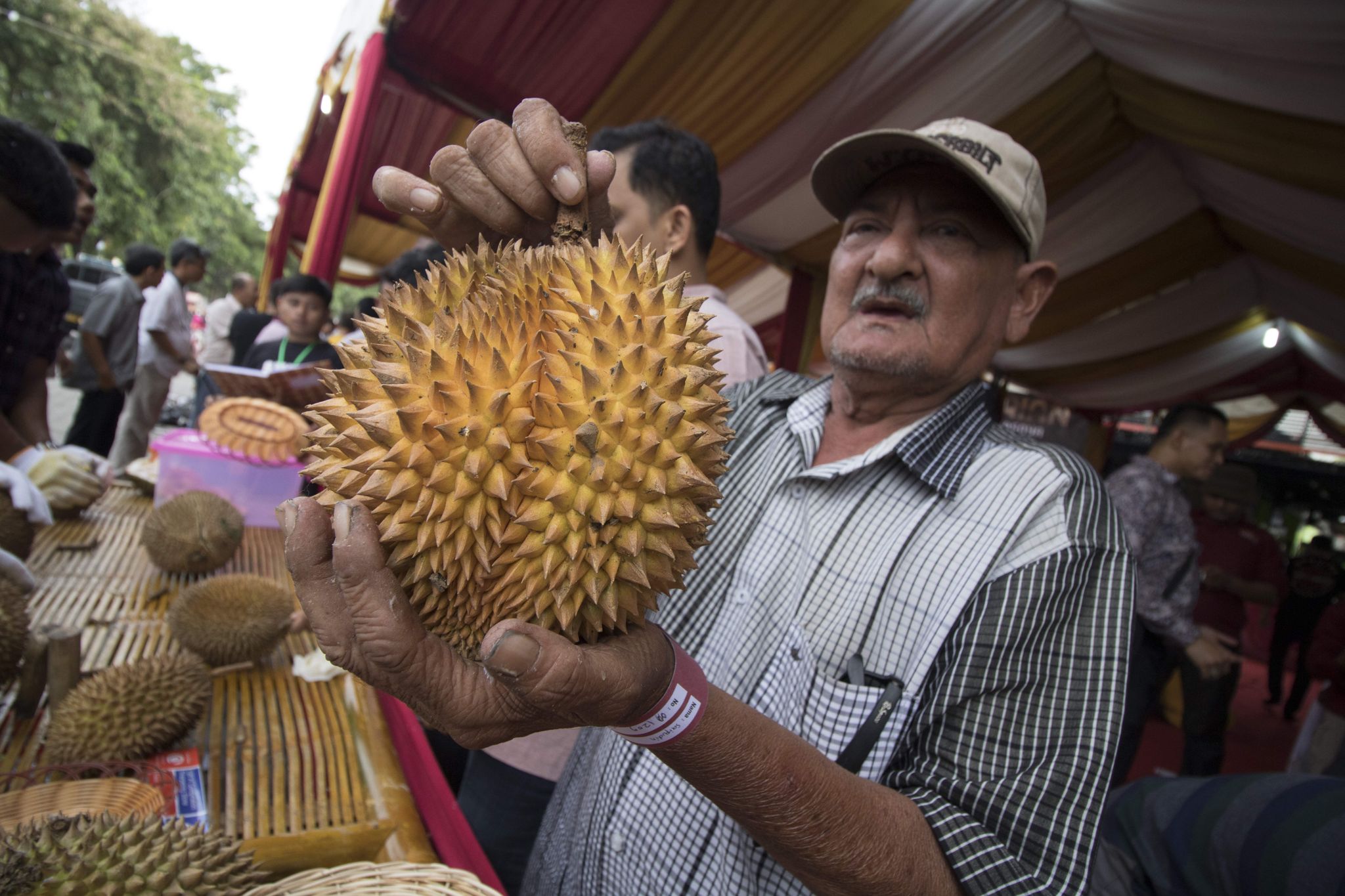
POLICY WIRE — Kuala Lumpur, Malaysia — In the cutthroat arena of regional economic competition, Malaysia is making a rather pungent wager. While much of the world grapples with shifting geopolitical sands and commodity price volatility, Kuala Lumpur has turned its focus inward—specifically, to a spiky, malodorous fruit notorious for its polarizing scent: the durian. A recently unveiled ‘durian experience’ center in the heart of the capital isn’t just a quirky tourist trap; it’s a calculated maneuver, an agricultural gambit wrapped in a fleshy, aromatic package, aimed at solidifying the nation’s economic standing.
It’s easy to dismiss this as mere fruit fetishism. But, scratch beneath the thorny exterior, and you’ll uncover a sophisticated push for agricultural diversification, value-added exports, and, dare I say, gastronomic soft power. Malaysia isn’t simply selling fruit. It’s packaging an identity, marketing an exotic commodity, and (presumably) turning a substantial profit in the process. They’re making a spectacle of what was once just a regional staple. Pretty clever, if you ask me. What they’ve cooked up is less about consumption and more about celebration—an entire institution dedicated to a fruit that many hotels still ban.
“We’re moving beyond raw commodity exports,” asserted Dato’ Seri Shamsul Anuar Nasarah, Malaysia’s Minister for Agri-commodity and Food Security, in a recent policy briefing. “This isn’t just about putting durians on planes; it’s about building a brand, creating a demand that extends far beyond our traditional markets. We’re inviting the world to not just taste, but to immerse themselves in a uniquely Malaysian agricultural phenomenon. And it’s working.” His tone was resolute, punctuated by the kind of bureaucratic optimism familiar to long-term observers of Southeast Asian development strategies. Because, frankly, the market dictates where the growth goes.
And what a market it’s. China’s voracious appetite for Musang King and Black Thorn varieties has transformed the durian from a humble local delicacy into a gold mine. Recent figures from Malaysia’s Department of Agriculture indicate that durian exports generated over US$165 million in 2022 alone, representing a 20% year-on-year increase. That’s a serious chunk of change from a fruit that smells like old socks — and caramel. But, the global market, especially Asia’s burgeoning middle class, sees dollar signs — and gourmet opportunities.
“We can’t just rely on palm oil or electronics forever,” explained Dr. Azri Husni, a prominent economic analyst at the Malaysian Institute of Economic Research. “The durian export strategy, coupled with agri-tourism initiatives like this, represents a genuine effort to diversify our economic base and tap into high-value niche markets. It’s a shrewd play in agricultural diplomacy, positioning Malaysia as the premier source for premium durian varieties globally.” Dr. Husni, often a cautious critic of government policies, seemed genuinely impressed by the sector’s trajectory. But, of course, competition is fierce, particularly from Thailand, which has long dominated the durian export game.
This pursuit of durian dominance doesn’t happen in a vacuum. It slots neatly into a broader regional economic narrative. Other Muslim-majority nations, particularly within South Asia — and the Middle East, are observing Kuala Lumpur’s play. Countries like Pakistan, for instance, are also grappling with how to maximize agricultural yield, navigate complex export logistics, and add value to their primary products. The durian experience serves as an interesting case study, demonstrating how a specialized agricultural product, when marketed effectively and supported by robust policy, can become an unlikely engine of growth and national identity. It offers a blueprint for how a country can leverage unique resources for economic benefit and, potentially, even foster cultural exchange through culinary adventures.
What This Means
The durian boom, personified by Kuala Lumpur’s sensory ‘experience,’ carries significant economic and political undertones. Economically, it signifies Malaysia’s aggressive push into high-value agricultural exports, reducing its dependency on traditional commodities and positioning itself in a lucrative global food market increasingly shaped by Asian demand. This move generates rural wealth, bolsters branding efforts, — and attracts a niche segment of tourism. It’s smart, plain and simple.
Politically, the initiative is a form of soft power projection. By championing a unique cultural food, Malaysia aims to enhance its global image and differentiate itself from regional competitors—hello, Thailand and Indonesia—who are also vying for supremacy in the durian trade. And it creates linkages, too, building upon Malaysia’s status as a key player in the Muslim world, perhaps opening doors for agricultural cooperation and trade partnerships with nations seeking to replicate aspects of this success. This focus on specific agricultural sectors highlights a strategy for resilient economic development in the face of broader global economic challenges, a sort of specialized diversification. It’s a model that could be replicated by other nations looking to elevate their distinct produce. Look at what they’ve done for the G7’s efforts on China’s economic challenges or Australia’s agricultural dilemmas; sometimes, the simplest solutions emerge from the most unlikely places. Here, it’s a stinky fruit, folks. But it works.