


Ohio State’s Billion-Dollar Football Dream: A Blueprint for Gridiron Supremacy, or Folly?
POLICY WIRE — COLUMBUS, Ohio — It’s an arena where dreams are drafted and fortunes won, but it also reflects an escalating economic arms race threatening to redraw the very...

POLICY WIRE — COLUMBUS, Ohio — It’s an arena where dreams are drafted and fortunes won, but it also reflects an escalating economic arms race threatening to redraw the very landscape of American higher education. Here in the heartland, The Ohio State University isn’t just planning another stadium refresh; it’s embarking on a financial offensive — a projected half-billion-dollar athletic budget — that would make some developing nations blush, all while eyeing a monumental overhaul of its famed football facilities.
And no, this isn’t about just patching up leaky roofs. We’re talking about an opulent vision for the Woody Hayes Athletic Center, and eventually, the iconic Ohio Stadium itself. Think of it as a gleaming, state-of-the-art fortress designed not merely to train athletes, but to lure them — because that, friends, is the game now.
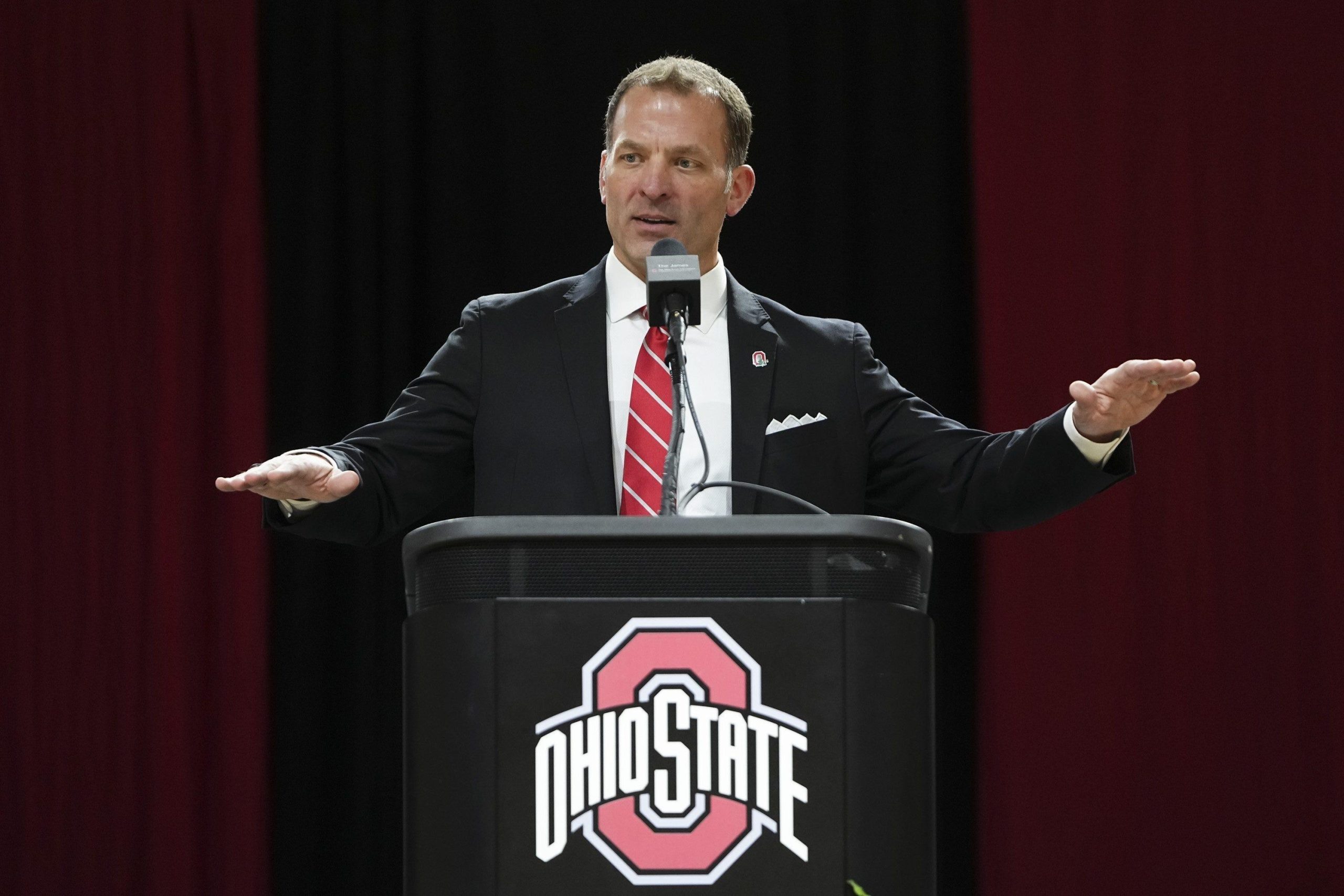
Ross Bjork, the university’s fresh-faced Athletic Director, has thrown down the gauntlet. He’s been here less than a year, but his tenure is already marked by grand designs. “We’ve raised some significant capital, sure,” Bjork told Policy Wire recently, his voice resonating with an executive’s calm certainty, “but getting this project fully funded will demand an almost singular focus on visibility. We aren’t just building facilities; we’re solidifying our competitive advantage for the next generation.” He puts groundbreaking on the Woody Hayes revamp still about 18 months off. That’s an eternity in recruiting, but a blink in construction.
But how much money are we really talking about? Bjork isn’t shy. He’s publicly projected a mind-boggling $500 million athletic budget for Ohio State, ‘very soon.’ To put that into perspective, according to a recent report by Navigate Consulting, the average annual athletic budget for a Power Five conference university sits around $165 million — less than a third of what OSU anticipates. This isn’t just big; it’s tectonic.
Because, you see, the pursuit of gridiron glory now carries a price tag once reserved for national defense budgets or multinational mergers. It’s no longer just about trophies. It’s about prestige, enrollment, alumni donations, and a university’s brand in an ever-more competitive global marketplace.
This spending spree isn’t just a Midwestern anomaly. It’s a trend echoing across the United States, creating an infrastructure arms race in college sports that leaves smaller programs in the dust and begs a larger question about resource allocation in society. Back in places like Pakistan, for instance, conversations often revolve around investing in basic infrastructure — hospitals, schools, clean water projects — yet here, elite athletic departments command budgets that rival those nations’ entire annual development spending. It really makes you wonder about differing national priorities, doesn’t it?
“We’re witnessing a financial feedback loop in college sports,” explains Dr. Anya Sharma, a veteran sports economist who advises several European athletic bodies. “The pressure to recruit top talent pushes spending. That spending generates revenue — from media deals, endorsements, donations — which then fuels more spending. It’s a treadmill of escalating luxury, but there’s only so much oxygen at the top, and not every institution can afford this kind of air.” It’s a high-stakes gamble, even for institutions with deep pockets.
What This Means
The relentless pursuit of athletic supremacy, symbolized by Ohio State’s lavish facility plans, carries profound implications far beyond the football field. Economically, it entrenches a two-tiered system in collegiate athletics, making it incredibly tough for non-elite programs to compete. Small institutions, struggling with enrollment or dwindling endowments, simply can’t play ball in this financial league. Politically, the optics are always delicate. As tuition costs climb and student loan debt becomes a generational millstone, questions naturally arise about whether such massive expenditures on sports align with the core educational mission of a public university. Think of the outrage if that half-billion were proposed for, say, a humanities building. Or medical research. Or — — and this is a particularly acute point — significantly reduced tuition. It highlights a strange paradox where donor priorities often align with perceived institutional glory rather than pedagogical necessity. We saw this pushback with various European sports clubs and their infrastructure projects, often deemed ‘vanity projects’ while public services struggled. It’s a tension that isn’t going away soon.
The cultural impact, too, is noteworthy. It fosters an expectation of unparalleled amenities for student-athletes, further blurring the lines between amateurism and professionalized training. This isn’t just about winning games anymore; it’s about projecting an image of unrivaled institutional capability — a sophisticated branding exercise played out on a field, and funded by a truly eye-watering amount of cash.
As Ohio State pushes ahead, its moves will be watched closely, not just by rivals in the Big Ten, but by economists, policy makers, and international observers curious about America’s peculiar fixation with collegiate spectacle. It really challenges the old notions of what defines an institution’s value, doesn’t it? Whether this colossal investment secures perennial championships or becomes a cautionary tale — only time, and perhaps a few more billion-dollar budgets, will tell. And perhaps, whether global priorities really align with such endeavors.