

Europe’s Silent Power Play: Heat Pumps Redraw Global Energy Map
POLICY WIRE — Brussels, Belgium — Not with a bang, but with the subtle hum of countless electric motors, Europe is reshaping its energy future. We’re not talking about some grand pronouncement...

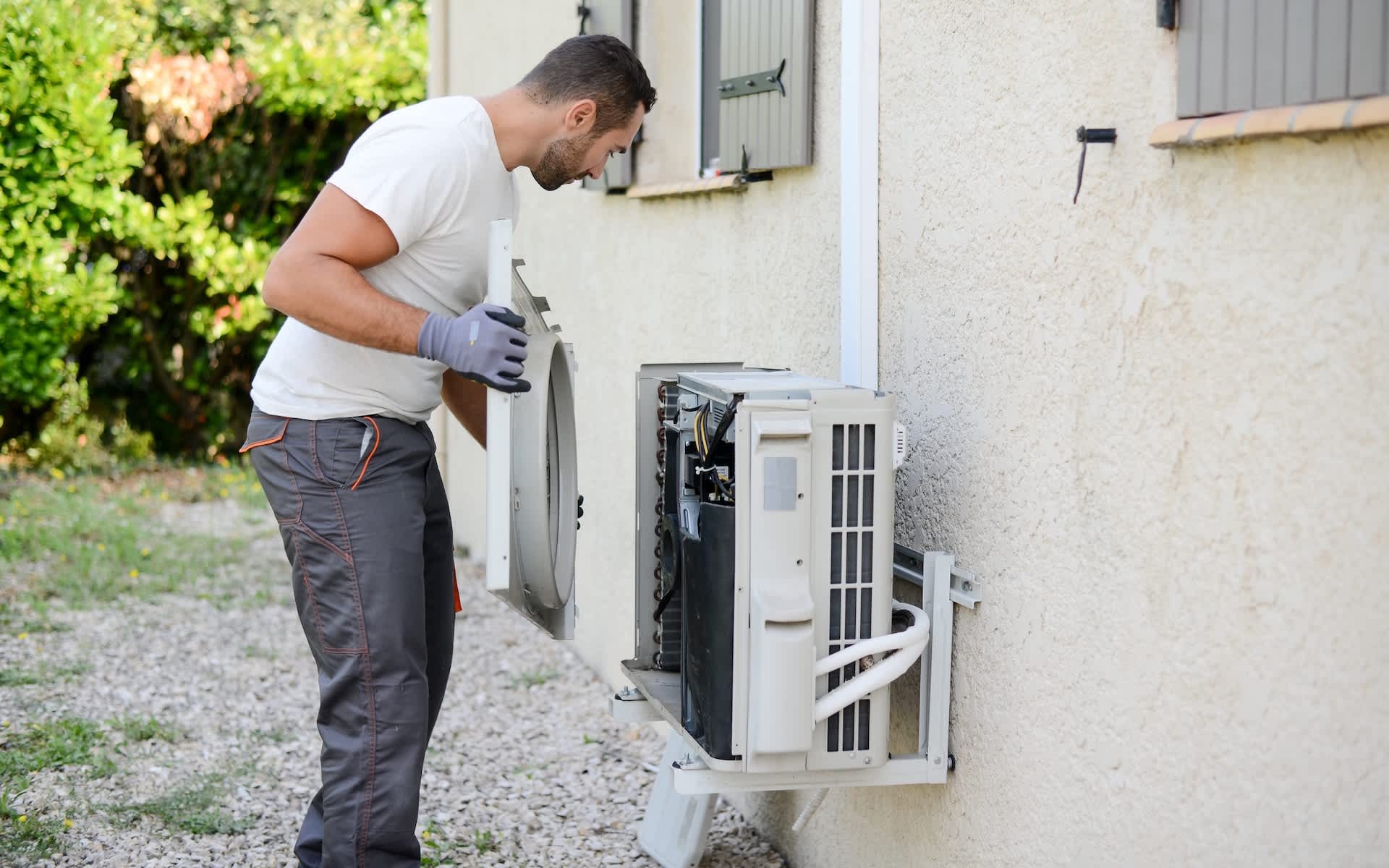
POLICY WIRE — Brussels, Belgium — Not with a bang, but with the subtle hum of countless electric motors, Europe is reshaping its energy future. We’re not talking about some grand pronouncement from an international summit. We’re talking about heat pumps—those unassuming boxes quietly swapping ambient warmth for domestic comfort. This wasn’t some grand utopian scheme cooked up during tranquil times, but rather a pragmatic, almost desperate scramble for stability in the face of geopolitical tremors. And now, the Continent’s quiet commitment has already achieved an astounding feat.
It turns out this rather unglamorous technology is punching far above its weight. The collective impact of Europe’s heat pump revolution currently equates to the thermal output that would otherwise demand 200 fully loaded liquefied natural gas (LNG) tankers, as per recent industry analyses by a leading energy market intelligence firm. That’s a staggering figure, suggesting a massive shift in supply-side dynamics. We’re talking about literal shiploads of fuel that Europe simply isn’t importing, easing demand and, quite handily, tightening its purse strings.
Because, well, every dollar counts, especially when an energy crisis is kicking your economy in the teeth. This operational shift, analysts calculate, has spared European coffers over $11 billion. Eleven billion dollars, give or take a few million, saved simply by making a smarter choice about heating and cooling homes and businesses. It’s a massive, quantifiable win for household budgets — and national treasuries alike. And that figure, you know, it’s not small change.
The journey wasn’t exactly smooth. Following the invasion of Ukraine and the subsequent throttling of gas supplies from Russia, Europe found itself scrambling, exposed and vulnerable. Panic buying, supply chain headaches, and the looming specter of a bitterly cold winter fueled unprecedented adoption rates for alternative heating solutions. What was once a niche technology—cleaner, sure, but often deemed too costly upfront—suddenly became a practical, even patriotic, necessity. Countries like Poland and Germany, usually tied to their industrial strengths, have become major players in this transition. And their residents seem okay with it. They’ve found a way to turn an immense challenge into genuine opportunity.
This rapid deployment wasn’t just about saving cash or reducing dependence on an unreliable supplier; it was—is—about recalibrating entire economic and diplomatic postures. We’ve watched Europe pivot from gas pipelines to diverse energy portfolios with startling speed. The continent’s leaders found themselves saying, [QUOTE_PLACEHOLDER], understanding that energy security wasn’t just a talking point, but an existential concern. It was a clear demonstration that innovation, even incremental adoption on a massive scale, could genuinely provide answers to really big questions. You just gotta get off your duff — and implement it.
But the reverberations aren’t confined to continental Europe, not by a long shot. Reduced demand for LNG in one of the world’s largest consumer blocs sends ripples through global markets. Countries in South Asia, for instance, particularly those heavily reliant on imported LNG for electricity generation and industrial activity, feel every twitch in pricing and availability. Pakistan, already grappling with an economic tightrope walk and chronic energy deficits, often bids for LNG in the spot market against a now less ravenous Europe. While lower spot prices could offer a momentary respite to the struggling nation’s budget, they also mean less incentive for large-scale, long-term supply commitments that bring much-needed stability to nations always just one payment away from dark cities.
This new energy calculus might subtly —or not so subtly— alter how countries like Qatar, a massive LNG exporter and influential player in the Muslim world, calibrate their sales strategies and political alignments. They’re suddenly facing a client who’s discovered a knack for doing without. And let’s not forget the long-term impact on global decarbonization efforts; Europe’s experience provides a template, a lived example, for how other regions could achieve greater energy independence and cleaner air simultaneously, all while navigating their own tricky geopolitics.
What This Means
This isn’t merely an engineering success story; it’s a profound shift in geopolitical leverage. Europe isn’t just saving money; it’s quietly disarming one of Russia’s most potent economic weapons—its grip on the continent’s heating fuel. The psychological effect of knowing you can heat your homes without bowing to external pressures is a powerful one, enabling greater assertiveness in foreign policy. But it also creates winners — and losers far beyond European borders.
For resource-poor, import-dependent nations like Pakistan, it’s a mixed bag. The immediate drop in global spot LNG prices due to reduced European demand can certainly ease financial strain, perhaps allowing for cheaper imports. That could buy precious time for their fragile economies. Yet, simultaneously, it diminishes the urgency for larger-scale investment in new global LNG production capacity, potentially creating a tighter market if and when demand rebounds elsewhere. It forces a tough conversation: ride the immediate market fluctuations, or accelerate their own transitions to indigenous, renewable energy, bypassing imported fossil fuels altogether. Policy makers across South Asia, you see, they’re watching this European play closely, measuring its risks and its quiet, electric rewards. It’s a wake-up call, really, to diversify away from global market volatility. And that means a greener, if bumpier, road ahead for everyone involved. Sometimes, necessity just gets you where you need to be.