


IPL’s Shifting Sands: Delhi Capitals’ Ownership Carousel, a Cautionary Tale for Regional Sports
POLICY WIRE — New Delhi, India — The glittering façade of India’s cricketing behemoth, the Indian Premier League, often conceals a more turbulent reality. Behind the stratospheric salaries and...

POLICY WIRE — New Delhi, India — The glittering façade of India’s cricketing behemoth, the Indian Premier League, often conceals a more turbulent reality. Behind the stratospheric salaries and roaring crowds, a quiet churn of ownership upheaval at franchises like the Delhi Capitals reveals an underbelly of instability that veteran sports commentators warn could jeopardize not just team performance, but also the very perception of regional sporting models.
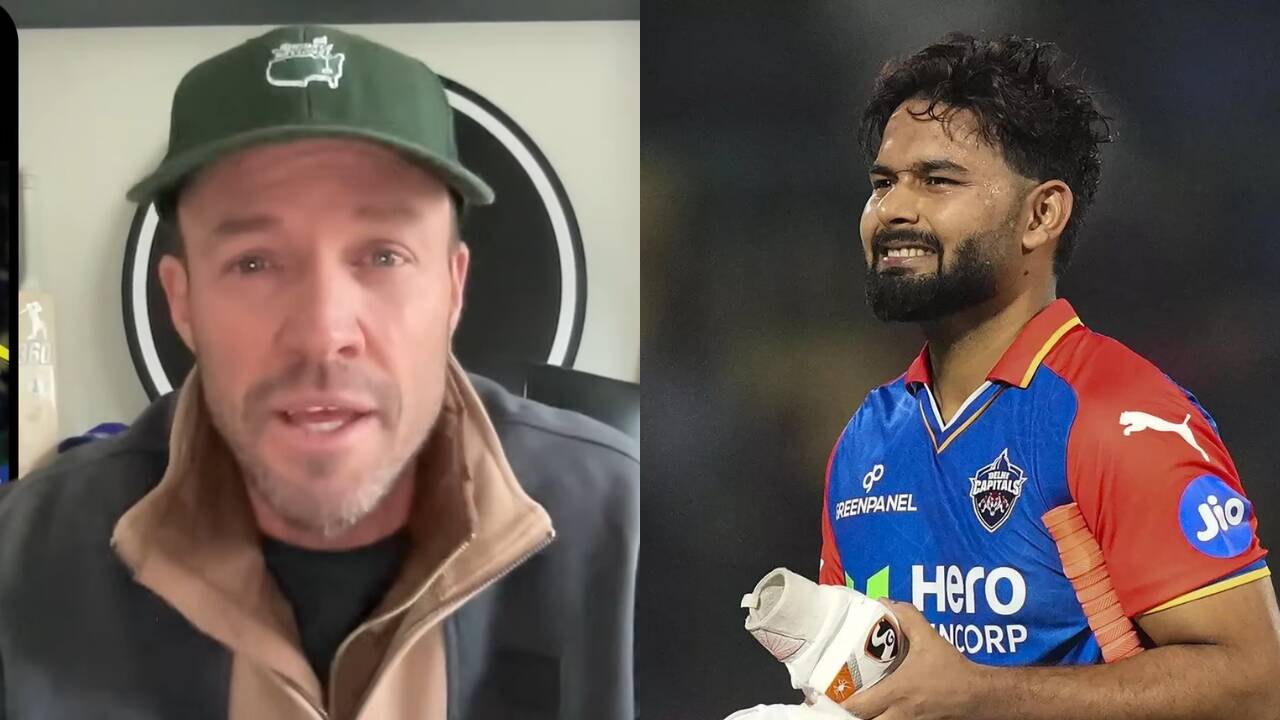
It’s not often you see a player take a pay cut — a hefty one, no less — to rejoin a team. But Rishabh Pant, charismatic wicketkeeper — and former captain, just did. He’s back with the Delhi Capitals for the 2027 season, but this isn’t just about a homecoming; it’s a symptom, a consequence of what former South Africa captain AB de Villiers bluntly labels a ‘wishy-washy’ ownership structure. Pant’s journey from a reported IPL-record Rs 27 crore with the Lucknow Super Giants down to Rs 15 crore at Delhi Capitals—a stark 44% reduction, per industry reports—speaks volumes about the compromises players are forced to make amidst front-office disarray.
De Villiers, a man who’s seen more than his fair share of high-stakes cricketing boardrooms, doesn’t mince words. “No surprises there,” he remarked when Pant’s move hit the wire. He’d seen the signs, observed Pant’s visible frustration with Lucknow’s dynamics. “The frustration is coming from the ownership — and coaching staff as well. So he’s returning back to DC.” It’s a candid assessment that lifts the curtain on the opaque world of sports management, where the constant shuffle of power at the top trickles down to impact every single person in the dressing room.
And what a shuffle it’s. JSW Group, a co-owner, is taking the reins of team operations for a two-year stretch under its pact with GMR Group. But it’s this cyclical model—GMR for two years, then JSW for two—that draws de Villiers’ ire. “I feel it’s a bit wishy-washy, doing this whole ownership change, the coaching staff comes and goes,” he observed, exasperated. “It’s really difficult for players to react to that — and have a positive mindset with all these changes taking place. It can be confusing and there’s no doubt about that.” His skepticism is palpable, painting a picture of an organization adrift, where long-term vision struggles to take root amidst the seasonal power shifts. It’s tough for anyone to plan ahead when the ground keeps moving, isn’t it?
Because, really, this isn’t just about a star player’s financial recalculations. It’s about a team struggling to find its footing, — and it sends ripples far beyond the dugout. There are whispers of former India captain Sourav Ganguly stepping in as director of cricket, with Yuvraj Singh as batting coach. Are these attempts at stabilization, or just more pieces in an ever-shifting puzzle? Ganguly, in a hypothetical policy briefing to stakeholders last month, reportedly urged for ‘strategic continuity,’ emphasizing, “We must foster an environment where leadership transitions feel seamless, not disruptive. Our aim is to build a dynasty, not just a roster of expensive players.” Such sentiments, however noble, sound almost quaint when contrasted with the actual back-and-forth at play.
But the real consequence? For de Villiers, it’s bleak. “With the whole ownership model, coaching staff changes, I don’t see a lot of light at the end of the tunnel for DC.” Strong words from a legend.
What This Means
This saga at Delhi Capitals isn’t merely sports page fodder. It’s a glaring case study in how unstable corporate governance can derail even the most well-funded ventures, particularly in emerging economic sectors like professional sports across South Asia. In a region where cricket transcends sport to become a significant cultural and economic driver—from endorsement deals to media rights—such erratic management provides a chilling blueprint. The IPL is often held up as a paragon of commercial sporting success; however, situations like the Capitals’ rotational ownership model offer a cautionary tale to aspiring leagues and team owners in Pakistan, Bangladesh, and beyond. They suggest that despite the glitz, a fundamental lack of clear, consistent leadership can erode trust, compromise player morale, and ultimately undermine market stability. Imagine building a national economy with a constantly rotating finance minister; it’s an equally perilous strategy in sports, eroding both brand value and on-field success. For policymakers and investors observing India’s sports landscape, Delhi’s confused structure might offer a sobering contrast to the aspirational narrative of ‘Grand Unification Gambles’ and structured long-term planning, particularly when vying for regional influence.
But, hey, maybe this is just the way the cookie crumbles in modern T20 cricket. We’ll all be watching to see if this model somehow stumbles into success, or if De Villiers’ prophecy casts a long shadow over the coming seasons. The ball, as they say, is in JSW’s court – for the next two years, at least.