

Sydney’s Unseen Jaws: Coastal Lulls, Policy Jitters, and a Broader Global Current
POLICY WIRE — Sydney, Australia — The Australian summer, typically a sun-drenched idyll of surf and sand, now contends with an unsettling new rhythm. It isn’t the relentless heat or the...

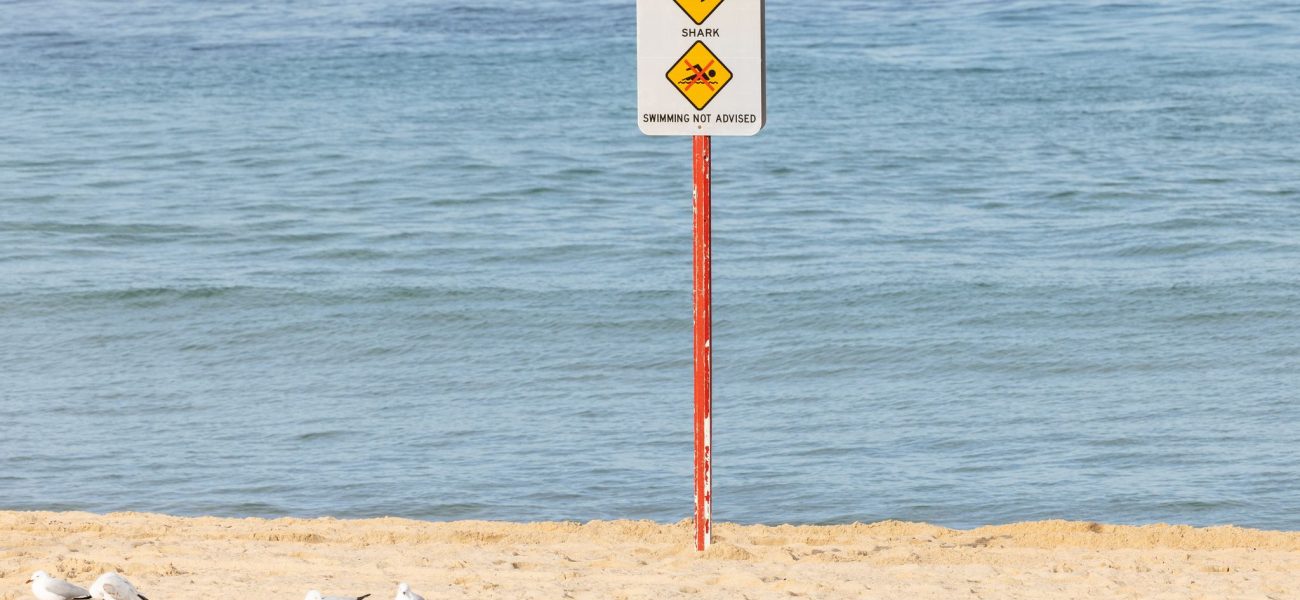
POLICY WIRE — Sydney, Australia — The Australian summer, typically a sun-drenched idyll of surf and sand, now contends with an unsettling new rhythm. It isn’t the relentless heat or the familiar cacophony of holidaymakers setting the beat; it’s the unnerving, almost routine, blare of shark alerts across Sydney’s iconic beaches. Four days now, they’ve persisted. Four straight days of official warnings, of yellow flags fluttering uneasily, of sun-baked expanses momentarily devoid of their usual throngs—a testament to a persistent, unseen menace beneath the waves. You’d think the novelty would wear off, but the primal fear—that ancient unease—it’s always fresh, isn’t it?
It’s more than just a localized wildlife management hiccup. This stretched period of apprehension in one of the world’s most Instagrammable cities shines a harsh, fluorescent light on modern society’s increasingly delicate dance with the wild. Here’s a metropolis, thoroughly urbanized, a sprawling concrete jungle bordered by breathtaking, yet untamed, ocean. We’ve mapped the streets, quantified the commerce, even air-conditioned our anxieties. But the ocean? She still holds her cards close. [QUOTE_PLACEHOLDER]
The immediate fallout is clear: beach closures, surf restrictions, drone surveillance buzzing overhead like impatient, robotic sentinels. For many local businesses—the ice cream vendors, the surf schools, the beachfront cafes—it’s a sudden, sharp downturn. Weekends that ought to be bustling, packed to the gills with local families and international tourists alike, are now met with an eerie quietude. One can almost hear the cash registers sighing.
And consider the sheer scale of the disruption. Sydney’s coast isn’t some obscure patch of coastline; it’s a global draw. Tourists often make Sydney their first, sometimes only, port of call in Australia. Imagine flying halfway across the world, anticipating that iconic Bondi surf, only to find the waves cordoned off, patrolled by authorities worried about what lies beneath. It’s a perception problem, too, for a nation that sells itself, in part, on its pristine, accessible nature. When nature bites back, the glossy brochures suddenly seem a little… less convincing.
But the irony, the subtle sting, is that for all the advanced surveillance and instant communications, the response often feels almost quaintly low-tech—beach closures, flags, a helicopter squinting for shadows. We’ve launched satellites, created AI, even edited human genomes, yet the most effective countermeasure for a lurking shark remains the most basic: don’t get in the water. That simple, stark directive, it strips away the veneer of human control over the wild, reminding us that there are still domains where ancient instincts, not algorithmic predictions, hold sway.
The prolonged alerts also poke at the robust confidence a developed nation like Australia typically exhibits in its capacity for crisis management. It’s one thing to handle a bushfire; they’re destructive, terrifying, but they conform to certain patterns. Sharks? They’re as unpredictable as they’re ancient, offering no tidy solutions. It’s an exercise in continuous vigilance, an exhausting, indefinite commitment, that tests resources and public patience alike.
Compare this, for a moment, to situations further afield—say, the fishing communities dotting Pakistan’s Makran Coast or the densely populated urban beaches near Karachi. There, human-wildlife encounters are often less about leisure — and more about livelihood. For many Pakistani coastal communities, a shifting marine ecosystem, altered by climate change, pollution, or changes in migratory patterns, isn’t an inconvenience; it’s an existential threat to food security and economic stability. Their warnings, when they come, aren’t always delivered by drone, but by the generational knowledge passed down through fishermen whose very survival depends on reading the nuanced language of the sea. They’re less likely to have the luxury of shutting down an entire coast for days on end, if only because for many, the sea is the only grocery store they know.
📄 POLICY WIRE WHITEPAPER PUBLISHED: PAKISTAN'S NATIONAL SECURITY POLICY PRIORITIES
👉 READ BY CLICKING HEREA 2021 study by the University of Sydney, for instance, indicated that coastal tourism contributes nearly AUD$60 billion to the national economy annually. Any sustained disruption to a high-profile asset like Sydney’s beaches isn’t just about a few lost ice cream sales; it reverberates, however subtly, through an economy built on visitor experience and pristine outdoor leisure.
And because these sightings continue, public perception morphs. Initially, it’s alarm. Then it’s annoyance. Finally, it risks settling into a grudging acceptance of a new, less predictable normal. How do you plan for that, for an ongoing threat that resists neat classification — and definitive solution? You can’t exactly negotiate terms with a great white. You just wait—and worry—which isn’t exactly a growth strategy.
What This Means
This isn’t just a fleeting news item about toothy fish; it’s a bellwether, perhaps, for how advanced societies grapple with environmental unpredictability in an age of rising global temperatures and shifting ecosystems. For Australia, it signals a deeper dive into integrated coastal management, likely accelerating discussions around sustainable tourism, better public communication protocols for sustained environmental threats, and potentially, further investment in non-lethal deterrents. Economically, while a few days of closure might seem trivial in the grand scheme, it sends a clear signal about the fragility of economies overly reliant on a singular natural resource, in this case, pristine coastlines. If Sydney—a city of immense resources—struggles with a protracted, low-level environmental disruption, what does that say for smaller, less-resourced coastal economies in South Asia facing similar, or even graver, challenges?
From a political standpoint, managing public anxiety without appearing heavy-handed or dismissive will be key. Citizens expect action, — and the absence of a simple solution can often be mistaken for inaction. It’s a tricky balance to strike, especially when the threat is elusive and the costs of absolute safety are impossibly high. This prolonged state of alert highlights how modern urban policies must increasingly account for nature’s wild card, even in its most established, domesticated corners. It’s a policy challenge with very sharp edges—and an invisible fin. The message is clear: even in paradise, you’re never truly off the hook.