


Seattle’s Silent Exodus: Middle Class Unravels as Economic ‘Survival Mode’ Grips Tech Heartland
POLICY WIRE — Seattle, USA — The coffee shop on the corner used to buzz with teachers, small business owners, and local government folks grabbing their morning joe. Now? It’s all tech bros —...

POLICY WIRE — Seattle, USA — The coffee shop on the corner used to buzz with teachers, small business owners, and local government folks grabbing their morning joe. Now? It’s all tech bros — and algorithms, with nary a familiar face. It’s a small thing, sure, but it marks a much larger, insidious shift, a slow-motion unraveling of the very social fabric that once anchored this glittering Pacific Northwest city.
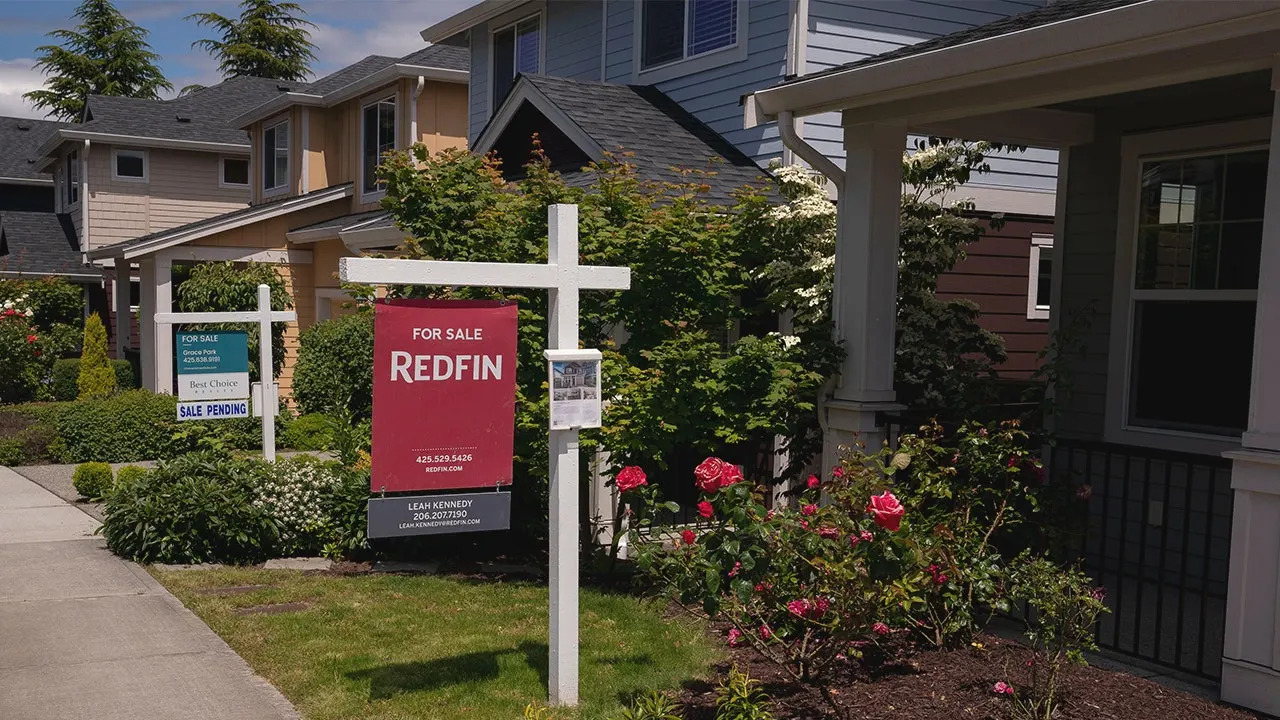
It isn’t merely about high home prices here in Seattle, though those are, let’s be frank, obscene. It’s about a deep, existential dread permeating daily life. Locals aren’t just feeling the pinch; they’re claiming they’re in ‘survival mode,’ a chilling declaration that paints a vivid picture of a once-thriving middle class fighting for oxygen in an economic centrifuge. People are, in no uncertain terms, ‘selling homes’ to escape the relentless squeeze.
This isn’t a phenomenon limited to some far-flung, economically unstable region. It’s happening right here, where gleaming tech towers scrape the clouds, where some of the world’s wealthiest individuals make their billions. What’s truly galling, and it’s quite an observation, is that a place generating so much wealth simultaneously creates such acute precarity for its everyday citizens. The average monthly mortgage payment in King County surged by over 40% in the last three years, according to data from the Northwest Multiple Listing Service, pushing affordability well beyond the reach of those without venture capital backing.
It’s not just the property values, you understand. The entire cost of living index — everything from groceries to childcare — dances to the beat of an economy swollen by hyper-concentrated wealth. Long-term residents, those who helped build this city, they’re being displaced. They’re seeking refuge in distant exurbs, turning what was once a 20-minute commute into a two-hour odyssey. They’re trading community for acreage, and, let’s be honest, it’s a hell of a trade. The civic engagement, the local networks, the casual mentorships that organically build a vibrant urban environment—they’re just fading away, pushed out by a market that prioritens only the highest bidder. And who can blame them for looking elsewhere?
Think about the domino effect. When teachers, firefighters, — and nurses can’t afford to live where they work, what then? Services begin to buckle. Quality of life diminishes, not just for the displaced but for those who remain, surrounded by an increasingly homogeneous population. There’s a subtle irony, too: the same innovations driving this rapid economic growth also enable a remote workforce, creating a weird feedback loop. People don’t even have to live in Seattle to earn Seattle wages anymore, yet their presence (or the capital their companies bring) still warps the local housing market for everyone else. It’s a paradox—wealth that devours its own foundational components.
And this isn’t just some insulated Pacific Northwest woe. Across the globe, from the booming megacities of the Gulf to the tech hubs of India and Pakistan, similar patterns emerge. Wealth concentrates, often fueled by global capital flows or particular industries—oil, tech, finance—and suddenly, the local middle class finds itself pricing out of existence. It forces families to reconsider their entire trajectory, makes folks wonder if a life built on solid work and steady income is even viable in these new economic paradigms. For a Pakistani family whose son or daughter found success in Seattle’s tech scene, perhaps investing back home in Lahore, these Seattle struggles could feel strangely familiar—the relentless climb, the constant feeling of running to stand still. They too might experience a kind of ‘survival mode’ if their remittances or investments are outpaced by local inflation or asset bubbles.
But the local impacts are immediate. Kids who’ve grown up here, they don’t see a future here. Small businesses that rely on a diverse local clientele find their customer base dwindling. It’s not just houses that are being sold; it’s a lifestyle, a collective dream of upward mobility and stability, that’s being put on the market. One longtime resident, facing an impossible choice, told an outlet that it felt like an ‘impossible choice’ [QUOTE_PLACEHOLDER].
What This Means
Politically, this kind of sustained economic pressure on the middle class usually culminates in one of two ways: either an explosion of grassroots activism demanding policy interventions—think stringent rent controls, massive public housing initiatives, or radical property tax reforms—or, more pessimistically, a steady erosion of civic engagement as residents, exhausted by the grind, simply leave. For Seattle, it implies a further entrenchment of a bifurcated society: the very wealthy and those providing essential, often low-wage, services, with a gaping chasm where the middle once thrived. Economically, we’re likely to see increased brain drain if these trends continue, losing valuable human capital that the city needs to sustain its broader economy beyond its tech giants. The question policymakers aren’t quite answering is this: how do you foster growth without actively cannibalizing the population meant to benefit from it? The global implication is stark, too; if places like Seattle, with immense resources, can’t protect their middle class, what hope do burgeoning economies in developing nations have against similar market forces? The struggle for housing affordability is becoming a unifying lament across diverse economic landscapes, from Redmond to Rawalpindi. This isn’t just about market dynamics anymore; it’s about social justice, urban planning failures, and the brutal calculus of hyper-capitalism when left unchecked, threatening the very essence of urban diversity and resilience. You see it, sometimes, in stories like this crumbling wall of discourse, where societal stresses boil over into other aspects of life.
Don’t be mistaken, this isn’t a uniquely American ailment. Many global cities—Vancouver, London, Sydney, Singapore—grapple with similar forces, but Seattle offers a particularly acute case study, a cautionary tale, if you will, of prosperity’s dark shadow. It’s time for some difficult conversations, and probably some even tougher decisions, about what kind of cities we really want to build. Maybe street-level friction starts much earlier, with the price of a modest home.