


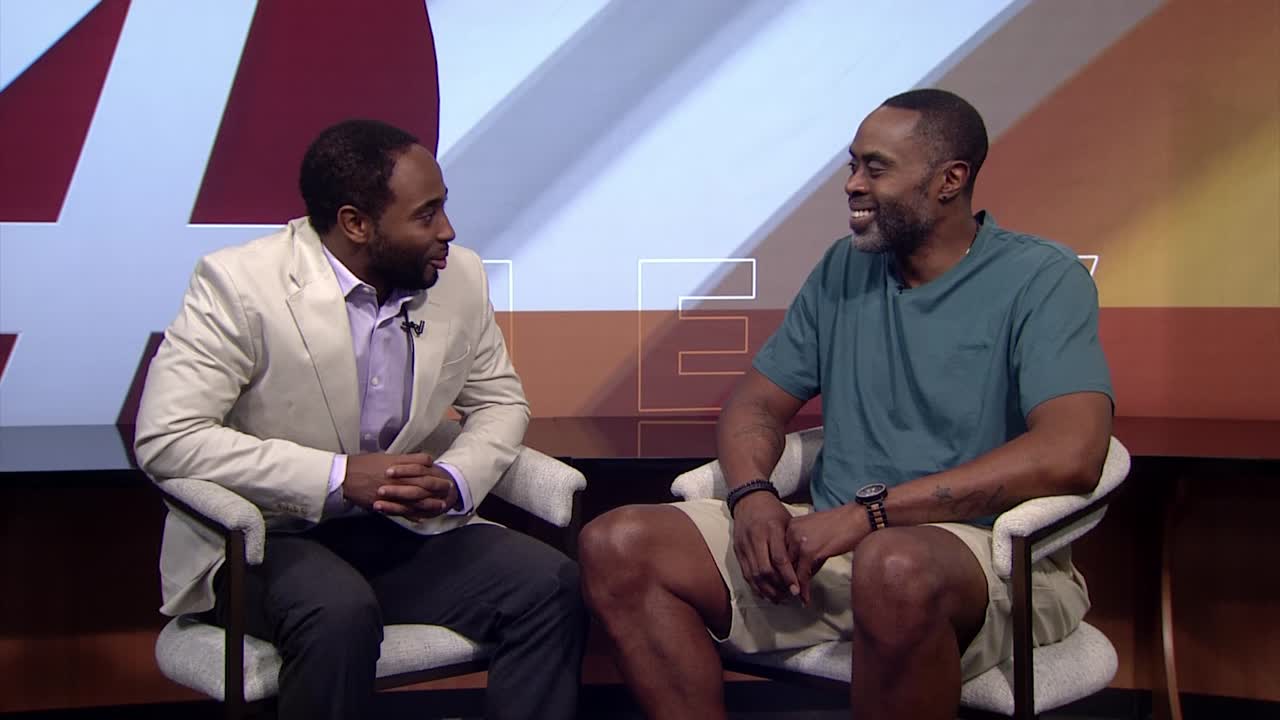
Hoops and Hard Truths: NBA Veteran’s Return Ignites New Mexico’s Forgotten Aspirations
POLICY WIRE — ALBUQUERQUE, N.M. — A dusty court in Albuquerque, New Mexico, hardly seems the battleground for America’s broader economic anxieties. But here we’re. When NBA veteran Kenny Thomas...

POLICY WIRE — ALBUQUERQUE, N.M. — A dusty court in Albuquerque, New Mexico, hardly seems the battleground for America’s broader economic anxieties. But here we’re. When NBA veteran Kenny Thomas – a man who once shared hardwood with giants and tasted the bitter reality of salary caps – straps on a clipboard to coach ‘The Enchantment’ in The Basketball Tournament, it’s more than just a sports footnote. It’s a parable. A gritty, low-stakes allegory for regional identity, deferred economic hope, and the persistent draw of hometown glory, no matter how humble.
Thomas isn’t leading the Lakers or even a G-League contender. He’s shepherding a regional team, composed mostly of former collegiate stars and local heroes, into a best-of-three series against the ominously named ‘AfterShocks.’ For anyone paying close attention, this isn’t just about hoops. It’s about what happens when the bright lights fade, and local communities, often overlooked, attempt to reclaim a slice of national relevance—even if it’s only via a summer bracket tournament. It’s an interesting tableau, really.
“We’ve invested in community programs that bring people together, and sport, believe it or not, plays a substantial role in that,” offered Albuquerque City Councilwoman Felicia Montoya, a seasoned political operator, speaking earlier this week. “Kenny coming home? That generates buzz. That shows our kids that success can come back. It’s not just a drain of talent out of the state.” She’s got a point. But whether that buzz translates into anything beyond ephemeral ticket sales, that’s another matter entirely. These smaller, almost ‘minor league’ circuits often mirror the broader macro-economic micro-cosms, where dreams collide with financial constraints and fleeting attention.
And let’s be honest: New Mexico, much like other states clinging to the margins of mainstream perception, often struggles for attention. This isn’t just a U.S. phenomenon, either. We see similar dynamics play out globally. Consider the talent outflow from parts of Pakistan or other South Asian nations – brilliant minds, skilled hands, often seeking opportunities abroad simply because the local ecosystem struggles to provide. They don’t just leave for better pay; they often leave for the chance to play on a bigger stage, to matter in a way their home turf struggles to enable.
Thomas’s presence, while undeniably drawing local fanfare, highlights a subtle desperation, too. An almost visceral need for a figure, any figure, who has seen the national stage and chosen—or been compelled—to return. It’s a mirror, albeit a cracked one, of how even modest victories on a public platform can generate disproportionate civic pride, or at least a temporary distraction from more mundane municipal woes.
“Having a player of Kenny’s caliber—a man who spent twelve seasons in the NBA, a professional at the pinnacle of his sport—returning to coach a local team… it injects a dose of much-needed energy into our regional sports economy,” asserted New Mexico Governor Michelle Lujan Grisham, through a spokesperson, acknowledging the human capital investment. “It tells a story of local strength, a narrative we’re always keen to promote, especially for the younger generation watching closely.”
Because ultimately, these tournaments are often funded by local businesses, relying on community engagement and an earnest hope for exposure. It’s less about a grand political agenda — and more about very localized politics of optics and enthusiasm. According to a 2023 report by the New Mexico Department of Tourism, sports tourism accounted for approximately $450 million in direct spending across the state, underscoring the latent potential—and fierce competition—for every sporting dollar.
What This Means
Kenny Thomas’s stint as head coach for The Enchantment isn’t going to reshape national policy or spark a new economic boom overnight, let’s be clear. But its very existence highlights several salient policy — and economic undercurrents. For one, it exposes the struggle of regional economies to retain and attract talent—athletic or otherwise—in the shadow of dominant metropolitan centers. It points to a recurring pattern of what some economists refer to as a ‘prestige gap’—where a local job, however fulfilling, struggles to compete with the perceived cachet of larger markets. You see this everywhere, from small-town America to the brain drain hitting developing nations. This tournament acts as a temporary balm, offering a micro-version of national attention that a state like New Mexico craves. it subtly underlines the ongoing civic duty of celebrity, however localized, to reinvest in the communities that nurtured them. Or, perhaps, it’s just the pragmatic reality of a career post-NBA. Either way, it’s a story with layers, peeling back some of the surface-level optimism to reveal the perennial search for relevance that underpins much of what we term ‘local policy.’ It’s less about winning the championship, and more about just showing up, isn’t it?