


Gulf Waters Turn Ominous as Delhi, D.C. Eye Troubled Summit
POLICY WIRE — New Delhi, India — The unforgiving currents of the Gulf of Oman tell a harsher tale than any diplomatic communiqué. Three sailors are dead. They were Indians. Killed by American...

POLICY WIRE — New Delhi, India — The unforgiving currents of the Gulf of Oman tell a harsher tale than any diplomatic communiqué. Three sailors are dead. They were Indians. Killed by American firepower in an ocean not their own, but an ocean upon which their nation’s economic lifeblood—and their own livelihoods—depend. It’s a gut-wrenching backdrop for the alleged ‘reset’ meeting between Indian Prime Minister Narendra Modi and US President Donald Trump, looming large at the upcoming G7 summit. Suddenly, a tiff over tariffs or border disputes with a neighbour seems almost quaint.
It’s no small thing, losing your nationals abroad—especially to friendly fire, even if accidental, in a theatre of simmering war. The incident, with US forces attacking three Indian-crewed vessels this week in the Gulf of Oman region, has prompted a low rumble of discontent, a ‘protest’ from New Delhi that, behind closed doors, must be far louder. This wasn’t just a bureaucratic snag; it’s a body count.
For weeks, maybe months, the talking points from both sides have centered on shared democratic values and a burgeoning strategic partnership. But partnership kinda crumbles when your ally inadvertently—or, heck, accidentally—kills your own citizens. And those dead sailors—their families, their villages back home—they aren’t thinking about tariffs or strategic alliances. They’re thinking about a future abruptly extinguished. You know, the human element that sometimes gets lost in these high-minded policy circles.
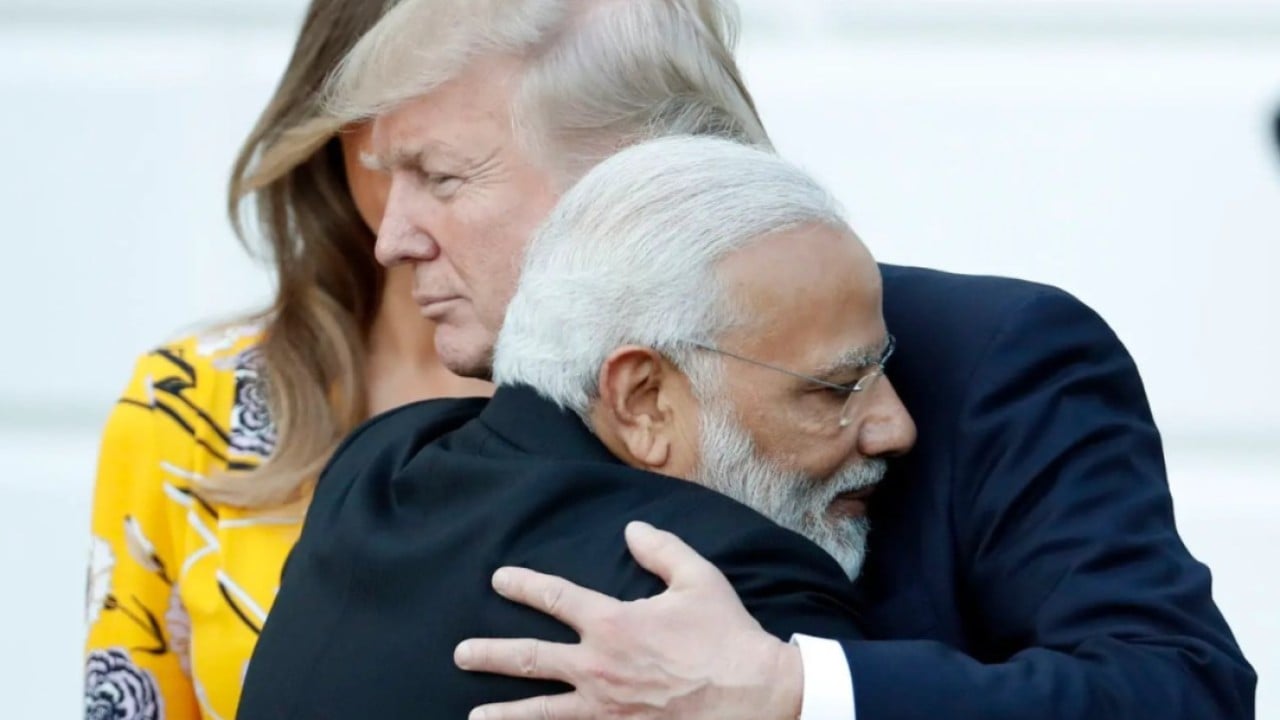
But the world keeps spinning. The show, they say, must go on. The anticipated encounter between Modi — and Trump during the G7 pow-wow isn’t just about putting on a good face. It’s about a scramble to [QUOTE_PLACEHOLDER] the latest tensions and avoid derailing efforts to get relations back on track. Imagine that: working to get relations ‘back on track’ after what just happened. The chutzpah. They’ve gotta fix it, and quick.
The India-US relationship has been kinda like a Bollywood melodrama lately—lots of dramatic highs, but with plenty of squabbling behind the scenes. [QUOTE_PLACEHOLDER] [QUOTE_PLACEHOLDER] over tariffs, Pakistan, — and now, the Iran war. These aren’t trivial spats; they’re fundamental divergences that occasionally erupt. For India, its dependence on the Persian Gulf is more than strategic; it’s existential. Indian nationals make up a sizable portion of the global maritime workforce; somewhere north of 250,000 active Indian seafarers operate on merchant ships worldwide, according to the Directorate General of Shipping. That’s a huge pool of people directly exposed to regional volatility. When vessels get hit, when sailors die, India feels it directly—it isn’t some distant geopolitical abstraction.
And let’s not forget Pakistan. That’s always lurking, isn’t it? The original content lists [QUOTE_PLACEHOLDER] as one of the strain points. Washington’s on-again, off-again relationship with Islamabad—often viewed by Delhi with considerable suspicion, like an ex-partner who just won’t go away—continually complicates regional dynamics. Pakistan, too, sends many of its citizens to work on vessels and in industries across the Gulf, meaning the instability that led to these Indian deaths isn’t just an Indian problem. It’s a regional issue, impacting millions of South Asian and Muslim world workers whose remittances underpin whole economies. They’re just trying to make a living; they get caught in this geopolitical mess.
It’s not all doom — and gloom for Modi and Trump, though. There’s a shared desire to counter China’s growing influence in the Indo-Pacific—a powerful glue that binds them, even through rough patches. But that particular bond is constantly tested by these bilateral irritations. One day, it’s trade disputes, then Kashmir, now deadly skirmishes in contested waterways. It’s enough to make a seasoned diplomat pull their hair out. But here we’re, watching two powerful men navigate a minefield of their own making.
What This Means
This incident isn’t just a bump; it’s a fissure in the foundation of what’s supposed to be an ascending partnership. Politically, Prime Minister Modi now faces heightened pressure domestically to protect India’s interests and citizens abroad. He can’t just gloss over three dead sailors. The optics of engaging with a U.S. President whose military is directly or indirectly responsible for Indian deaths—even accidentally—demand a careful walk. He’s got to project strength, even if he’s inwardly fuming. But don’t expect public grandstanding. They’ll likely paper over the cracks with reassurances and maybe, just maybe, some vague promises about protocols for maritime safety.
Economically, the message from the Gulf is bleak. It means more shipping premiums, supply chain disruptions, and greater risk for the Indian vessels that regularly transit these oil-rich but increasingly dangerous waters. India imports approximately 85% of its crude oil, with a hefty portion—about 60%—coming from the Persian Gulf, according to 2023 data from the Petroleum Planning & Analysis Cell. This dependence means New Delhi has limited leverage to genuinely alienate Washington when it needs stable passage through this chokepoint. The US, for its part, risks alienating a massive economic and strategic partner in its bid to maintain order in the Middle East. It’s a delicate balancing act, one that just got heavier for both nations. For Washington, a blunder in the Gulf complicates efforts to rally allies against Iran, period. The cost of a simple mistake has now been paid in human lives, — and that’s not something you just sweep under the rug.