


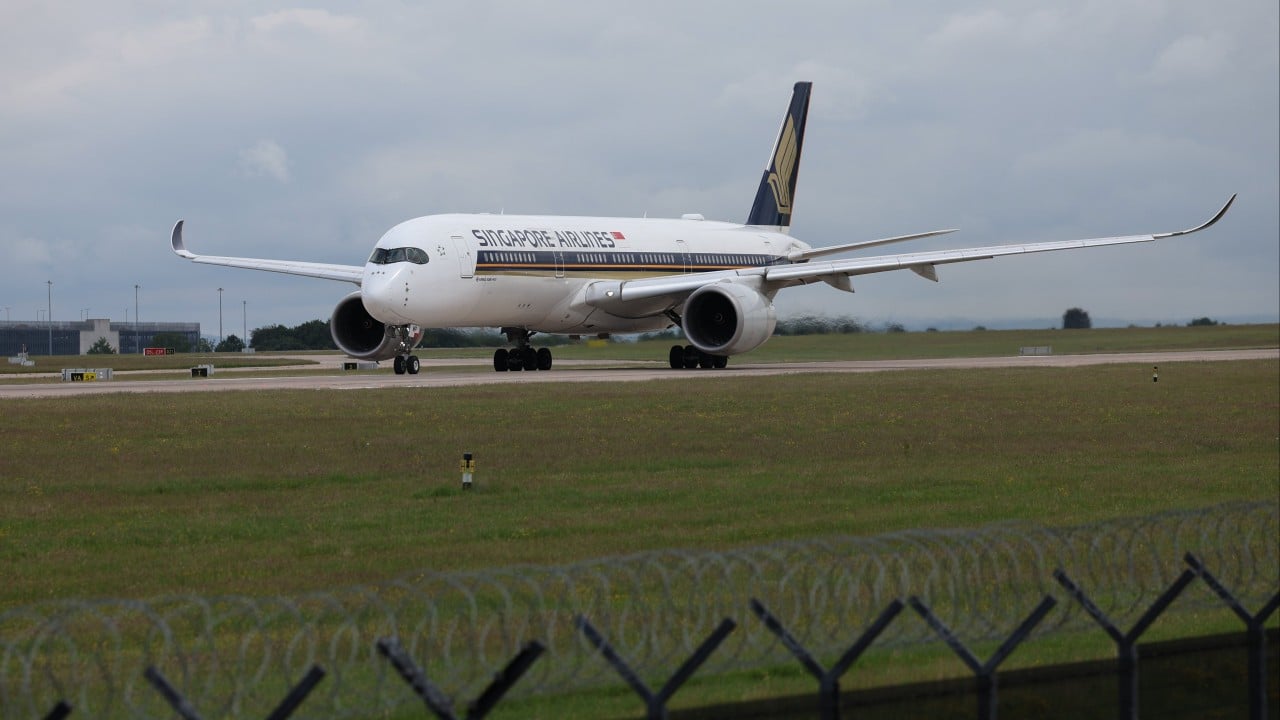
Passenger Jailed for Molesting Flight Attendant on Singapore Airlines Flight
POLICY WIRE — Singapore — Air travelers navigating the confined spaces of an aircraft operate under an implicit understanding of mutual respect and safety. This...

POLICY WIRE — Singapore — Air travelers navigating the confined spaces of an aircraft operate under an implicit understanding of mutual respect and safety. This compact was decisively broken recently when a passenger was handed a six-month jail sentence after a deeply unsettling incident aboard a Singapore Airlines flight. The episode underscores the stringent consequences awaiting individuals who disregard the safety and dignity of cabin crew and fellow passengers, regardless of their nationality or origin. (Reporting based on wire reports)
Akash Tiwari, a 35-year-old Indian national, received his sentencing on Monday following an incident where he molested a flight attendant. What compounded the initial act was not only the unhelpful reaction of his companions—who reportedly laughed at the time—but also Tiwari’s subsequent, aggressive behavior when the victim attempted to report the incident. These details, though brief in the initial wire reports, paint a vivid picture of a troubling breakdown in conduct during an international journey.
The sequence of events suggests a brazen disregard for the attendant’s person — and authority. After the initial molestation, the victim sought to inform her supervisor, a standard procedure for addressing such violations. However, Tiwari allegedly followed her into the galley, a space typically reserved for crew, where he proceeded to corner her, standing uncomfortably close. This second interaction transitioned the incident from an unprovoked act of molestation into a direct act of intimidation and further harassment.
The gravity of such an offense in the highly controlled environment of an airplane cannot be overstated. Flight crews are not merely servers; they’re safety professionals tasked with maintaining order, responding to emergencies, and ensuring the well-being of hundreds of individuals at high altitudes. Acts that undermine their authority or threaten their safety are universally treated with extreme seriousness by aviation authorities and legal systems.
Prompt action from the airline ensured accountability. The flight captain, recognizing the severity of the situation, swiftly reported the incident. Upon arrival at Singapore’s Changi Airport, a police report was officially lodged, leading directly to Tiwari’s arrest. This quick and decisive legal process highlights Singapore’s commitment to maintaining law and order, particularly in cases involving international visitors and breaches of conduct within its jurisdiction.
This case serves as a stark reminder of the escalating global concerns regarding unruly passenger behavior. Airlines worldwide have reported an increase in incidents ranging from verbal abuse to physical assault against flight attendants. Industry groups regularly advocate for stricter penalties and more consistent enforcement to protect cabin crew, who are essential to the safety and comfort of air travel. Such incidents can have profound psychological impacts on those targeted, affecting their sense of safety and professional well-being.
The response of Tiwari’s friends, reportedly laughing at the flight attendant’s distress, also draws a line under a concerning lack of empathy. In any setting, such behavior is unacceptable; within a public and confined space like an aircraft, it reflects a profound deficit in social responsibility and complicity in a degrading act. Such reactions often create an even more hostile environment for victims seeking help or recourse.
What This Means
This incident and the swift, significant jail sentence delivered by Singaporean authorities send an unambiguous message: misconduct aboard aircraft, particularly against essential service personnel like flight attendants, won’t be tolerated. For international travelers, it underscores the critical importance of understanding and adhering to local laws, which can apply vigorously even to actions committed in transit, once a jurisdiction is entered. The swift judicial outcome in Singapore serves as a powerful deterrent, signaling that actions once perhaps considered ‘minor’ by some are now met with serious legal repercussions, especially when they involve harassment and safety violations.
For the airline industry, it reinforces the necessity of empowering flight crews to report all incidents without fear, knowing that robust legal and corporate support structures are in place. The professional and immediate actions taken by the flight captain and the ground police demonstrate an effective coordination that’s crucial for maintaining order and ensuring justice in air travel. Ultimately, this ruling reaffirms that a flight is not merely a vehicle; it’s a regulated space where basic human decency and the rule of law apply, protecting all who travel and serve within it. The case further spotlights the ongoing need for campaigns and policy implementations designed to ensure safer, more respectful environments for cabin crew members globally, as they perform their duties under often challenging conditions.