


Dust and Diamonds: College Baseball’s Unexpected Cash Home Run in an Apathetic Age
POLICY WIRE — New York, United States — In a media epoch choked with digital ephemera and global tumult—the kind of world where a misplaced tweet can trigger diplomatic tremors from Islamabad to...

POLICY WIRE — New York, United States — In a media epoch choked with digital ephemera and global tumult—the kind of world where a misplaced tweet can trigger diplomatic tremors from Islamabad to Riyadh—a curiously parochial drama played out on America’s television screens. Turns out, folks were watching college baseball. And not just a few stragglers. They were glued. Who would’ve thought?
While pundits fret over algorithmic feeds shaping our worldview and what’s unfolding in, say, the Strait of Hormuz—events that actually demand serious policy scrutiny—the 2026 College World Series quietly raked in viewers. Big numbers, surprisingly. We’re talking millions, for amateur athletes chasing a stitched leather ball. It feels almost anachronistic, doesn’t it, this collective surrender to something so utterly domestic, so, well, pure in its competitive zeal? But it happened. The ESPN data, dry — and irrefutable, points to an event that became the third most-watched CWS in history.
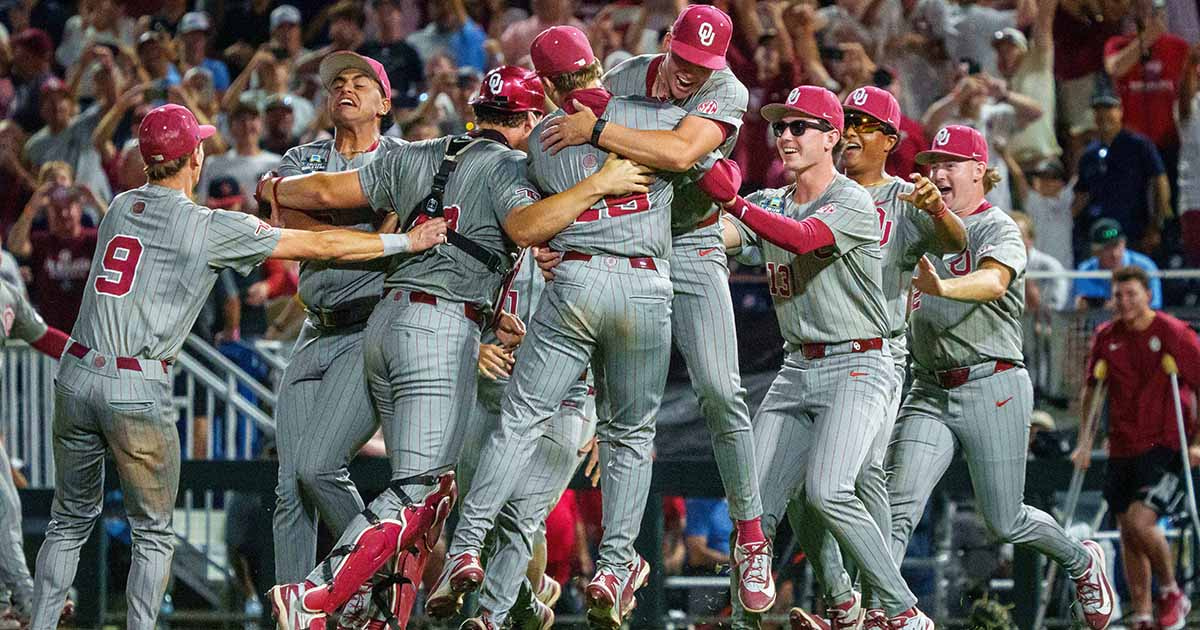
Oklahoma’s championship victory over North Carolina—a classic, gritty matchup—averaged 2.5 million viewers, according to ESPN’s own figures released Wednesday. Peak viewership soared to three million. That’s a staggering figure for a sport often relegated to niche status, for young men not yet sporting multi-million dollar contracts or viral social media followings. It makes you pause. Last year’s championship clash, where LSU dispatched Coastal Carolina, drew the same 2.5 million, but that was a quick two-game sweep. This year felt different, deeper.
And it wasn’t just the final. The entire 2026 NCAA baseball tournament registered a whopping 24.5% year-over-year increase in viewership, averaging 1.5 million sets of eyeballs. The lead-up to the final series was equally potent, drawing 1.4 million viewers and marking a 34% hike from the previous year. But how? In a market fractured by streaming, short-form content, and endless news cycles that seem to constantly ping us with anxieties about—to pick one, say—a potential flashpoint in the Gulf, this small-stakes American spectacle became a ratings behemoth. Something about live events, perhaps, remains stubbornly compelling. Can’t be DVR’d; you’re either in or you’re out. It’s got that raw, immediate pull.
“We’ve seen collegiate athletics — especially the live spectacles — develop an almost magnetic draw recently,” noted Dr. Evelyn Reed, an Athletics Director at a prominent Midwestern university, in an email to Policy Wire. “It speaks to the deep connection people have to their alma maters, their communities. And honestly, it’s a refreshing break from, you know, the unending political debates.” She makes a valid point. There’s a certain, comforting tribalism in it.
Even higher up, the suits are smiling. “College baseball is no longer just a springtime curiosity,” proclaimed Kevin O’Connor, ESPN’s Executive Vice President of Programming, in a company press release. “We’re investing in this property because the numbers don’t lie; it’s a rapidly expanding market for passionate fans, drawing new audiences who appreciate the authentic drama only amateur sport delivers.” They don’t mind the cash flow, either, obviously. Money talks, always does.
Regional rounds saw a 38% bump. Super Regionals—remember those?—achieved their highest viewership since 2009, up 31% year-over-year. Three of those games alone topped 1.1 million average viewers. It suggests a grassroots revival, a kind of unbidden thirst for the real. And for these college athletes, many of whom won’t see professional paychecks, it’s a big deal. They’re competing in packed stadiums, yes, but they’re also performing for national audiences. It adds another layer, doesn’t it?
Because ultimately, these aren’t just games. They’re part of a grander narrative, one that intertwines education, sport, and — whether we like it or not — commerce.
What This Means
The burgeoning popularity of college baseball isn’t merely an intriguing footnote for sports enthusiasts; it carries considerable weight in the complex ecosystem of collegiate life, spilling into economics and even elements of national soft power. Economically, these viewership surges directly translate into higher advertising revenue for networks like ESPN, cementing live sports as one of the last bastions of unskippable ad dollars. For universities, the exposure is a goldmine. Increased visibility on a national stage doesn’t just mean more ticket sales; it translates into greater brand recognition, potentially impacting everything from booster donations and alumni engagement to student applications and even—indirectly—the allure of a particular institution to international students, say, from places like Pakistan seeking American higher education. It’s an intangible asset that boosts prestige, something harder to measure than raw ad dollars, but no less significant.
Politically, while college baseball itself rarely dictates policy, the financial success of NCAA sports adds complexity to ongoing debates about athlete compensation and the ‘amateur’ model. More money flowing into the system will inevitably intensify calls for greater athlete shares, creating potential pressure points for federal or state legislative action. this broad embrace of a distinctively American pastime, however momentarily distracting it may be from global geopolitical realpolitik, serves a subtle cultural function. It reinforces a particular set of national values: hard work, team spirit, individual achievement within a collective goal. That sort of narrative, though innocent in itself, subtly shapes internal discourse even as global events demand our attention. It suggests a public craving for simple, compelling narratives when the world outside often offers anything but.