

Texas Near-Miss Shatters Illusion of Absolute Air Safety, Sparks Global Regulatory Jitters
POLICY WIRE — Washington D.C., USA — It wasn’t a collision—just a breath held, a stomach lurched, a collective exhale by an unseen few. That’s how these things usually go. You don’t read about the...

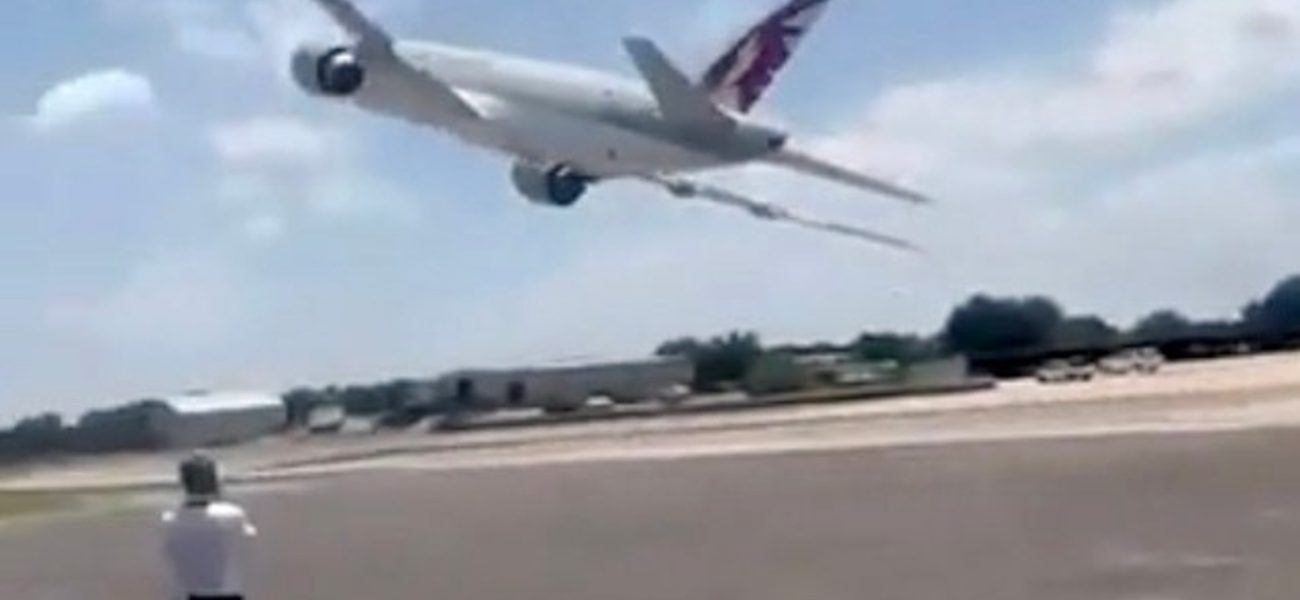
POLICY WIRE — Washington D.C., USA — It wasn’t a collision—just a breath held, a stomach lurched, a collective exhale by an unseen few. That’s how these things usually go. You don’t read about the catastrophe that almost was, because, well, it wasn’t. But sometimes, the near misses make more noise than a fully realized disaster. A low-flying plane, narrowly missing a runway at a private Texas airstrip, isn’t just local news; it’s a tremor felt throughout the sprawling, often opaque world of aviation safety.
This incident, now under the intense gaze of the Federal Aviation Administration (FAA), peels back the glossy veneer of air travel’s purported invincibility. It isn’t about faulty engines or exotic terror plots—it’s about the silent ballet of countless tiny calculations that, when even one step is off, could send everything spiraling. Here, the potential calamity hinged on a pilot’s judgment, or perhaps a system’s oversight, at an unassuming private airport, far from the bustling hubs that usually capture public anxiety. You see, the big airports, they’re monitored like hawks. But smaller, privately operated fields? They’re often less regulated, creating a labyrinth of differing standards that some say is ripe for miscalculation. [QUOTE_PLACEHOLDER]
And let’s be honest, flying, especially today, has become less an adventure and more a necessity—a routine, predictable form of transit we trust blindly. But this quiet scare, unfolding somewhere in the Lone Star State, is a harsh reminder that such faith isn’t always well-placed. The system’s only as strong as its weakest link, and sometimes that link is just a few hundred feet off the ground, misaligned with the concrete ribbon below. The FAA, an agency perpetually balancing the commercial thirst for efficiency with the absolute mandate of safety, is now tasked with untangling this particular knot, its findings destined to be scrutinized by experts worldwide.
They’re examining everything—flight paths, communications (or the lack thereof), meteorological data, and the pilot’s certifications and experience. Because when the stakes are literally life — and death, even the minutiae become monumental. What was the visibility? Were proper procedures followed? Why was the plane so low, so dangerously close? These aren’t trivial questions; they form the bedrock of aviation safety, or its dismantling. We depend on these checks and balances. We really do.
But the ramifications stretch well beyond American airspace. Consider the parallel anxieties surfacing in regions like Pakistan, where an expanding air travel market frequently grapples with infrastructure limitations, varying regulatory adherence, and public perceptions of safety. Developing nations, striving to connect their burgeoning populations and economies, often rely on an ecosystem of private air operators, older fleets, and sometimes, less robust oversight structures. A hiccup in Texas echoes in Karachi or Lahore, sparking familiar conversations about accountability and preventing fatal incidents rather than just investigating them afterward. The interconnectedness of global aviation safety means that an investigation here inevitably informs standards, best practices, and even aid programs elsewhere—or it ought to, at least.
Official data indicates a persistent concern; the FAA recorded approximately 1,700 runway incursions across all US airports in 2023, situations where an aircraft or vehicle inappropriately enters the protected area of a runway. It’s a sobering number, isn’t it? That’s about 4-5 such events every day, hinting at the constant vigilance required—and sometimes, apparently, missed—in a system designed for precision. This wasn’t just a one-off anomaly. It’s a symptom, folks.
📄 POLICY WIRE WHITEPAPER PUBLISHED: PAKISTAN'S NATIONAL SECURITY POLICY PRIORITIES
👉 READ BY CLICKING HEREWhat This Means
The incident at this unnamed Texas airport—private, mind you—isn’t just a technical matter for aviation nerds. Its investigation carries serious political — and economic implications. Politically, it amplifies the perennial debate over regulatory oversight. How much is enough for private airfields? Are existing FAA regulations adequately enforced, or do we need new legislation? Congress, already burdened with an increasingly polarized agenda, might find itself pressed to consider appropriations for expanded air traffic control staffing or more advanced radar systems, even at smaller facilities. But funding always faces pushback; it’s a tightrope walk between cost and public safety, one that politicians rarely navigate gracefully.
Economically, any heightened scrutiny inevitably means increased operational costs for private airfields and aircraft owners. Insurance premiums could creep up. Compliance requirements, often costly, could stifle smaller operators or nascent aviation businesses. For global markets, this Texas event reinforces the need for harmonized international safety protocols—something groups like the International Civil Aviation Organization (ICAO) strive for, often against considerable nationalistic resistance. An incident like this, even a non-fatal one, chips away at public trust. And declining trust, as any industry knows, can hurt passenger numbers — and investments in the long run. People wanna feel safe up there, don’t they? And when the margin for error seems to shrink daily, it puts immense pressure on those tasked with keeping planes in the sky and everyone on the ground safe. It’s a tight squeeze.