


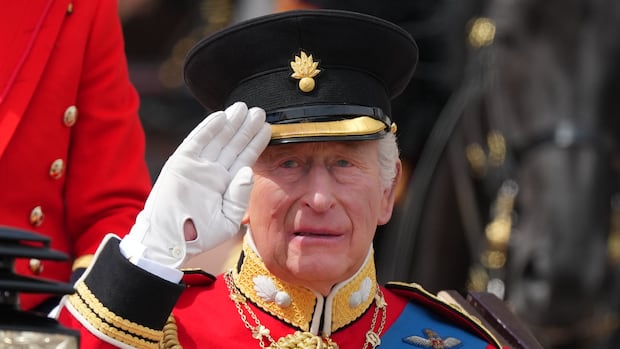
King Charles III Opts Against Buckingham Palace Residency Post-Renovation
POLICY WIRE — London, UK — A significant departure from nearly two centuries of tradition looms for the British monarchy, as King Charles III will reportedly no...

POLICY WIRE — London, UK — A significant departure from nearly two centuries of tradition looms for the British monarchy, as King Charles III will reportedly not take up full-time residence in Buckingham Palace even after the completion of its extensive 10-year refurbishment. This decision, announced as the crown continues its efforts to redefine public engagement, marks a strategic pivot for the iconic royal landmark.
The choice by Charles III directly follows the ambitious 369-million-pound ($692 million Cdn) refurbishment program, a project initiated to modernize the venerable structure. Instead of becoming his primary home, the palace is being eyed for expanded public access, signalling a shift in the monarchy’s operational philosophy. (Reporting based on wire reports)
For generations, Buckingham Palace has been the quintessential symbol of the British monarchy, serving as both its administrative headquarters and the principal royal residence in London. Its role as the centre of royal life for almost 200 years, as noted in wire reports, solidified its place in global consciousness, making this decision particularly noteworthy. The prospect of King Charles III, and potentially future monarchs, residing elsewhere is a considerable adjustment to a well-established custom.
The Cost and The Crown’s Contention
The ‘Reservicing Programme,’ as it’s officially known, began in 2017 and is one of the most comprehensive overhauls the palace has undergone since it became the official royal residence for Queen Victoria in 1837. The stated objectives of the project focused on updating critical infrastructure – including electrical wiring, plumbing, and heating systems – which, by general public understanding, were deemed archaic and posing significant fire risks. The total sum, approaching 370 million pounds, represents a substantial investment of public funds, a point of regular scrutiny for the royal family.
While the palace has long hosted state banquets, investitures, and weekly audiences with the Prime Minister, a more permanent departure from residential use could free up more areas for public tours, events, and potentially reduce operational costs associated with maintaining private royal quarters. Historically, portions of the palace, particularly the State Rooms, have been open to the public during summer months, but an absence of royal residents would logically broaden these possibilities.
This move is consistent with the broader efforts of the contemporary monarchy to present itself as more open and accessible. In recent decades, there has been a conscious push to demystify some aspects of royal life, balance tradition with modern expectations, and justify its cost to the taxpayer. Allowing greater access to a property so central to its identity— and which requires such significant public investment to maintain—would align neatly with that overarching strategy.
Prior to his ascension, Charles III, then Prince of Wales, had already established Clarence House as his primary London residence. Other senior royals also maintain their own residences; for instance, the Prince and Princess of Wales currently reside in Adelaide Cottage near Windsor Castle. The transition away from Buckingham Palace as the monarch’s permanent home could represent a rationalization of the extensive royal property portfolio, consolidating operations and residences across a variety of estates. Windsor Castle, Balmoral, and Sandringham remain significant family and ceremonial strongholds outside London, offering a spread of royal presences.
What This Means
This decision, that King Charles III won’t permanently move into Buckingham Palace post-refurbishment, signals a potentially profound shift in the symbolism and function of the monarchy’s most recognized seat. It underscores a practical consideration of resources and public relations, perhaps recognizing that a fully inhabited, publicly funded palace with limited access is increasingly difficult to justify in the 21st century.
On one hand, greater public access could be a net positive, transforming a historically private space into a more engaging cultural and historical attraction, potentially boosting tourism and public goodwill. It aligns with a perceived need for the monarchy to demonstrate its value — and relevance beyond ceremonial duties.
Conversely, some might view the monarch’s absence from the traditional central residence as a diminishment of royal grandeur or a concession to republican sentiment. For those who see the monarchy as an essential cornerstone of British identity, the departure from Buckingham Palace could symbolize a loss of continuity or traditional presence. The ongoing challenge for the monarchy will be to balance modern demands for transparency and accessibility with the inherent need for mystique and tradition that forms the bedrock of its enduring appeal. How this redefinition impacts the monarchy’s long-term public image remains an open question, one that this unprecedented residential decision will undoubtedly help answer.