

French National Rescued in Pakistan After Alleged 12-Year Captivity by Husband
POLICY WIRE — A 54-year-old French woman, Sylvie Yasmina, and her five children have been rescued by Pakistani police in Khyber Pakhtunkhwa province, following ...

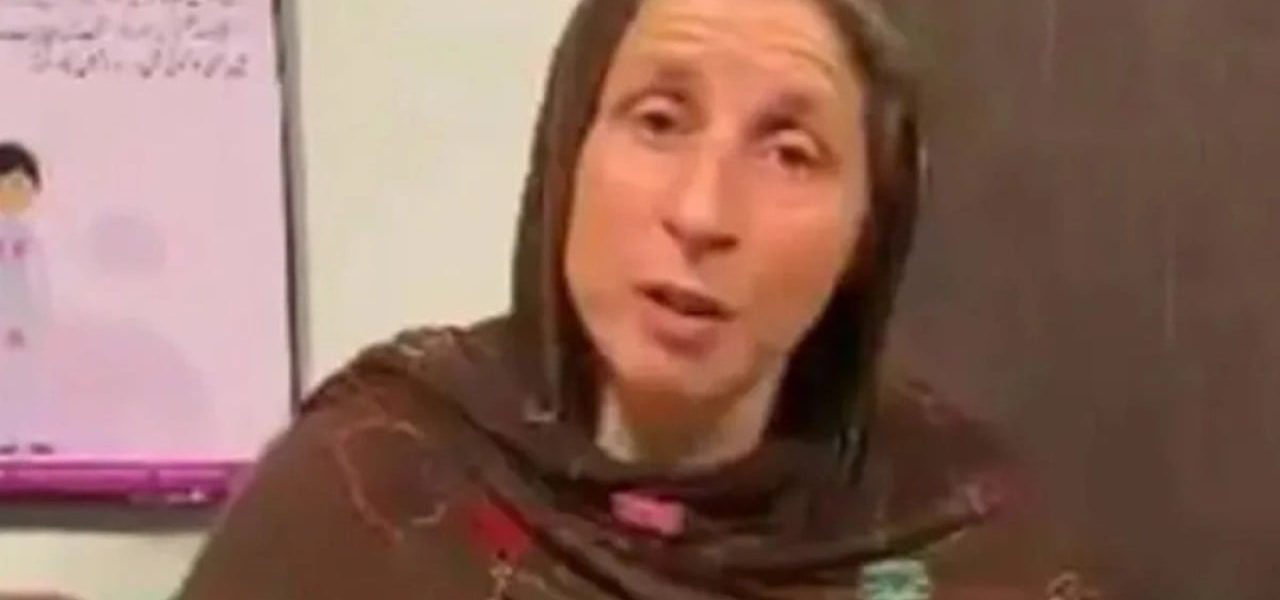
POLICY WIRE — A 54-year-old French woman, Sylvie Yasmina, and her five children have been rescued by Pakistani police in Khyber Pakhtunkhwa province, following her claim of being held captive and subjected to domestic abuse by her husband for more than a decade. The operation, which brought an alleged 12-year ordeal to an end, underscores the complex challenges faced by individuals caught in abusive situations, especially in remote regions.
According to Pakistan police statements issued on Wednesday, Yasmina was located — and rescued earlier this week. Her rescue occurred in Bara, a town nestled within the Khyber Pakhtunkhwa province, an area situated near the Afghan border and known for its often-rugged terrain and tribal customs. Police Chief Waqar Ahmad of the district confirmed these details, noting that Yasmina and her children were found in a modest mud-brick home.
The allegations leveled by Yasmina against her husband paint a disturbing picture of prolonged suffering. She informed authorities that she had endured years of domestic abuse in addition to being held against her will. The involvement of her five children, who were also present at the time of the rescue, adds a further layer of tragedy to the situation, raising questions about their welfare and the psychological impact of such an environment.
This incident brings to light the vulnerabilities faced by foreign nationals in cross-cultural marriages, particularly in regions where legal frameworks might be difficult to navigate or where local customs can exert significant influence. The Khyber Pakhtunkhwa province, historically a frontier region, has a distinct cultural and legal landscape, including the application of tribal codes in some areas, which can complicate intervention by state law enforcement agencies. However, the police response in this instance indicates a clear commitment to upholding national laws against abuse and illegal confinement.
Domestic abuse, sadly, is a pervasive global issue that often transcends socio-economic — and national boundaries. The circumstances described by Yasmina—prolonged captivity and abuse—highlight extreme cases where victims may feel isolated and unable to seek help. For a woman reportedly held for over a decade, the immediate priority for authorities will likely be to ensure her safety and the well-being of her children, alongside a thorough investigation into her allegations.
The involvement of a French national also brings the diplomatic element into play. While the primary investigative and protective responsibilities fall to Pakistani authorities, consular support from the French embassy will likely be critical for Yasmina, offering legal aid, psychological support, and assistance with repatriation or other arrangements as needed. Cases involving international marriages and alleged abuses can be particularly challenging due to differing legal systems, cultural norms, and jurisdictional complexities.
As the investigation proceeds, authorities will face the task of corroborating Yasmina’s claims, gathering evidence, and potentially pressing charges against her husband. The nature of these charges, if filed, could range from unlawful confinement and domestic violence to more serious offenses, depending on the specifics uncovered by police. The testimony of the rescued children will undoubtedly be crucial in understanding the full scope of the alleged ordeal.
What This Means
The rescue of Sylvie Yasmina, as reported by Pakistan police, serves as a stark reminder of the ongoing struggles against domestic violence and unlawful detention globally. It underscores the critical role law enforcement agencies play in intervening in situations where individuals, regardless of their nationality, are denied their basic freedoms and subjected to abuse. While the specifics of this case are still under investigation, it points to broader challenges faced by societies in protecting vulnerable individuals.
For Pakistan, an incident involving a foreign national in a culturally sensitive region like Khyber Pakhtunkhwa can draw international scrutiny. It highlights the importance of strengthening legal protections and ensuring effective police action, especially in areas where traditional practices may sometimes conflict with modern human rights standards. The eventual outcome of this case, both legally and in terms of victim support, will be keenly observed, potentially influencing how similar allegations are handled in the future and reaffirming commitments to international norms of safety and justice. (Reporting based on Associated Press)