


Corporate Immunity Wins Big: SCOTUS Shuts Down Thousands of Roundup Suits
POLICY WIRE — Washington D.C., USA — For countless families across America—farmers, gardeners, agricultural workers who stake their very health on their livelihood—this week wasn’t just another...

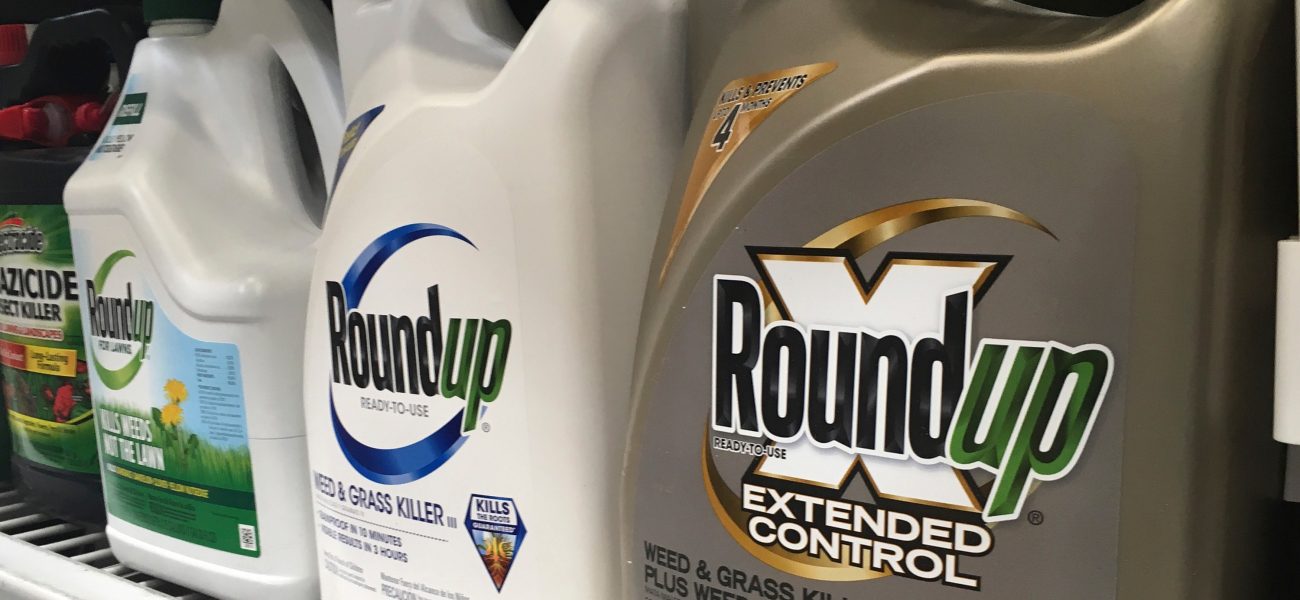
POLICY WIRE — Washington D.C., USA — For countless families across America—farmers, gardeners, agricultural workers who stake their very health on their livelihood—this week wasn’t just another spin on the news cycle. It was a decisive, gut-wrenching legal punch. And it landed squarely on their hopes for redress. The Supreme Court, with little fanfare, declined to hear an appeal in a major case against Bayer, effectively snuffing out—at least for now—thousands of pending lawsuits claiming its popular Roundup weedkiller caused cancer.
It’s a win for corporate bottom lines, no question. The decision allows Bayer to sidestep an expensive quagmire, dodging federal preemption arguments that have been the backbone of its defense. That’s a huge sigh of relief echoing through their boardrooms. But for the plaintiffs, battling non-Hodgkin lymphoma they attribute directly to exposure to glyphosate, Roundup’s active ingredient, it’s a closed door. They’re left, many say, with little more than a federal shrug.
Justice Samuel Alito’s rare dissent from the denial of certiorari signals that this wasn’t some open-and-shut case, however. He noted the obvious—the government’s take on warning labels is complicated. Because federal law approved Roundup’s labeling without a cancer warning, Bayer argues, state-level failure-to-warn lawsuits are barred. It’s a classic federal versus state sovereignty tussle, only with people’s lives hanging in the balance. The Environmental Protection Agency (EPA) has maintained that glyphosate is not likely carcinogenic, but California and the World Health Organization’s cancer research agency have suggested otherwise. That split, folks, is the whole darn problem.
“This ruling affirms the integrity of scientific review and the principle that labels approved by federal regulators shouldn’t be second-guessed by state juries,” declared Phillip K. Stern, a corporate counsel spokesperson for Bayer AG, in a carefully worded statement. “We’re pleased with the outcome and remain confident in glyphosate’s safety when used as directed.” Such sentiments hardly soothe those already deep in medical debt, though, do they?
“They’ve thrown justice out the window for profit,” countered Eleanor Vance, lead counsel for a coalition of plaintiffs, her voice thick with frustration. “It’s a clear message: Big Ag can act with impunity while ordinary folks get sick. We won’t stop. The fight continues in every forum possible.” Her sentiment resonates with a growing public distrust in corporate science, especially when pitted against personal devastation. Some reports suggest that Bayer has already paid out over $10 billion in settlements and awards to resolve previous claims, largely due to state court victories where juries found their evidence compelling.
This judicial chess move from America’s highest court has ramifications far beyond its borders. For nations like Pakistan, which relies heavily on imported agrochemicals for its vital agricultural sector—think vast fields of cotton and wheat—such rulings from powerful Western courts can inadvertently shape local policy, or lack thereof. Pakistan, with its burgeoning population and developing regulatory infrastructure, often finds itself navigating the choppy waters of global corporate influence and health standards. If major international players face fewer liabilities elsewhere, what incentive do they’ve to bolster safety measures in markets where oversight might be less stringent? It’s a question many public health advocates there have been asking for years, long before global diplomacy struggles with critical supply lines.
What This Means
This Supreme Court denial, while not a direct ruling on glyphosate’s safety, fundamentally shifts the playing field for future product liability cases. It injects a considerable dose of uncertainty for consumers who rely on state courts for recourse against allegedly harmful products. The implication here is potent: If federal approval preempts state warnings, then federal agencies effectively become the sole arbiters of corporate accountability in these specific arenas. And that, frankly, leaves very little wiggle room for victims.
Economically, it’s a boost for Bayer — and potentially other chemical giants facing similar litigation. But it could also mean a chilling effect on consumer protection laws. Don’t expect to see class-action attorneys rolling over just yet. They’re adaptable, — and they’ll be searching for new legal avenues. This certainly doesn’t mark the absolute end of all glyphosate-related litigation; it merely closes one rather significant door. But it’s also a stark reminder that even in an age where information travels at light speed, where personal stories get heard on social media, the heavy hand of established law—and powerful corporate lobbies—can still decide who gets heard, and who gets shut out. That’s how it’s always worked, hasn’t it? Perhaps not the fair play we’re all hoping for, but that’s the legal landscape we’re stuck with. It really isn’t complicated.