


Wildfire Threatens Lytton, B.C., Five Years After Village Was Destroyed
POLICY WIRE — Lytton, British Columbia — A stark and unwelcome parallel has emerged in the British Columbia Interior, where a new wildfire is burning unchecked ...

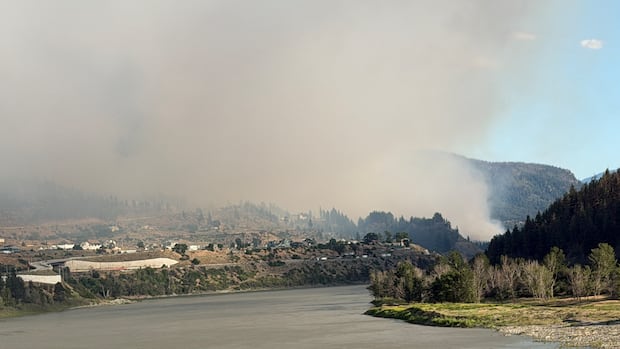
POLICY WIRE — Lytton, British Columbia — A stark and unwelcome parallel has emerged in the British Columbia Interior, where a new wildfire is burning unchecked just south of Lytton. This same village, Lytton, was tragically obliterated by wildfire approximately five years ago, making the current threat particularly poignant for residents and emergency responders.
The Saw Creek fire, as it’s been designated, was first discovered on June 19. Since then, it has continued its uncontrolled advance, creating a palpable sense of alarm in a region acutely aware of its vulnerability to such devastating events.
Lytton, nestled within the B.C. Interior, is a community that has become synonymous with the destructive power of extreme fire conditions. The catastrophic blaze that consumed the village five years prior serves as a grim historical marker, a reminder of the swift and brutal efficiency with which wildfires can reshape lives and landscapes. That earlier inferno highlighted the severe challenges posed by changing climatic conditions and the escalating risk of intense wildfires across Western Canada.
The recurring nature of such events for Lytton — a village already bearing the scars of past destruction — underscores a broader, provincial concern. Wildfire seasons in British Columbia have, in recent years, grown more severe and unpredictable, prompting continuous adjustments to fire suppression strategies and community preparedness efforts.
As the Saw Creek fire rages out of control, emergency services are undoubtedly focused on containment — and protection. The operational details surrounding this particular blaze are crucial, as resources are allocated to mitigate the risk to nearby communities and infrastructure, particularly given Lytton’s recent history of devastation.
The sheer proximity of a new, uncontrolled fire to a village with such a traumatic past demands heightened attention and a robust response, embodying the ongoing struggle against environmental challenges in the region.
What This Means
The re-emergence of a significant wildfire threat so close to Lytton, especially given the historical context, highlights several critical implications for British Columbia and communities facing similar risks. It reinforces the urgent need for resilient infrastructure and comprehensive evacuation plans, built not just on immediate response, but on the long-term recognition of escalating climate-related hazards.
For the residents of Lytton, who are still grappling with the psychological and physical aftermath of the prior destruction, this new fire represents a profound test of resolve and an acute reminder of ongoing vulnerability. The experience also emphasizes the cyclical nature of environmental challenges, pushing for greater investment in proactive forestry management, early detection systems, and fire-resistant community design.
Ultimately, the Saw Creek fire’s continued status as ‘out of control’ directly south of a rebuilt (or rebuilding) Lytton raises questions about adaptation strategies. Can communities truly rebuild effectively in areas that remain highly susceptible to such intense and frequent natural disasters? The answer lies not just in containing the current fire, but in reassessing long-term strategies for living with—and attempting to mitigate—the undeniable and growing threat of wildfires across the Canadian landscape. (Reporting based on wire service material)