

Screen-Deep Solutions: New Mexico Tackles Teen Mental Health with App, Igniting Debate Over Digital Fixes for Real-World Crises
POLICY WIRE — TAOS, N.M. — It used to be whispered conversations in school hallways, maybe a hushed trip to the counselor’s office. Now, for the adolescents of Taos County, navigating the...

POLICY WIRE — TAOS, N.M. — It used to be whispered conversations in school hallways, maybe a hushed trip to the counselor’s office. Now, for the adolescents of Taos County, navigating the bewildering terrain of teen angst and actual mental health crises might just involve tapping an icon on a smartphone. The state of New Mexico, with a rather contemporary flick of its bureaucratic wrist, is rolling out a mobile application, Navi, aimed squarely at this often-vulnerable demographic. Call it progress, or call it a very modern patch on a problem that’s far bigger than any phone screen—either way, it’s happening.
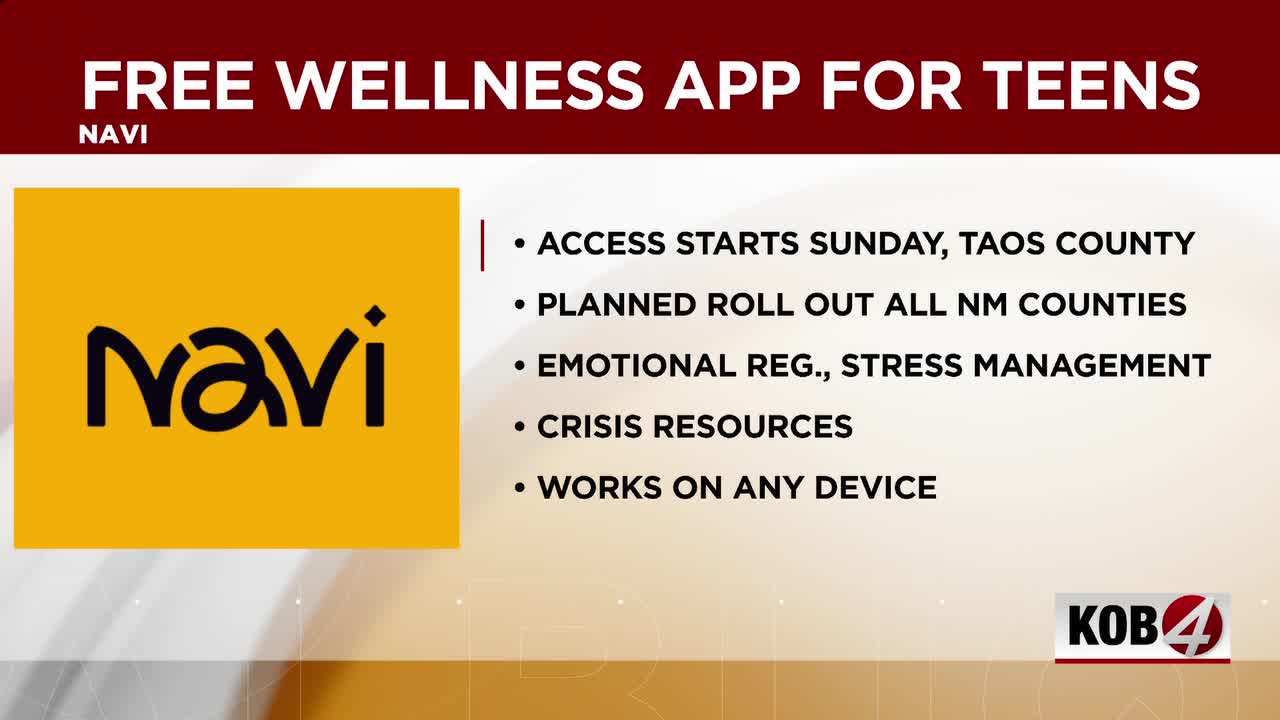
Beginning this Sunday, New Mexico will give teens in Taos County free access to the Navi mental wellness app, with signup open for ages 13 to 18
, according to official statements. The initial focus on Taos isn’t some arbitrary decision; it reflects an unspoken acknowledgement of acute local needs. But the quiet hope from Santa Fe—the capital, that’s—is that this isn’t just a Taos-centric experiment. The state says it plans to expand the app statewide, but it hasn’t said when that will happen.
It’s a phased rollout, or maybe a tentative toe-dip into the digital wellness waters, and no one’s quite sure how far the tide will come in. [QUOTE_PLACEHOLDER]
So, what exactly is Navi? Well, it’s not a TikTok clone, thankfully. The premise is straightforward, though perhaps a tad simplistic for the complexities of a developing mind. According to the state Health Care Authority, Navi offers activities for emotional regulation and stress management.
It sounds a bit like an interactive textbook, doesn’t it? And, if things get really rough, the app also connects teens to crisis resources.
That’s a good thing, a genuinely good thing—we’re not scoffing at that bit. But the reliance on an interface to foster something as intrinsically human as emotional stability—it’s worth a moment’s pause. Crucially, in a world increasingly uneasy about pervasive algorithms, The app doesn’t use AI and can work offline.
Small mercies, you might think, but significant in an era where data privacy is an increasing headache for government services. It means, at least in theory, a slightly more secure digital sanctuary.
And because mental health concerns aren’t exactly beholden to English-only speakers or unlimited data plans, The app is free for kids between 13 and 18 and is available in English and Spanish on any device.
Which is sensible. These aren’t minor considerations; they’re essential for reaching a diverse population in a state like New Mexico. Yet, the implicit assumption that a digital interface can effectively bridge the profound communication gaps often seen in teen mental health struggles, particularly across different cultural contexts, bears closer inspection. For example, in many South Asian communities, such as in Pakistan, mental health conversations remain deeply stigmatized and are often first navigated within family structures, not via an impersonal application, raising questions about whether such apps alone can transcend cultural nuances globally.
But the numbers don’t lie. Or rather, they scream. According to a 2023 study by the CDC, an alarming 42% of U.S. high school students felt persistently sad or hopeless in the past year. That’s a grim figure, almost one in two young people—a true societal emergency, wouldn’t you say? The program starts Sunday in Taos County as the state looks for ways to help teens in crisis.
And with statistics like those staring us down, it’s little wonder states are grasping at any tool available, digital or otherwise, to tackle the onslaught.
It’s easy for critics, particularly older journalists—like yours truly—to scoff at screens replacing conversations. But what are the alternatives, truly? Budget-starved school counseling departments, long waiting lists for therapy, and the sheer overwhelming scale of teen distress. A quick scroll might just be better than nothing, even if it feels like prescribing an aspirin for a gaping wound. And for some kids, the anonymity of an app—that little pocket of private space on a device that’s already glued to their hand—might be the only safe place they’ll actually seek out support. It’s certainly a nuanced topic, you’ve gotta admit.
What This Means
New Mexico’s move isn’t just about an app; it’s a telling snapshot of a wider governmental trend: leveraging tech for public health crises where traditional infrastructure feels inadequate or inaccessible. The state’s rollout reflects a reactive, rather than a proactive, posture towards escalating youth mental health issues. Politically, it’s an appealing, low-cost solution that generates headlines without requiring massive, immediate overhauls to existing — and often underfunded — health systems. It allows policymakers to say they’re doing *something*. Economically, it signifies a market increasingly willing to absorb public funds for digital solutions, creating a new niche for health-tech firms like Navi.
But there’s a realpolitik undertow here: will an app truly mitigate the complex socioeconomic factors that breed anxiety and despair in young people? Factors like poverty, family dysfunction, systemic neglect—those don’t get solved by emotional regulation activities on a screen, do they? This digital intervention, while well-intentioned, risks being viewed as a convenient deflection from addressing deeper structural issues. And for those contemplating the long game, how will these digital footprints impact a generation’s perception of self-care versus professional clinical intervention? Because what works for Taos today might just become a global template tomorrow. We’re seeing similar digital transformations impact other industries and geographies, proving technology’s reach, but also highlighting its limitations. It’s a delicate balance. Whether Navi is a lifeboat or a band-aid remains to be seen. But the implications, much like international policy shifts, certainly ripple far beyond New Mexico’s borders.