

Prodigy’s Shadow: Cricket’s Next Prince, or Another Burnt-Out Star?
POLICY WIRE — NEW DELHI, India — The stadium roar, the blinding lights, the hopes of a billion people – they’re all potent intoxicants. For 15-year-old Vaibhav Sooryavanshi, those intoxicating...

POLICY WIRE — NEW DELHI, India — The stadium roar, the blinding lights, the hopes of a billion people – they’re all potent intoxicants. For 15-year-old Vaibhav Sooryavanshi, those intoxicating realities are now his daily bread, pushed to the fore years before most adolescents grapple with high school exams, let alone international scrutiny. India, perennially hungry for its next cricketing deity, has found a new obsession in Sooryavanshi, but what does this precocious ascent truly cost, and who ultimately pays the price?
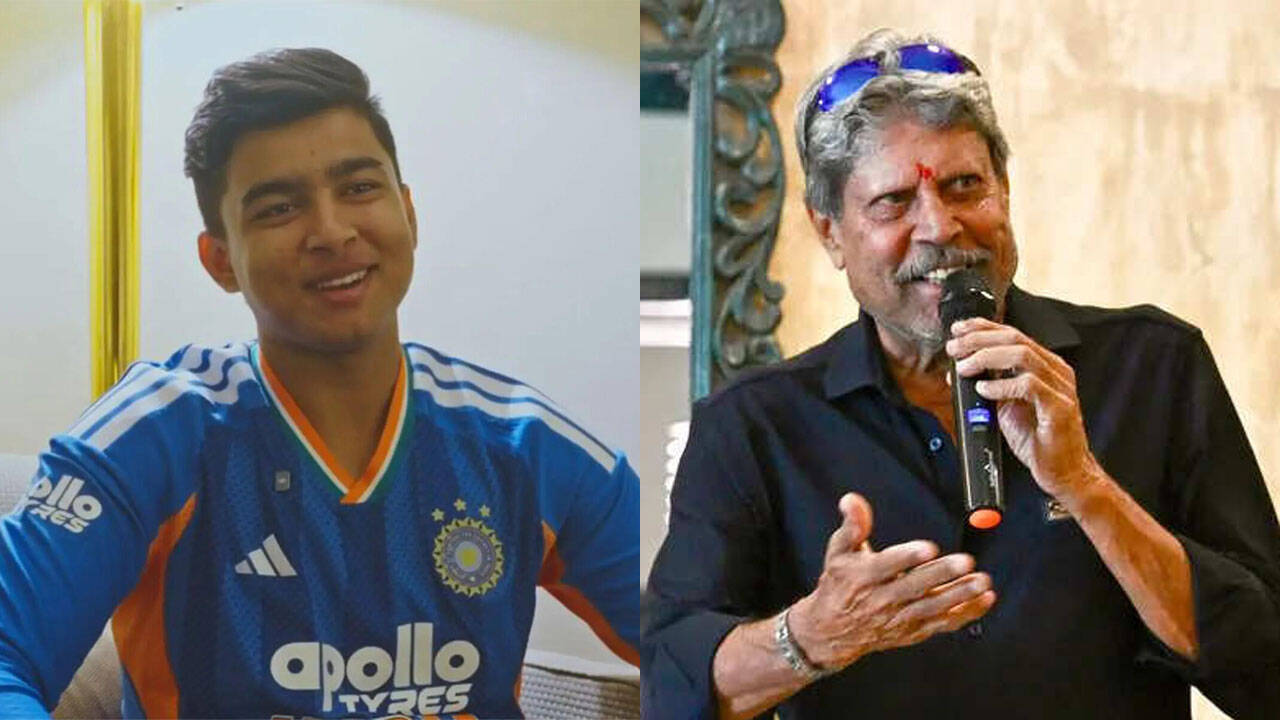
It’s not just a game here, it’s an industry. A colossus. But the machine’s insatiable hunger for fresh faces—new, marketable narratives—often overshadows the very real human being at the center. Veteran observers like Kapil Dev, who once captained India to its most unlikely World Cup triumph, offer a measured perspective that’s rapidly drowned out by the commercial cacophony. He calls Sooryavanshi “a special talent,” sure. But then adds the sobering rider: “Once he reaches 20-22, we will judge. But no doubt his talent is extraordinary. He is like Sachin at the age of 16 but can he play that long? He had to go a long way.”
Kapil, never one to mince words, knows the stakes. He understands the media maelstrom better than most. Because the story isn’t merely about a talented kid; it’s about the accelerating commodification of childhood dreams, about a national obsession that leaves little room for imperfection or the slow, meandering path of natural development. This isn’t unique to India, of course. Across South Asia—from the frenzied pitches of Pakistan’s T20 league to the quiet village grounds of Bangladesh—the narrative of the child prodigy is a common, often tragic, one. But nowhere is the spotlight as unforgiving, or the potential rewards as stratospheric, as in the subcontinent’s economic engine.
And Sooryavanshi, by all accounts, has shattered all previous benchmarks. A record-breaking 175 in an Under-19 World Cup final – winning the whole thing – followed by a near-mythical IPL season where he topped the scoring charts (776 runs, if you’re counting) and earned the coveted Orange Cap. All at an age when most of us were still figuring out quadratic equations. Now, he’s on the cusp of an international debut, a full senior India call-up, poised to become the youngest male player in national history, usurping even the venerable Sachin Tendulkar’s long-standing record. The Board of Control for Cricket in India (BCCI) shared a video of the youngster receiving his cap, beaming, articulating his dream-come-true moment. But it also captured the quiet dread of those who remember previous phenoms burning brightly, then fading. Poof.
“We’re exceptionally proud of Vaibhav’s journey and his dedication,” stated a spokesperson for the BCCI, speaking off the record on player welfare issues. “But we’re also acutely aware of the psychological pressures these young men face. Our academies and support staff are there not just to hone their skills, but to shield them, too, from the sheer volume of expectation. It’s an almost impossible task sometimes.” And that, perhaps, is the truer, grittier reality behind the headlines: a teenager standing at the precipice of unimaginable fame and even more unimaginable pressure, with a multi-billion dollar industry riding on his slender shoulders.
It’s not hyperbole to say cricket in India isn’t just popular; it’s a national fixation that dwarfs all others. Reports from KPMG suggest the Indian sports market surpassed $11 billion in 2022, primarily driven by cricket. The Indian Premier League (IPL) alone represents a significant portion of that financial behemoth. Vaibhav’s rise, therefore, isn’t just a sporting triumph; it’s an economic boon, a future advertising magnet, and a potent symbol of national pride.
What This Means
The meteoric ascent of talents like Vaibhav Sooryavanshi presents a complex policy dilemma for India, and indeed for any nation grappling with the commercialization of sports. On one hand, his rapid progression demonstrates the efficacy of a robust talent identification pipeline, from local academies to the IPL, feeding the national team with fresh blood. This bolsters India’s dominance in the sport, serving as a powerful soft diplomacy tool — and a point of national unity. the financial engine of cricket generates substantial tax revenue and employment, influencing grassroots development through government grants or private investment.
But there’s a darker side. The immense pressure on these young athletes, sometimes thrust into the harsh glare of public and media scrutiny before their psyches are fully formed, can lead to burnout, mental health crises, or a failure to sustain performance. From a policy standpoint, this demands greater regulatory oversight. Do current safeguarding measures truly protect minors within the professional sports ecosystem? Are federations—like the BCCI—adequately investing in comprehensive psychological support and educational provisions for these young players, ensuring they’ve alternatives if their careers falter? Because for every Sooryavanshi who touches the clouds, countless others buckle under the weight of expectation, their stories remaining untold. It raises critical questions about exploitation, mental wellness, and the sustainable development of national sporting assets – debates that extend far beyond the boundary ropes.