


Silent Tracks, Unspoken Rules: Japan’s Rail Etiquette Exposes Deeper Cultural Rifts
POLICY WIRE — Tokyo, Japan — One doesn’t usually consider a train ride a masterclass in silent diplomacy. But for many international visitors navigating Japan’s hyper-efficient railway...

POLICY WIRE — Tokyo, Japan — One doesn’t usually consider a train ride a masterclass in silent diplomacy. But for many international visitors navigating Japan’s hyper-efficient railway system, each journey becomes a unwitting negotiation with centuries of unspoken cultural understanding. It’s not just about getting from A to B, is it? It’s about sliding into a finely-tuned social mechanism, and, often, scraping against its gears.
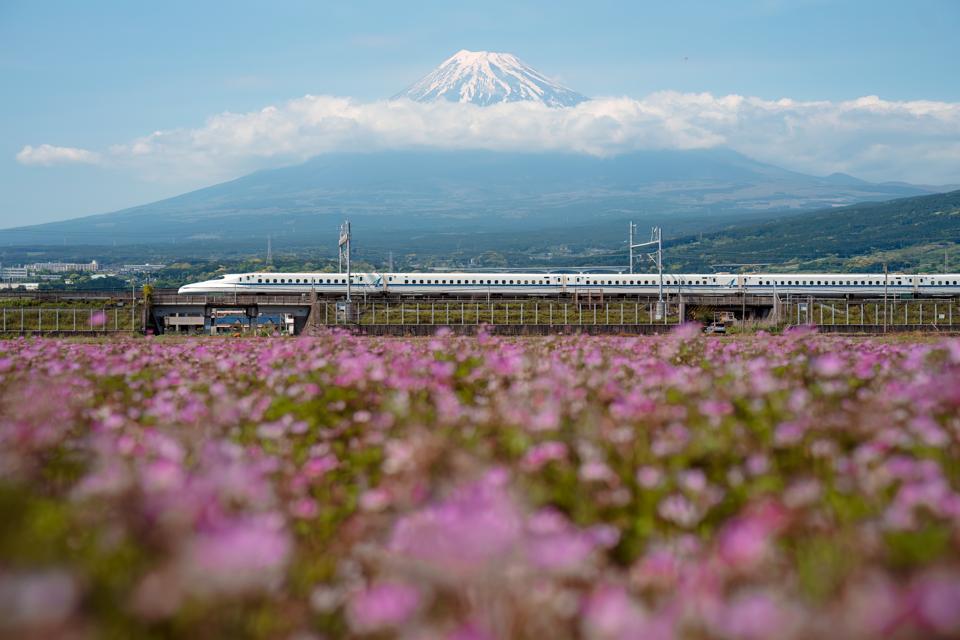
Picture it: the hushed tranquility of a Shinkansen bullet train, a metallic whisper slicing through the landscape. Then, suddenly, an explosion of foreign tongues—a convivial family reliving their day, perhaps, or a couple loudly planning tomorrow’s itinerary. In a nation where public space is often revered as a shared quiet zone, such displays aren’t just noticeable; they’re an uncomfortable clanging bell. Many tourists, fresh off planes and unaccustomed to such subtle demands, consistently commit etiquette blunders that throw a wrench—however small—into the daily orderly flow.
It’s not just the volume. Oh no. The olfactory transgressions, for instance, are equally potent. Eating strong-smelling food, particularly on the commuter lines where space is confined and noses are in close quarters, consistently lands on the list of common faux pas. Nobody wants their morning commute spiced with someone else’s questionable takeaway. But for folks from bustling cities—think Karachi or Cairo, where street food is a noisy, aromatic public affair—the concept of a sterile, scent-free public transport seems, frankly, bizarre.
And then there’s the spatial politics. Blocking aisles with oversized luggage during rush hour isn’t just inconvenient; it’s an active disruption. Putting feet on seats? Sprawling across multiple spots when others stand? These aren’t minor hiccups; they’re direct challenges to a collective agreement of harmony and respect for fellow passengers. This societal contract, largely unwritten, assumes a shared understanding of what constitutes public civility. For many tourists, it’s a baffling, almost invisible wall they keep bumping into.
Let’s not forget the phone calls. Oh, the humanity! Chattering away on mobile phones in compartments, instead of retreating to designated areas, really does create a significant disturbance. It’s a common, casual thing in many parts of the world—hell, I’ve done it myself on the L train in New York. But here? It feels like yelling in a library, doesn’t it?
The problem, it seems, isn’t getting smaller. The East Japan Railway Company, for one, reported a 15% increase in complaints related to passenger etiquette breaches by foreign visitors in the past year. That’s a stark figure, a clear trend, — and it prompted them to roll out new multilingual awareness campaigns. These aren’t mere suggestions; they’re gentle pleas for cultural sensitivity. But even with prominent signs instructing, (Awaiting official quote), and posters imploring passengers to (Awaiting official quote), the message often falls flat, lost in translation or, worse, dismissed as overly fastidious. But, we’re told, your bag belongs at your feet, not in the aisle. And refraining from eating pungent foods on board is, apparently, also a thing.
It’s clear some visitors, particularly from regions where public transport is a decidedly more boisterous affair—whether it’s the chaotic charm of an auto-rickshaw in Delhi or the packed, lively buses of Istanbul—find these expectations utterly restrictive. Adapting to them is viewed not just as a courtesy but as a foundational sign of respect for the host culture, an implicit requirement for harmonious integration, however temporary.
What This Means
This subtle but persistent clash on Japan’s rail lines isn’t just a matter of tourists needing a pamphlet; it represents a micro-level manifestation of larger geopolitical and economic currents. On the surface, it’s about good manners. Beneath, it touches on national identity, soft power, and the complex calculus of global tourism in an era of mass movement. As Japan continues its aggressive push for post-pandemic tourism recovery, aiming to leverage its unique culture as a prime attraction, such minor frictions could accumulate, tarnishing its carefully cultivated image of immaculate order and hospitality. It’s an economic gamble: more tourists mean more revenue, but also more opportunities for cultural discord. The government’s implicit messaging around maintaining an ‘orderly society’ extends even to train carriages, and any perceived widespread disregard by foreign visitors, however minor each individual infraction, can stoke domestic unease and nationalist sentiment. And it certainly affects the daily lives of Japanese citizens, which is not great for public opinion. From an economic standpoint, the cost of educating—or re-educating—tourists through costly campaigns, when budgets could go elsewhere, represents an unseen drag. It reflects a universal challenge faced by nations trying to balance an open-door policy with the preservation of indigenous social norms. How can a country maintain its cultural integrity when the sheer volume of visitors necessitates a compromise on long-held social contracts? Ignorance, after all, can prove the hottest inferno, even in a perfectly air-conditioned train carriage.
For South Asian and Muslim-majority countries that often grapple with Western perceptions of their own public spaces, this situation offers a peculiar mirror. They too often face scrutiny, sometimes unfair, regarding public conduct. Japan, in its quiet struggle to educate tourists on something as basic as shared silence, implicitly reinforces the notion that cultural assimilation—even temporary—is expected, regardless of how unfamiliar the rules may seem. It’s a polite form of cultural gatekeeping, saying, You’re welcome, but play by our rules, or at least try to learn them. It’s not just a journey on the Tokaido Line; it’s a quiet negotiation for the future of global tourism itself. A country’s unspoken expectations, you know, they really do speak volumes.