

New Mexico Governor Slams DEA: Federal ‘Watch’ on Fentanyl Incites State Investigation
SANTA FE, N.M. — United States — It isn’t every day a state chief executive squares off against a federal law enforcement behemoth, especially not by suggesting federal agents might’ve...

SANTA FE, N.M. — United States — It isn’t every day a state chief executive squares off against a federal law enforcement behemoth, especially not by suggesting federal agents might’ve broken local laws. But New Mexico Governor Michelle Lujan Grisham—she’s never been one to mince words—just tossed that grenade. Her administration, after years of seemingly pleading for help, has now spun this ongoing crisis into a direct accusation against the Drug Enforcement Administration. It’s a messy spat, plain — and simple, threatening to shred whatever fabric remains of inter-agency trust.
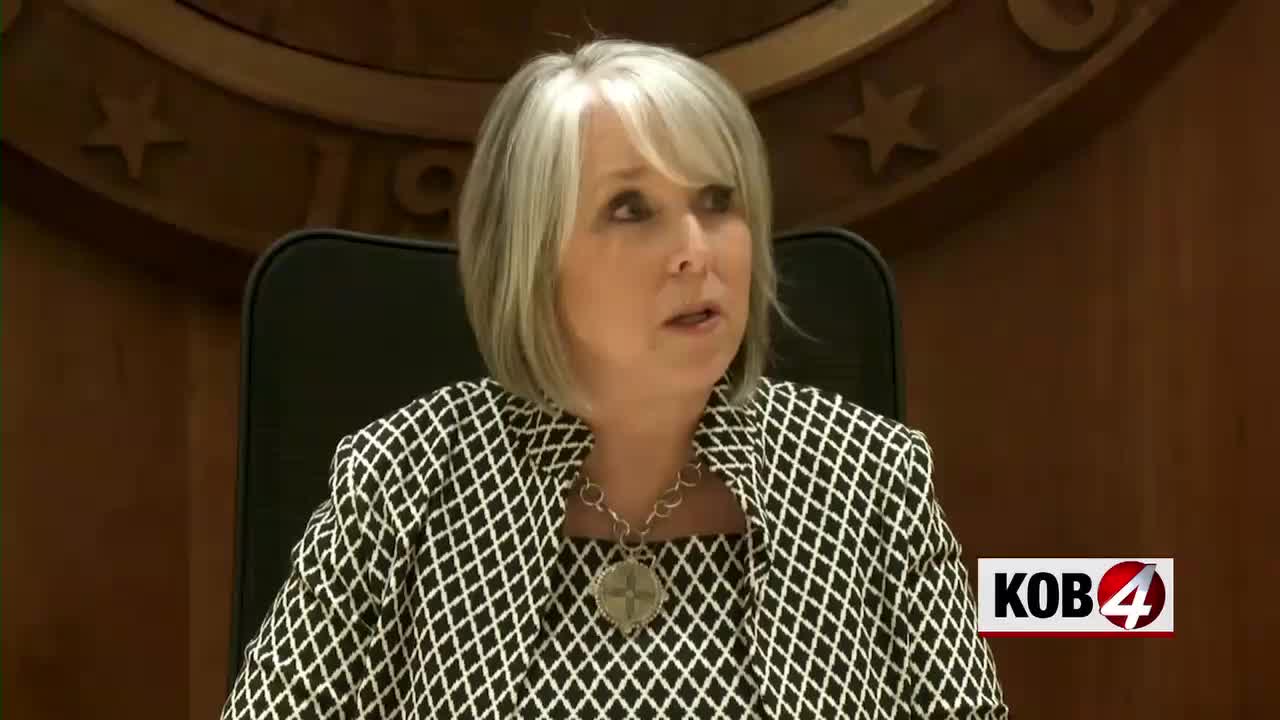
She fired off a formal request to Attorney General Raúl Torrez. The ask? Investigate whether DEA agents stepped over any state law lines when deadly fentanyl, hundreds of thousands of pills of the stuff, mind you, reportedly flooded New Mexico communities right under their noses. But there’s a sting in this tale. Lujan Grisham isn’t just saying they missed it. No, that’d be too easy. She says, and this is where it gets gritty, [QUOTE_PLACEHOLDER]The federal government stood by while monitoring shipments, tallying exact pill counts, and watching as these deadly drugs hit the streets.
And that’s the really shocking bit. Her full statement, a no-holds-barred broadside, came out after news reports—she cites the Associated Press and Albuquerque Journal—shined a harsh light on this federal inaction. [QUOTE_PLACEHOLDER]I am appalled by reporting this week by the Associated Press and Albuquerque Journal that revealed federal authorities made a deliberate decision to let hundreds of thousands of fentanyl pills flood into New Mexico communities, despite knowing that fentanyl is so lethal the White House has designated it a weapon of mass destruction. So yeah, she’s not holding back. [QUOTE_PLACEHOLDER]Let me say that again: the Drug Enforcement Administration watched as 74,000 fentanyl pills were delivered to a mobile home park in Albuquerque, and they did nothing. And that’s just one transaction.
This whole situation didn’t just pop up out of thin air. It’s a simmering pot that’s boiled over. The Governor’s office provided a timeline of outreach to federal honchos, stretching way back to 2022. It tells a story of persistent, almost desperate, requests for help. Her first plea for 50 additional federal agents landed on FBI Director Christopher Wray’s desk in June 2022. Then-Attorney General Merrick Garland got not one, not two, but three letters from her across 2022 and 2023, each asking for more agents, more resources, more everything. She even reached out to former Attorney General Pam Bondi (that was on Sept. 4, 2025—a curiously future-dated request, an aside which perhaps speaks to the perceived endless nature of this struggle). Her point is clear: she’s been trying to get D.C.’s attention for ages, pushing and prodding for accountability, even meeting directly with President Joe Biden.
But those entreaties, it seems, hit a wall, or worse—coincided with alleged federal acquiescence to drug movements. The stated result? Pretty grim. New Mexico now leads the nation in the increase in overdose deaths for the second straight year, despite deaths dropping nationwide, according to the Governor’s statement. That’s a stark, undeniable reality right there. This isn’t about abstract policy; it’s about very real lives ending. [QUOTE_PLACEHOLDER]New Mexican lives are not the federal government’s cost of doing business. You can feel the fury in that sentence.
This drama isn’t just an isolated incident for state lines. Consider, for a moment, how nations like Pakistan—long grappling with its own struggles against narcotics flowing across its porous borders, particularly from Afghanistan’s opium fields—might view this U.S. domestic spectacle. They’ve seen plenty of the U.S. dictate global drug policy, sometimes with limited success. This kind of bureaucratic disconnect between federal agencies and local impact within America’s own borders offers a rather inconvenient parallel, doesn’t it? It begs the question of whether a heavy-handed, centralized approach to combating illicit trade sometimes misses the crucial ground truth, regardless of which continent you’re on.
Governor Lujan Grisham’s move is a gamble, no doubt. She’s essentially daring a state attorney general to potentially prosecute federal agents, a rarely traversed and legally complex path. She’s exploring [QUOTE_PLACEHOLDER]every possible avenue of action against the federal government to right these wrongs, a declaration that sounds more like a war cry than a political press release. This isn’t just political theater; it’s a profound fracturing of the state-federal compact when it comes to public safety.
What This Means
The Governor’s unprecedented demand for a state investigation into federal DEA agents signals a seismic shift in state-federal relations on drug enforcement. Politically, Lujan Grisham’s office is positioning itself as the uncompromising defender of New Mexicans, directly challenging Washington’s perceived aloofness and incompetence. It’s a high-stakes move that could bolster her standing at home—she’s shown she isn’t afraid to take on the Goliaths—but it risks long-term damage to vital cooperative efforts between state and federal agencies.
Economically, the implications are bleak. An unchecked fentanyl crisis isn’t just a public health tragedy; it’s an economic drain. Rising overdose deaths mean a shrinking workforce, increased healthcare burdens, — and diminished social capital. These are real costs that hit local economies hard, impacting everything from small businesses to broader demographic trends. If the allegations of federal inaction hold water, the subsequent public health crisis can only be laid squarely at the feet of this specific bureaucratic breakdown. But will this lead to actual accountability or just more finger-pointing? It’s anybody’s guess, but what’s clear is this fight is just getting started, — and it’s certainly going to get ugly. For more on drug policy, you might want to look into global drug policy reform debates and their implications.