


The High Price of Diplomacy: Trump’s Omission on Slain Sailors Sparks Quiet Disquiet in Delhi
POLICY WIRE — Washington D.C. — It wasn’t the standard script, not by a long shot. After more than a year without a formal sit-down, you’d figure the pleasantries would stretch a little further—or at...

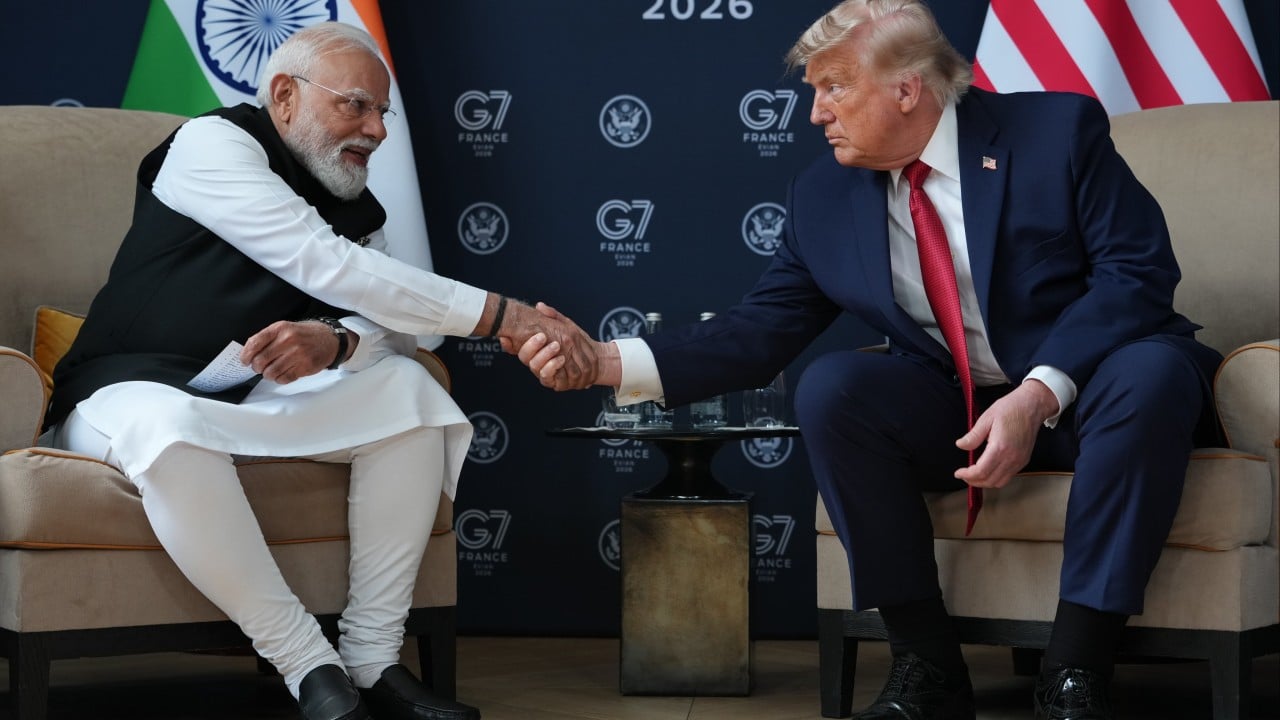
POLICY WIRE — Washington D.C. — It wasn’t the standard script, not by a long shot. After more than a year without a formal sit-down, you’d figure the pleasantries would stretch a little further—or at least deeper. Instead, when US President Donald Trump and Indian Prime Minister Narendra Modi finally huddled on a Wednesday, the elephant in the room—three deceased Indian sailors—barely got a nod. A rather abrupt acknowledgement, you might say, for a situation that claimed human lives, and for which American naval forces off Oman were decidedly central.
Modi, ever the statesman with an eye on both global optics and domestic sentiment, was reportedly looking for, well, more. You could almost feel the diplomatic chill creeping through the ornate rooms of Washington’s halls, even across the vast distance to New Delhi. The US President’s remarks post-meeting struck many as perfunctory, almost detached. Speaking to the media after their first bilateral meeting in 16 months, Trump said both Washington and New Delhi continue to “work together” on the issue, calling commercial vessel operations “a rough profession”. He actually just added, “I heard about that,” —without offering any condolences or [QUOTE_PLACEHOLDER]. Quite the icebreaker, wouldn’t you say?
This isn’t just some bureaucratic kerfuffle. This involves the brutal reality of international maritime commerce and, more broadly, the precarious human element underpinning it. Three families in India won’t see their loved ones again. Their tragedy, now reduced to a diplomatic footnote, suggests an underlying calculus where geopolitics trump human compassion. And it makes you wonder what sort of messaging gets picked up in other capitals across the globe.
For nations like Pakistan, for instance, a major supplier of merchant mariners to global fleets, this sort of disengagement doesn’t just pass unnoticed. Navigating the treacherous waters—both literal and metaphorical—of the Strait of Hormuz and the wider Arabian Sea means their citizens face identical risks. Incidents, sometimes deadly, aren’t new. But a lack of clear, direct sympathy from a major world power for a supposed ally’s citizens? That’s new, and frankly, a bit galling.
The Strait of Hormuz, that narrow, geopolitically charged choke point through which a fifth of the world’s petroleum flows, isn’t some placid pond. It’s a hot zone, always has been, what with Iran’s ever-present posturing. Military vessels from multiple nations crisscross paths with supertankers and container ships, creating a volatile, often deadly, cocktail. Per data from Lloyd’s List, incidents involving merchant vessels in the Gulf of Oman and surrounding waters saw a 40% increase in 2023 compared to the previous five-year average, reflecting heightened tensions. That’s a stark, bloody figure.
And yes, sailing a commercial ship is undeniably a tough gig. It’s not a desk job. Mariners face piracy, treacherous weather, equipment failures, and occasionally, getting caught in the crossfire of geopolitical machinations far above their pay grade. But labeling a fatal incident that ostensibly involved American forces simply a feature of “a rough profession” feels awfully flippant, bordering on insulting. It’s a dismissal, pure and simple. It minimizes the loss — and perhaps, intentionally or not, skirts accountability. Modi, of course, has to tread a fine line, needing US cooperation on many fronts, from trade to countering Beijing’s rising influence.
But how does a nation like India—with its own burgeoning naval ambitions and a significant diaspora of overseas workers—swallow such a pill? They’ve always prided themselves on their robust diplomacy, on ensuring their citizens abroad are protected, valued. This incident, — and Washington’s almost brusque response, dents that image, for both Washington and Delhi. And it certainly doesn’t help build bridges with other South Asian and Muslim-majority nations who routinely navigate these very same precarious shipping lanes.
The implicit message here? In the grand scheme of great power politics, individual human lives—especially those of working-class mariners from distant lands—can become expendable data points. It’s a bitter truth, and one that resonates deeply within the tight-knit global maritime community, where bonds are forged over months at sea.
What This Means
This episode is more than just a momentary diplomatic misstep; it’s a crack in the façade of burgeoning US-India camaraderie. It lays bare the transactional nature of some international relations, reminding us that even the most strategic partnerships have their breaking points when human cost meets political expediency. For Delhi, the lack of a proper eulogy, even a simple condolence from Trump, poses a significant political challenge. Modi’s domestic audience will scrutinize his ability to protect Indian interests, including the dignity of its citizens abroad. The government might find itself needing to undertake some very careful messaging to assuage public concern, particularly within a populace highly attuned to national pride and the welfare of its global workforce.
Economically, such perceived indifference can elevate risks for global shipping and crew insurers, especially for vessels originating from nations seen as ‘less protected.’ It certainly doesn’t make navigating contested waters any cheaper or safer. It also feeds into narratives from powers like China, always keen to highlight what they frame as Western hypocrisy or lack of regard for developing nations’ concerns—a dynamic always in play, particularly in regions like the Arabian Sea where Beijing is steadily increasing its footprint. The cold, hard truth is that America’s focus remains squarely on broader geopolitical objectives, sometimes at the expense of finer human sensitivities. For South Asia, for the Muslim world, and indeed for anyone watching, it’s a stark lesson in whose lives get privileged in the brutal ledger of global politics. But it also just reinforces a sense of shared vulnerability that often binds these nations, far more than distant declarations of partnership might.