

Beijing’s Discreet Maneuvers: How China’s Iran Calculus Reshapes Geopolitics
POLICY WIRE — Washington D.C., USA — Just when you thought the global script was etched in stone, the world’s political theater delivers a startling act: a US President commending China, of all...

POLICY WIRE — Washington D.C., USA — Just when you thought the global script was etched in stone, the world’s political theater delivers a startling act: a US President commending China, of all nations, for its quiet diplomacy in a Middle Eastern powder keg. Forget the usual rhetoric about trade wars and intellectual property; for a moment, Donald Trump didn’t just praise Beijing, he gave it a virtual pat on the back for keeping cool amidst escalating tensions between the US-Israel axis and Iran. It wasn’t just unexpected; it was a profound tremor beneath the surface of superpower rivalry.
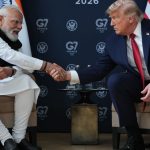
And it happened not in some hushed backroom deal but right out in the open, at the rarefied Group of Seven summit in Evian-les-Bains, France, on June 17. The sight of President Trump — he doesn’t do subtlety, does he? — openly crediting both Beijing and Moscow for [QUOTE_PLACEHOLDER]preventing a full-blown catastrophe felt… surreal. It was a stark departure from the narrative of constant friction, wasn’t it? The American leader mused about China’s capacity, observing that it “could have sent in an oil ship with six destroyers alongside of it, on each side” but instead, well, didn’t. This throwaway comment, almost an offhand remark, perfectly encapsulates Beijing’s intricate strategic play: power without explicit projection.
It’s a fascinating paradox. China, an ascending global force with a rapidly expanding naval capacity — its defense budget hit roughly $224 billion in 2023, second only to the U.S., according to data from the Stockholm International Peace Research Institute — chooses discretion over bravado in one of the world’s most volatile flashpoints. This isn’t about shyness. It’s a coldly calculated move to safeguard its economic lifelines without getting bogged down in messy military entanglements that promise little upside and potentially ruinous costs. They’re playing the long game, as they always do. But how does this restraint square with its growing regional ambitions?
Consider the broader context, particularly for nations like Pakistan, which sits uncomfortably close to both Chinese influence and Iranian energy needs. For Islamabad, Beijing’s pragmatic stance offers a flicker of stability in a neighborhood where chaos often reigns supreme. Pakistan has, for years, balanced complex relationships with Iran, given shared borders and historical ties, even while cultivating its iron-clad friendship with China, exemplified by the colossal China-Pakistan Economic Corridor (CPEC) initiative. Any overt military flare-up in the Strait of Hormuz, where much of its energy supplies transit, spells instant economic trouble. But if China’s not rocking the boat, neither is Pakistan’s largest benefactor.
Because ultimately, Beijing’s neutrality isn’t altruism; it’s commerce, plain — and simple. China needs that oil. The nation, as the world’s largest crude importer, still sources a significant portion—nearly 45% of its crude oil imports—from the Middle East, according to analysis by the International Energy Agency. Disruptions mean economic pain at home. For Pakistan, which is navigating its own tightrope with an economy often teetering on the brink, anything that signals greater stability in energy markets is a welcome development. It provides breathing room, something they desperately need as they wrestle with internal issues and external debt obligations.
But the ramifications stretch further. For Saudi Arabia and other Gulf states, who usually perceive China’s deepening presence in the Middle East with a wary eye, this restraint offers a curious kind of comfort. It suggests China isn’t looking to explicitly take sides or destabilize the current—however fragile—balance of power. It’s a nuanced dance, where Beijing maintains economic ties with Iran without alienating its massive oil suppliers elsewhere in the Arab world. And honestly, who expected such a masterful demonstration of strategic hedging from a power often painted as an antagonist?
It forces other regional players, like India, to re-evaluate their own positions. India, another major energy consumer in the neighborhood, also relies heavily on Middle Eastern oil and has maintained a delicate diplomatic balancing act with Iran and the U.S. Beijing’s quiet maneuvers underscore how interconnected — and complicated — these relationships have become. It’s no longer a simple bipolar world; it’s a multipolar chess game where everyone’s got their own agenda. Checkmate’s still a long way off. Sometimes, the most powerful move is the one you *don’t* make.
What This Means
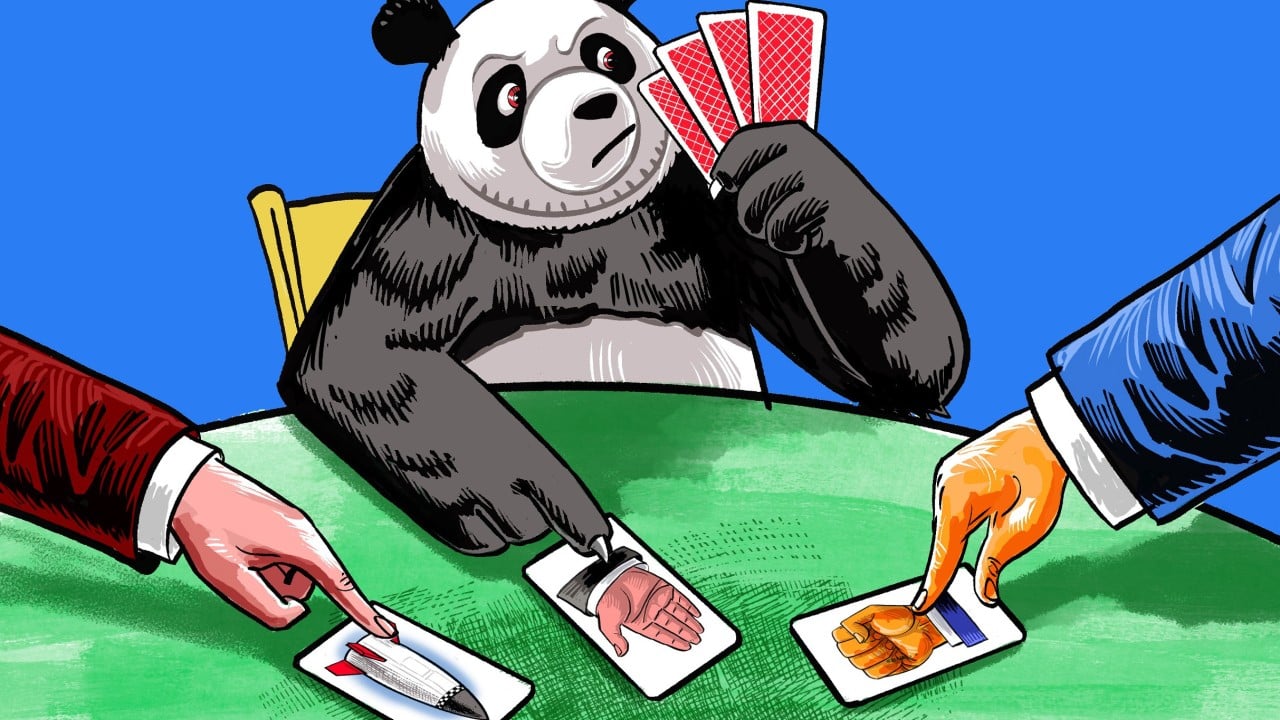
This isn’t just about a one-off presidential endorsement; it’s a profound signal about shifting global power dynamics. Beijing has effectively, and quietly, signaled its preference for stability in the Strait of Hormuz—critical for its economy—without overtly confronting either side. This allows China to present itself as a pragmatic, stabilizing force, even as it avoids the entanglements that have historically ensnared the West. It bolsters its soft power, particularly among nations in the broader Muslim world, including South Asia, who prioritize economic stability over ideological crusades.
Politically, it puts Washington in a curious spot: needing China’s tacit cooperation even as it frames Beijing as a strategic competitor. Economically, China strengthens its position as the ultimate shrewd negotiator, leveraging its market power to influence geopolitical outcomes without firing a shot. The implication? Expect more of Beijing’s calculated restraint—a strategy of leveraging economic heft over military might—in future flashpoints. It’s a new brand of Great Power play, a silent revolution really, one that the West hasn’t quite figured out how to counter yet. This approach won’t just redraw maps; it’ll redefine what ‘power’ actually means in the 21st century.