


Endgame for Scotland: World Cup Dreams Dim Amidst Global Sporting Calculus
POLICY WIRE — Miami, USA — It wasn’t the roar of victory, nor even the customary sting of outright defeat, but the lingering, stomach-churning agony of ‘maybe’ that hung heavy over...

POLICY WIRE — Miami, USA — It wasn’t the roar of victory, nor even the customary sting of outright defeat, but the lingering, stomach-churning agony of ‘maybe’ that hung heavy over the Scottish contingent as the final whistle blew in Miami. Not the immediate end, but the agonizing crawl towards an inevitable statistical reckoning. For a nation that knows its fair share of sporting heartbreaks, this particular variety, a deferred sentence passed down by cold algorithms, seems almost cruelly calibrated.
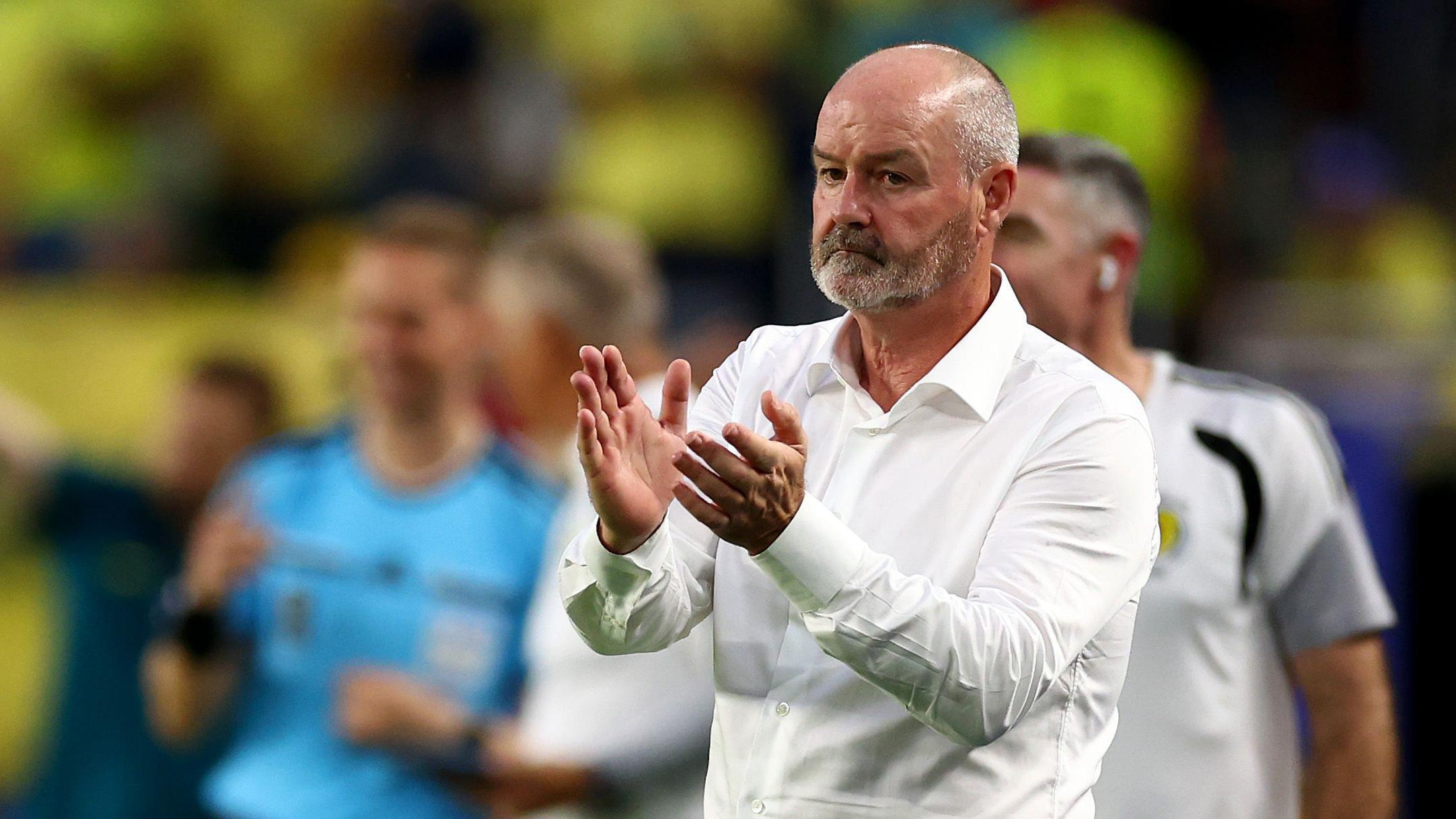
Coach Steve Clarke’s squad, already reeling from a 3-0 shellacking by a clinically efficient Brazil, now finds itself trapped in the purgatorial waiting room of Group C’s third-place hopefuls. They needed just a single point against the South American titans; instead, they got a masterclass in how to concede. Their World Cup campaign, for all its early promise, is now dependent on the benevolent outcomes of half a dozen other contests across distant pitches. That’s a position no serious outfit wants to be in. No one.
The mood was grim. Bursty. You could cut the air with a blunt knife. Midfielder John McGinn didn’t mince words post-match. “Look, we emptied the tank, we truly did,” McGinn muttered to BBC Sport, his voice hoarse, a hint of genuine pain. “But the quality… that’s where we came up short. It’s tough, really tough. And yeah, I s’pose it’s unlikely we’ll get that lifeline.” A brutal admission, even if universally acknowledged.
Because let’s be frank, Opta’s post-game calculation — putting Scotland’s qualification chances at 42% — felt less like a beacon of hope and more like a cruel decimalized taunt. Steve Clarke, a man whose tenure has brought moments of genuine pride, looked utterly spent. “You give them an inch, they take a mile,” Clarke flatly stated, a manager resigned to the grim arithmetic of global football. “We handed them those goals, essentially gave them the game blueprint. So yeah, I’d say we’re probably packing our bags.” There’s no poetic flourish there, just blunt, painful truth.
The sequence of defensive lapses was particularly galling. Scott McKenna caught flat-footed. Vinicius Jr. strolling past Angus Gunn with insolent ease. A cross poorly judged, another nod home by the same Brazilian. And then the third, a capstone to a night where Scotland huffed — and puffed, only to find itself hopelessly outclassed. It’s a familiar script for long-suffering fans, and this version played out with a special kind of languor under the Miami lights. What an anticlimax.
Yet, the grand narrative of the World Cup doesn’t pause for Scottish tears. It’s a relentless, money-spinning juggernaut that rolls on, indifferent to individual dreams dashed. This tournament, like so many global spectacles, often obscures its geopolitical undercurrents behind a veil of sport. But dig a little, and you’ll find everything from diplomatic squabbles over visa regimes to massive infrastructure investments in host nations—all bundled under the banner of “national pride.” It’s big business. Huge, in fact. (The kind of business that draws billions of eyeballs, as detailed in our analysis of the Mega World Cup’s geopolitical impact.)
And it’s a spectacle understood the world over. You don’t need to speak English, or even know the rules of rugby, to grasp the sheer anguish on McGinn’s face. It’s a universal language. From the streets of Karachi, where passion for cricket often overshadows football but World Cup fever still flickers, to the bustling bazaars of Islamabad, where a fleeting escape from everyday challenges through sports is a common desire, the human drama of competition resonates. The hopes, the bitter defeat, the blame games—it’s a script replayed on countless screens across South Asia and the broader Muslim world, sometimes with even higher emotional stakes attached to the outcome, considering the economic and social ripples a major sporting event can create. It offers, at least momentarily, a collective breath, or a collective sigh. Often, it’s the latter.
What This Means
This isn’t just about football. For a nation like Scotland, competing on such a prominent global stage carries an immense, if intangible, weight of identity. A deep run in a tournament offers a powerful, albeit temporary, surge in national morale and, crucially, international visibility. This year, any significant economic bumps or diplomatic leverages gained from a prolonged presence will be lost. Culturally, it’s a deflated ballon. Because when your national team crashes out early, the buzz dies down. Funding for grassroots sports might face stiffer challenges. The global ‘brand’ of Scotland, for however fleetingly it’s boosted by sports, takes a hit.
Politically, while not a referendum-shifting event, it quietly contributes to the national mood, potentially deepening frustrations at perceived national shortcomings—whether those are in sports or wider governance. It becomes another subtle layer in the ongoing conversation about Scottish self-determination, competence, and global standing, particularly within the UK. But, as with all things, the sun will rise. But for the Tartan Army, it’s a cold morning.