


Cabin Chaos: Passengers Intervene After Pilot’s Mid-Flight Emergency, Rending Air Safety Norms Bare
POLICY WIRE — Dubai, UAE — One moment, the rhythmic drone of jet engines was a lullaby; the next, it was the ominous soundtrack to an unfolding drama. Far above the ordinary hum of life, within the...

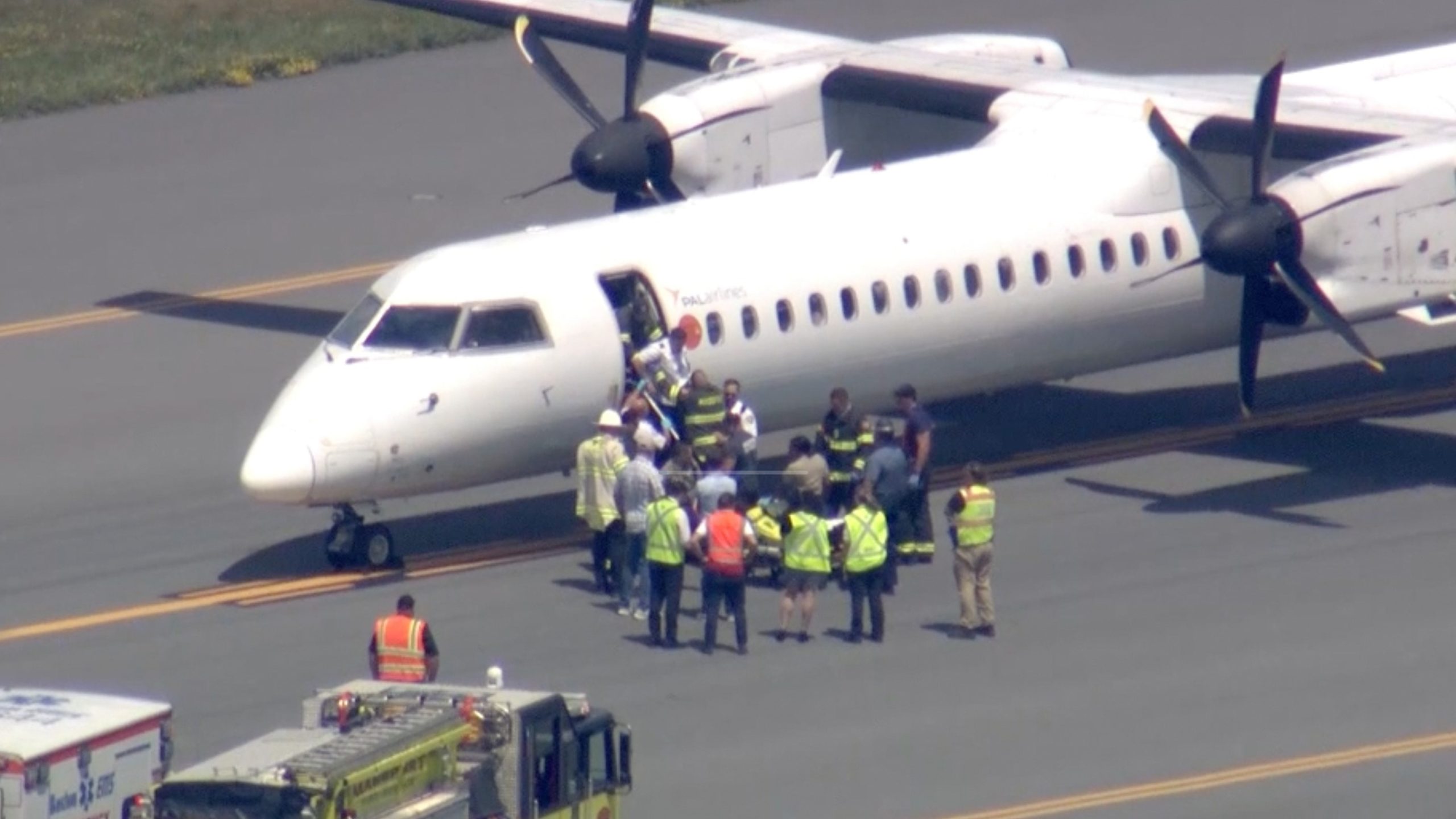
POLICY WIRE — Dubai, UAE — One moment, the rhythmic drone of jet engines was a lullaby; the next, it was the ominous soundtrack to an unfolding drama. Far above the ordinary hum of life, within the pressurized aluminum tube of a commercial aircraft, a scene unfolded that, for a group of unsuspecting passengers, peeled back the comforting veneer of automated travel to reveal raw human vulnerability. They didn’t sign up for an in-flight role in emergency protocols, yet suddenly found themselves restraining a pilot mid-journey—an almost unimaginable disruption to the serene ballet of modern aviation.
It’s not every day you witness the person responsible for hundreds of lives suddenly become incapacitated. And it certainly isn’t standard procedure for travelers, packed in their seats, to step in as ad-hoc air traffic controllers, though that’s precisely what occurred. The incident, characterized by one observer as `on ‘terrifying’ flight` through social media posts, paints a stark picture of contingency planning meeting its limits. Who’s truly in control when the seemingly infallible human element at the controls falters? The answer, it seems, can be a collection of brave, bewildered civilians. [QUOTE_PLACEHOLDER]
Details remain sparse from official channels, yet the fundamental shock waves reverberate beyond the flight path. For every meticulously documented flight plan, every dual-pilot cockpit, there’s an inherent trust placed in the resilience of human health. But sometimes, despite stringent medical checks — and operational redundancies, the unpredictable strikes. Imagine being 30,000 feet up, looking forward to perhaps a brief respite in Istanbul or an onward connection to Karachi, and then watching the cockpit door become a portal to a medical emergency. Passengers became instant, unwilling first responders.
But the ramifications for the airline industry, particularly in rapidly expanding markets like those connecting the Gulf states with South Asia, are significant. Airlines across the Muslim world and Asia—where air travel is booming, creating immense pressure on pilot recruitment and retention—rely heavily on robust safety records to sustain growth. Pakistan International Airlines (PIA), for example, has faced its own historical challenges with air safety and has worked to regain international trust. An incident like this, regardless of carrier, inevitably casts a shadow, however fleeting, over public perception globally.
It’s not about culpability; it’s about the stark reminder of frailties. A pilot’s job isn’t just about technical skill; it’s an immense psychological — and physiological burden. The average flight deck officer undergoes rigorous, frequent medical assessments—usually every six months for commercial pilots over 60, according to regulations set by bodies like the European Union Aviation Safety Agency (EASA). Yet, even with these safeguards, acute, unforeseen events can, — and evidently do, occur. These are the moments when all the backup systems are called upon, both mechanical and, in this case, human.
This event isn’t an isolated anomaly in the grand scheme of aviation history; incidents of pilot incapacitation, while rare, do happen. It’s a testament to protocol that most often, the co-pilot or even flight attendants trained in first aid can manage the immediate aftermath. Here, the situation evidently escalated to a point where passengers felt compelled to act. Their heroism, born of sheer necessity, isn’t something you learn from an emergency exit instruction card.
And these events always make you wonder: what was the last straw? What sequence of small details led to that single, terrifying moment? It’s not a critique, it’s just the raw curiosity of the public, which finds itself momentarily peering behind the polished, professional curtain of air travel. Because the public’s faith in aviation—a foundation of modern global commerce and cultural exchange—depends on an unflinching commitment to safety, visible and invisible.
It’s also a stark reminder of the broader pressures on flight crews everywhere. Long hours, unpredictable schedules, — and the sheer responsibility they carry can take a toll. This incident could lead to increased scrutiny on the health and welfare of pilots, prompting discussions beyond mere physical checks. You’ve got to ensure the folks flying your planes aren’t just physically fit, but also mentally robust. A tired or stressed pilot, after all, is a vulnerability.
What This Means
The immediate political and economic fallout of an isolated mid-flight medical emergency is usually negligible, confined primarily to the involved airline’s reputation and potential, minor litigation. But what incidents like this expose are systemic questions about global aviation’s rapidly evolving landscape. The growth in air traffic, particularly connecting burgeoning economies like those in South Asia to the wealthy Gulf states, has intensified demand for experienced aircrews. The industry walks a tightrope, balancing cost pressures against the uncompromising imperative of safety. While individual bravery averted disaster here, the broader implication is that the ‘human factor’ remains the final, and most unpredictable, safety net. This type of extraordinary passenger intervention points to a fragility in our automated systems, compelling policymakers to consider new protocols—not just for managing crew health but for enhancing communication with cabin crews and, yes, even prepared, responsible passengers, because, let’s be frank, that human element is pretty resilient when it counts. It’s a wake-up call, nudging authorities to re-examine not just cockpit procedures, but the wider ecosystem of stress, fatigue, and wellness among their most critical personnel. Policymakers, especially in nations navigating complex global shifts and diplomatic challenges, understand that public confidence in basic infrastructure—like reliable air travel—is indirectly tied to overall stability, sometimes even resembling the intricate challenges of resolving a diplomatic deadlock that requires unexpected interventions to find a solution. Much like how a robust military re-evaluation can draw unexpected crowds, any serious re-assessment of pilot welfare or airline protocols draws attention.