


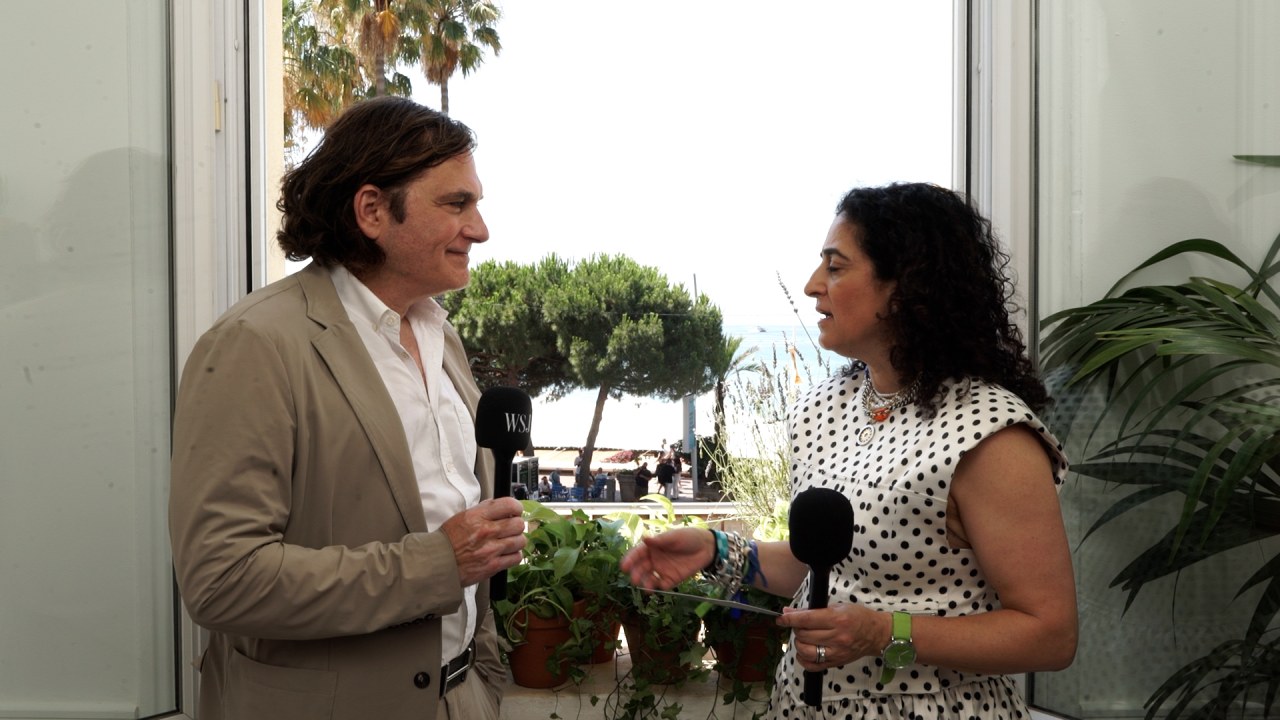
The Perilous Pursuit of Trust: A Marketing Chief’s Ecosystem Quandary
POLICY WIRE — New York, USA — Trust, it appears, isn’t a commodity earned anymore; it’s a strategically constructed narrative, meticulously packaged and sold by those who know a thing or...

POLICY WIRE — New York, USA — Trust, it appears, isn’t a commodity earned anymore; it’s a strategically constructed narrative, meticulously packaged and sold by those who know a thing or two about market positioning. Not that you’d expect a purer definition from Madison Avenue types. We’ve witnessed — often with a grimace — the relentless effort by media organizations to define, and redefine, their relationship with the public, even as that public’s skepticism only seems to deepen.
It’s an interesting pivot, to frame the nebulous concept of public faith as an ‘ecosystem’— a buzzword so common it’s lost all meaning, like ‘synergy’ before it. The chief marketer at FOX News Media recently addressed this very concept: [QUOTE_PLACEHOLDER]. One imagines, or perhaps grimaces at the thought, an expansive flowchart outlining the various interconnected departments all working in concert to foster this elusive ‘trust’ — never mind the audience actually feeling it.
And let’s be candid, the pursuit of public trust isn’t just about ratings or subscriptions anymore; it’s a whole other ballgame. It’s about perception management in an era where information — or misinformation — travels at light speed. Consider a region like South Asia, where the stakes of media credibility are profoundly higher, less about advertising dollars and more about geopolitical stability. For example, nations like Pakistan grapple with a perpetually fractured media landscape, where local news outlets often reflect entrenched political divides and foreign narratives compete fiercely for legitimacy. This isn’t just about consumer loyalty; it’s about national identity and, at times, sheer survival.
Because, really, when you’re talking about ‘building an ecosystem rooted in trust,’ you’re really talking about controlling the narrative, aren’t you? It’s about establishing feedback loops where audience engagement reinforces predefined perceptions, rather than challenging them. It’s a well-trodden path, — and frankly, a clever one. It moves the conversation away from the content itself and onto the architecture around it—the framework of ‘trust.’ As if the container makes the liquid inside wholesome.
The average American, according to a recent Statista report from early 2023, shows a statistically significant decrease in trust in mass media since 2016, dropping from 41% to 32% (though this did tick up slightly from a 2020 low of 30%). Those numbers, while broadly applicable, don’t just happen. They’re a culmination of sustained efforts—or lack thereof—by organizations to engage, or disengage, with their audiences. It’s a tricky tightrope, navigating partisan divides while simultaneously professing to be the standard-bearer of accuracy. We’re often told these entities are [QUOTE_PLACEHOLDER], and then, simultaneously, that their viewership statistics are a ‘demonstration’ of their widespread appeal and credibility. There’s a subtle sleight of hand there, shifting from an ideal to a self-validating outcome.
But back to this ‘ecosystem’ concept. It’s the kind of jargon designed to make a messy reality sound organized, perhaps even noble. It implies a natural, symbiotic relationship, when in fact, these media behemoths are often highly engineered machines with very specific objectives. It’s not a garden growing organically; it’s a perfectly manicured bonsai tree, meticulously shaped to present an image of serenity while its roots are bound.
And this isn’t solely an American phenomenon. Think about the influence of global media giants across the Muslim world. Whether state-sponsored channels or international news powerhouses, they’re all vying to establish a similar sense of foundational belief in their reportage, often tailored to specific cultural or political leanings. This plays out acutely in complex information battlegrounds. Take, for instance, the geopolitical maneuvering often characterized as shadow games, where Washington grapples with Pakistan’s precarious geopolitical balance — media narratives become weapons, and trust, or its perception, is the armor.
There’s a curious duality at play when media marketers articulate their vision. They often speak of transparency and authenticity while simultaneously employing sophisticated psychological techniques to fine-tune messaging. It’s an interesting high-wire act, particularly for a news organization known for its distinctly ideological slant. They must maintain a semblance of objective authority, even as their programming consistently reinforces a particular worldview. It’s marketing’s ultimate paradox: to appear genuine by being acutely, artfully strategic.
What This Means
This relentless focus on constructing a ‘trust ecosystem’ speaks volumes about the modern media’s self-awareness — or rather, its hyper-awareness of its own declining credibility. It signals a shift from simply reporting news to actively managing perception, positioning ‘trust’ as a brand attribute rather than an intrinsic byproduct of ethical journalism. For audiences, especially in politically charged environments globally, this means exercising greater scrutiny over the very structures presenting information. It’s no longer enough to question the message; one must question the motivations and mechanics behind the messenger’s entire operational philosophy. It’s an admission that the old ways of simply earning trust through consistent, verifiable reporting have become, in certain circles, an insufficient, perhaps even quaint, strategy. Expect more elaborate, carefully curated narratives around credibility, rather than necessarily more actual, unbiased journalism. The economic implication? A continued fragmentation of media, where highly tailored ‘trust ecosystems’ serve increasingly narrow demographics, further solidifying ideological divides rather than bridging them. It’s about securing loyalty, plain — and simple.