

Caracas Tremors: Earthquakes Shake Venezuela, Exposing Deeper Fractures
POLICY WIRE — Caracas, Venezuela — The earth moved, and for a population already living on precarious ground, the jolt was more than just seismic. It was a brutal reminder of just how fragile things...

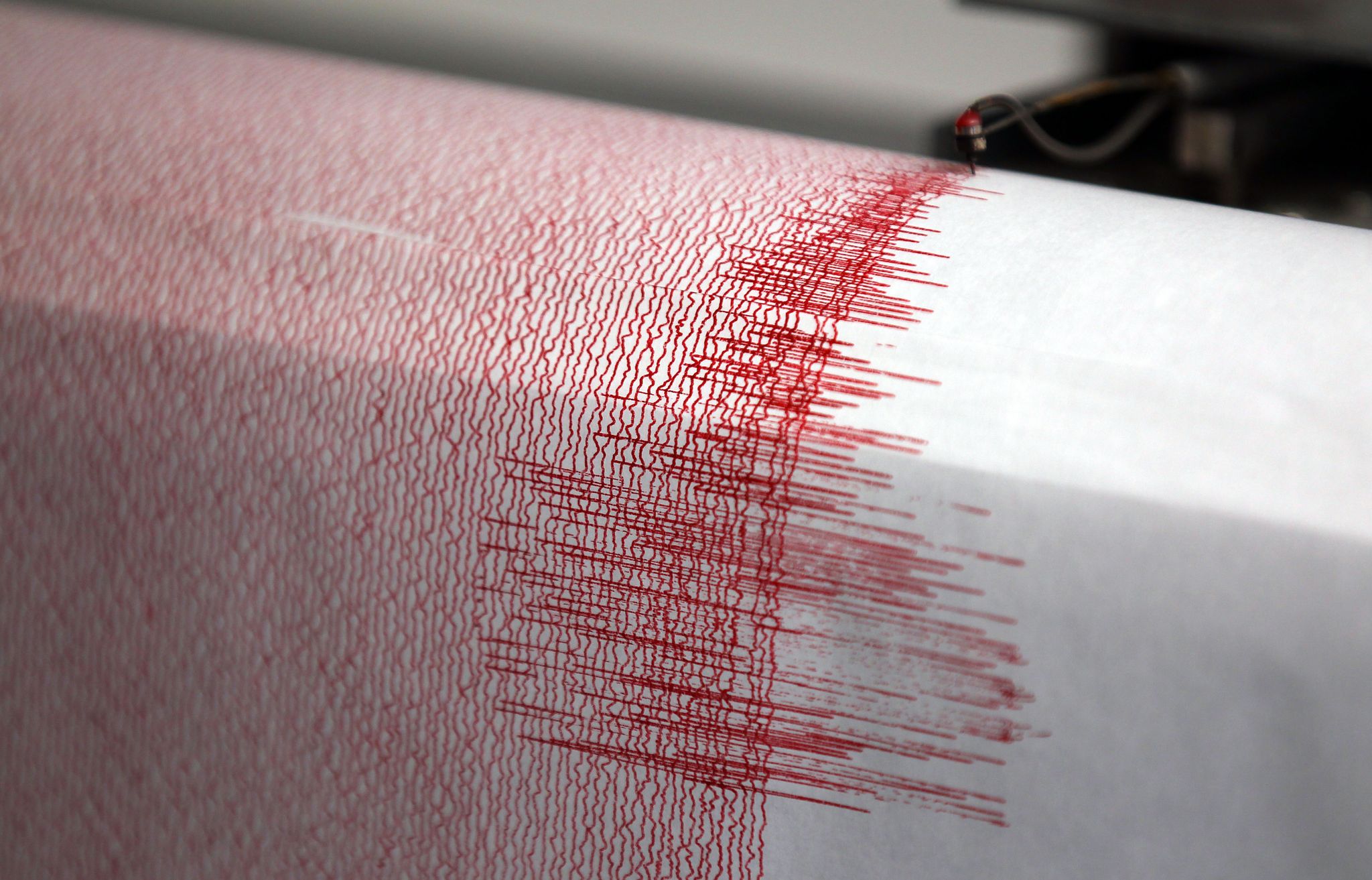
POLICY WIRE — Caracas, Venezuela — The earth moved, and for a population already living on precarious ground, the jolt was more than just seismic. It was a brutal reminder of just how fragile things truly are. Broken windows, splintered walls, a deep rumble that sent families spilling onto the streets in the dead of night—that’s how it started. Only then, with dawn filtering through the dust, did the official pronouncement arrive: Venezuela declares emergency.
It wasn’t merely the Richter scale that felt the strain. This latest episode in Venezuela’s ongoing drama lays bare the systemic vulnerabilities haunting a nation perpetually teetering on the edge. The immediate impacts—infrastructural damage, displaced families—are painful, sure. But it’s the context, the pre-existing conditions, that truly give this crisis its bite. You see, the ground was already shaky, long before the fault lines moved. Years of economic contraction, a crippling inflation rate, and international isolation have stripped down the nation’s resilience to almost nothing. Every new shock, therefore, doesn’t just damage buildings; it peels away another layer of what little stability remains. [QUOTE_PLACEHOLDER]
The extent of the physical destruction caused by these tremors remains in assessment, but early reports indicate major damage across several key regions. Schools, hospitals, — and residential complexes have taken hits. This isn’t just about repairing bricks — and mortar, either. It’s about rerouting essential services, finding shelter for the newly homeless, and ensuring food security in areas where supply chains are already delicate. The government, quick to mobilize disaster response teams, now faces a monumental task—and it’s doing so with a state apparatus already stretched impossibly thin.
And for President Nicolas Maduro’s administration, this latest challenge couldn’t have come at a worse time. With elections looming—whenever they may actually materialize—and international pressure intensifying, the regime is scrambling to project an image of control and competence. The sight of people rummaging through rubble or lining up for emergency supplies doesn’t exactly scream stability. Because when an economy is contracting year-on-year for a decade, as Venezuela’s has, the margin for error just vanishes.
Globally, such natural disasters often highlight disparities in response capabilities, often along a stark North-South divide. Consider the aftermath of the devastating 2005 Kashmir earthquake, for instance, which saw extensive international aid pouring into Pakistan and surrounding regions. Venezuela, however, sits in a very different geopolitical space. Its relationship with Western powers, particularly the United States, is strained to breaking point. This means that while immediate humanitarian assistance may filter in through NGOs or aligned nations, a broader, coordinated international recovery effort akin to those seen in more politically agreeable locales might prove a considerably heavier lift. Diplomatic considerations often unfortunately overshadow immediate human suffering, it seems. And that’s a tough pill to swallow when you’ve just lost your home.
But the comparison isn’t solely about aid; it’s also about urban planning — and infrastructure. Nations in seismic zones, from Latin America to South Asia, wrestle with similar problems: older structures not built to modern codes, informal settlements mushrooming in vulnerable areas, and governments struggling with limited resources for retrofitting or new, resilient construction. According to a recent UN-Habitat report on urban resilience, approximately 60% of all structures in Caracas’s informal settlements are built with insufficient seismic reinforcement—a hard statistic pointing to a preventable tragedy in waiting.
It’s an acute humanitarian situation demanding rapid intervention, yet it’s interwoven with intricate political considerations both at home and abroad. How the government manages this crisis, whether it can leverage this moment for unity or whether it simply becomes another crack in its diminishing authority, remains to be seen. You can bet eyes are watching, domestically and internationally, trying to gauge just how much more stress this system can take before something truly snaps. One can only hope that for the millions affected, compassion wins out over the usual geopolitical maneuvering.
What This Means
This emergency declaration goes far beyond immediate relief efforts; it’s a profound political test for an administration already navigating a minefield. Economically, the added cost of recovery will exacerbate an already dire fiscal situation. Expect increased calls for international assistance, but also anticipate that any such aid will come with political strings, potentially further complicating Venezuela’s sovereignty narrative. For the Venezuelan populace, it means increased hardship, displacement, — and a deeper sense of precarity. Politically, the government’s response will either bolster or diminish its legitimacy. A swift, transparent, and effective handling of the disaster could—ironically—offer a rare opportunity to regain some lost public trust. Failure, on the other hand, risks pushing an already frustrated population further towards despair, potentially sparking renewed social unrest in a nation already ripe for it. It could also provide external actors with additional leverage, perhaps prompting a renewed push for political concessions in exchange for long-term recovery support. This event, despite being an act of nature, could very well become a catalyst for significant political and social shifts in a region frequently overshadowed by economic and political volatility.