


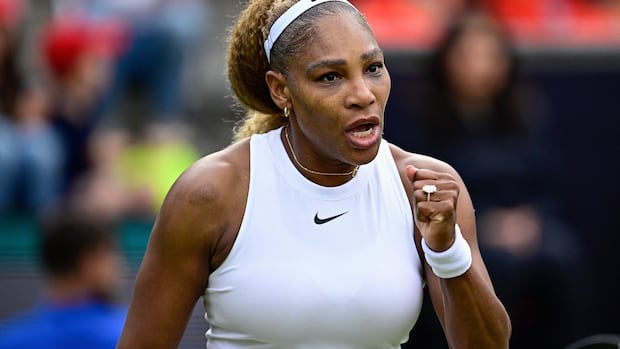
Tennis Icon Serena Williams Poised for Singles Comeback at Wimbledon After Wildcard Grant
POLICY WIRE — The tennis world is abuzz following confirmation that American titan Serena Williams will make a striking return to singles play at the upco...

POLICY WIRE — The tennis world is abuzz following confirmation that American titan Serena Williams will make a striking return to singles play at the upcoming Wimbledon championships. Her entry into the tournament was solidified on Sunday, courtesy of the final wildcard granted by the All England Club.
This development marks a significant moment for the sport, as Williams — widely recognized as one of the greatest athletes of all time — prepares to grace the grass courts of SW19 once more. The All England Club’s decision ensures that the legendary figure will have an opportunity to compete in a major tournament after a period away from professional singles tennis.
Williams, who has amassed a remarkable 23 Grand Slam singles titles over her illustrious career, had not played a singles match since her premature exit from Wimbledon a year ago due to injury. Her absence from the tour had led to widespread speculation regarding her future in the sport, with many wondering if she had quietly concluded her competitive journey. The wildcard announcement definitively puts those conjectures to rest, at least for the immediate future.
Wildcard entries are typically awarded by tournament organizers to players who might not otherwise meet the direct entry criteria, often due to rankings or recent inactivity. While these invitations are frequently extended to promising local talent or players returning from long-term injuries, offering one to a figure of Williams’s stature, though somewhat unconventional given her career phase, underscores the immense pull and enduring appeal she possesses within the sport. It also reflects a desire to ensure the draw features as many high-profile players as possible, boosting audience engagement and competitive excitement (Reporting based on wire reports).
Her last appearance at the storied tournament ended abruptly after suffering a leg injury during her first-round match in 2021. Since then, her public focus had shifted more towards her various entrepreneurial ventures — and family life. This return to professional tennis is, therefore, a stark reminder of her competitive spirit and enduring desire to vie for major titles.
At 40 years old, Williams continues to defy conventional timelines for professional athletes, particularly in a sport as physically demanding as tennis. Her pursuit of a record-equalling 24th Grand Slam singles title has been a significant narrative thread in recent years. This Wimbledon entry provides her with another attempt to match Margaret Court’s all-time record, adding considerable intrigue to an already prestigious event.
The anticipation around her participation is palpable. Her mere presence in the draw promises to elevate interest in the women’s singles competition, drawing attention from across the globe. Tennis fans and analysts alike will be keen to see how the veteran champion performs after such an extended hiatus, and whether she can recapture the form that made her virtually unplayable for long stretches of her career.
What This Means
Serena Williams’s wildcard entry into Wimbledon is more than just a player addition; it’s a significant event for the tournament and women’s tennis. Her presence guarantees a boost in viewership — and media attention, providing a star quality that few others can match. For Wimbledon, securing her participation likely ensures higher ticket sales and broadcast ratings, reaffirming its status as a premier global sporting event.
For Williams herself, this could be an indication of her renewed commitment to the sport, even if on a more selective basis. It signals her unwillingness to conclude her career without a final, impactful statement, potentially driven by the pursuit of that elusive 24th Grand Slam title. However, the path to a major championship after a year-long break at her age is inherently challenging, raising questions about her current fitness level and match sharpness.
The implications for her legacy are also noteworthy. A deep run at Wimbledon, or even an unlikely title, would further solidify her status as one of history’s most resilient champions. Conversely, an early exit would do little to diminish her past achievements but might prompt further discussions about the optimal timing for a legendary career to draw to a close. Regardless of the outcome, her return ensures that this year’s Wimbledon will carry an extra layer of narrative excitement, compelling a global audience to watch her next chapter unfold on tennis’s most hallowed grass courts.