


Iran Praised Pakistan for Diplomacy Again
The comments made by the President of Iran, Masoud Pezeshkian, appreciating the role of Pakistan in mediating talks between Iran and the US underscores the increasing diplomatic influence of...

The comments made by the President of Iran, Masoud Pezeshkian, appreciating the role of Pakistan in mediating talks between Iran and the US underscores the increasing diplomatic influence of Islamabad in regional affairs. Addressing the Interior Minister of Pakistan, Syed Mohsin Naqvi in Tehran on 21 June, Masoud Pezeshkian spoke about how Pakistan played a constructive and responsible role in facilitating talks which resulted in a ceasefire and further negotiations between Tehran and Washington. This is quite an important statement from Iran’s perspective considering the rising tensions in the region.
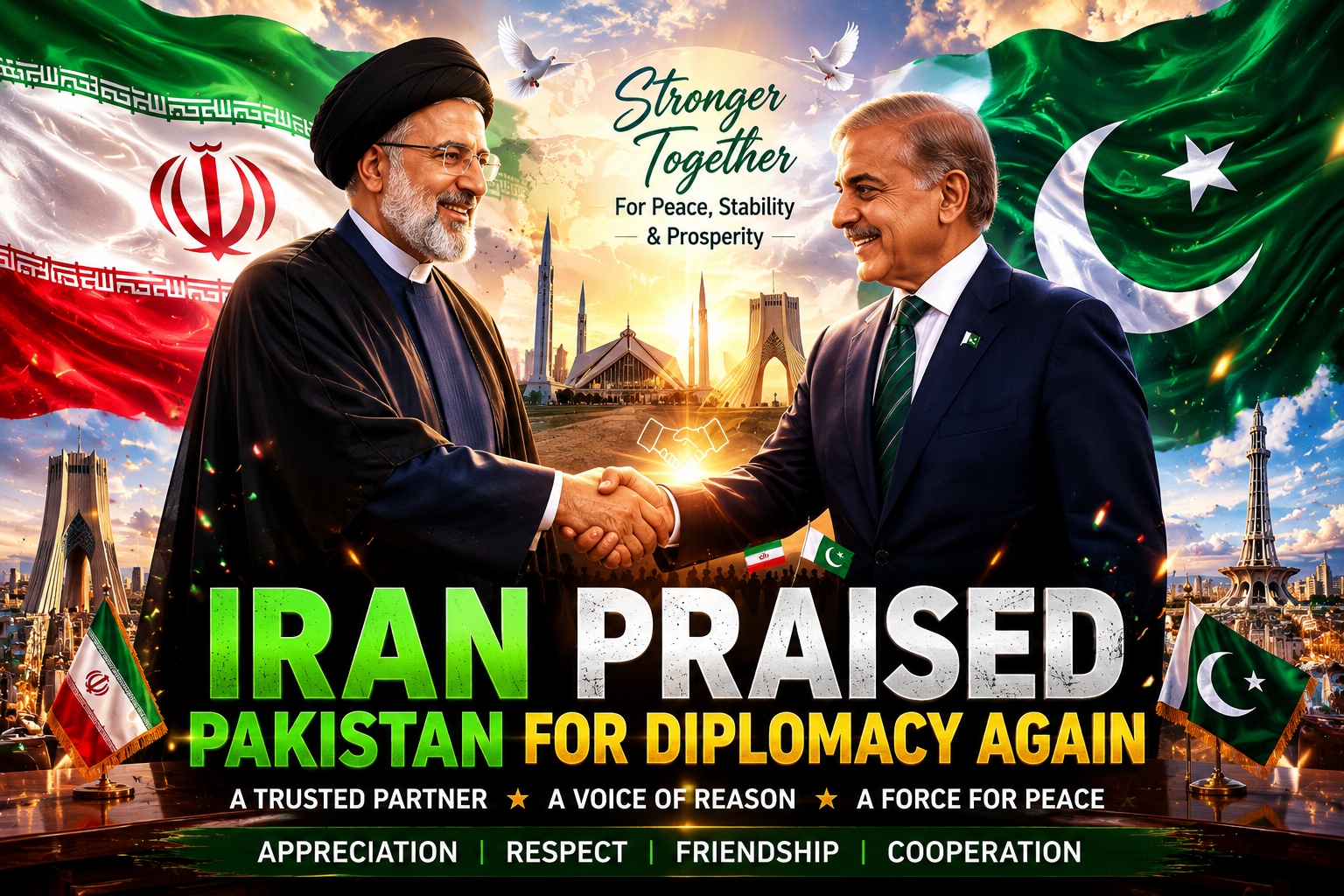
The role of Pakistan in Iran-US diplomacy did not happen all of a sudden. In the last few months, Pakistan has been very active in keeping itself in close contact with both the countries at a time when they have been engaged in military confrontations and diplomatic deadlocks. The Iranian side has also appreciated the attempts of Pakistan to keep diplomacy alive and work for cease-fires.
In addition to diplomatic considerations, the conference stressed the economic aspect of Pakistani-Iranian relations. According to Pezeshkian, enhancing bilateral cooperation is a priority for both countries and indicated the existence of great untapped economic potential for the development of cooperation in such areas as trade, investment, infrastructure, agriculture, industry, and finance. The choice of sending a high-level delegation of Iran to Pakistan shows the desire of both countries to transform political good intentions into concrete economic cooperation. This may bring benefits for both sides and enhance regional connectivity.
In case of Pakistan, the diplomatic recognition by Tehran provides a number of benefits. First, it adds to the reputation of Islamabad as a responsible player of the region who can play an important role in mediating the conflicts between rival players. Second, it gives chances for Pakistan to increase economic involvement with Iran in those fields where collaboration could be more than what has been achieved so far.
Yet there are issues that have to be faced. Iran-US relations are still colored by strategic differences, and future deteriorations in these relations will hinder the success of external mediation. In the same way, Pakistan will have to tread softly between its ties with Iran, the US, and its Gulf allies without getting involved in regional rivalries.
However, the statements made by Pezeshkian are more than a mere gesture of courtesy. It is also an indication of Iran’s appreciation of Pakistan as an important player in regional stability and as a potential mediator in resolving differences. Expansion in economic collaboration is also indicative of the two states’ understanding that there lies potential in building a partnership which transcends the realm of crisis management.
Author