


Fast-Food Hegemony Shifts: The Subtle Shake-Up of America’s Palate
POLICY WIRE — Washington, D.C. — The persistent aroma of fried chicken and waffle fries once dominated the collective imagination of American fast-food patronage. It wasn’t just about the...

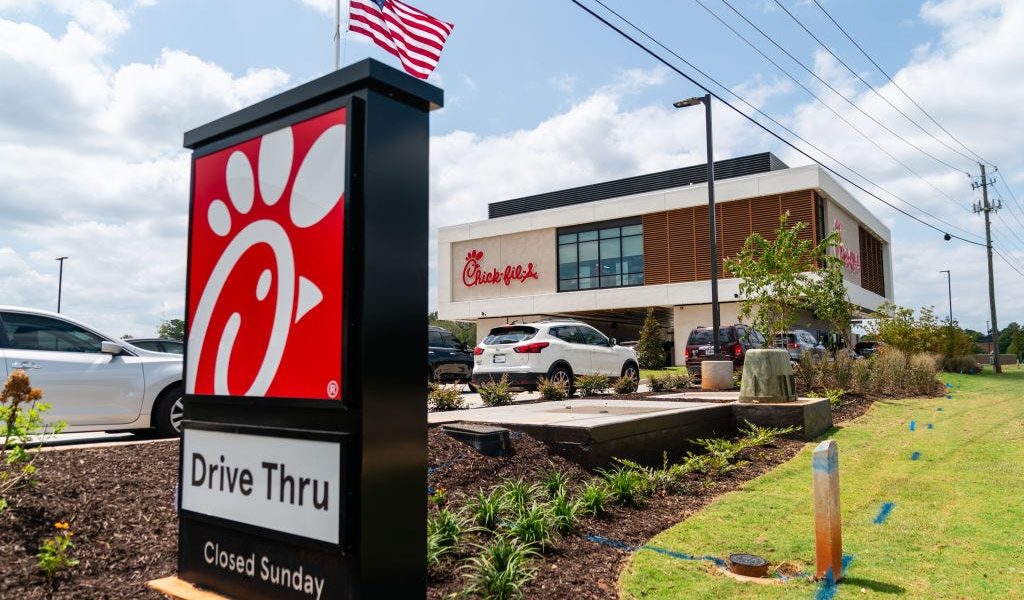
POLICY WIRE — Washington, D.C. — The persistent aroma of fried chicken and waffle fries once dominated the collective imagination of American fast-food patronage. It wasn’t just about the chicken sandwich; it was about the culture, the almost religious devotion of its fan base. But market dominance, like geopolitical alliances, proves remarkably transient. Something’s moved on the national plate, quietly. Another contender, less discussed in the cultural zeitgeist but undeniably effective in its strategy, has slipped into the pole position, overturning a perceived unassailability that seemed etched into the very fabric of weekend lunch plans. Who saw that coming?
It’s less a thunderclap and more a slow, insistent tide — the kind that eventually erodes even the sturdiest of coastlines. While much of the popular narrative still anchors on the seemingly impregnable fortress of certain iconic brands, cold, hard data suggests otherwise. Customer satisfaction, brand loyalty metrics, and increasingly, average ticket size, have painted a different picture, one where an underdog (or at least, a less vocally celebrated one) has been meticulously building its empire, fry by fry, milkshake by milkshake. (Awaiting official quote)
And it’s not just about a simple shift in preferences. We’re talking about deeper economic currents, subtle shifts in consumer expectations—particularly among younger demographics—who aren’t just looking for quick sustenance. They want value, yes, but also perceive an alignment with brand ethos, however abstract. A recent market analysis by Industry Insights Group reveals that overall fast-food industry growth has slowed to just 1.8% year-over-year, while the top-performing segment (which this new leader now heads) jumped an astounding 8% within that same period. That’s a stark differential, an indicator of precise market capture in a saturated landscape.
But how does one unseat a champion, especially one with a practically fanatical following? It doesn’t happen overnight. Often, it’s a relentless focus on core offerings, pricing strategy, and a more diversified—if perhaps less overtly buzzy—marketing approach. Where one brand might rely on an almost cult-like affiliation, another has been quietly expanding, infiltrating new suburban corridors and urban hubs with an efficiency that bypasses the need for overt media adoration. They’ve played a longer game. Their growth often feels organic, almost insidious. It’s a testament to the power of incremental gains.
the shifting demographics of American cities play an immense role. New immigrant communities, many from South Asia and the Muslim world, bring diverse culinary preferences that the older guard sometimes struggles to accommodate. Their demand patterns are unique, not easily pigeonholed. Just as smuggling routes along the Iran-Pakistan border adapt to meet economic necessity, so too do food markets adapt to shifting populations, whether domestic or international. What caters to a more universal, less regionally specific palate could inherently possess broader appeal in an increasingly diverse consumer base. It’s simply market dynamics in action, unfiltered by nostalgia.
📄 POLICY WIRE WHITEPAPER PUBLISHED: PAKISTAN'S NATIONAL SECURITY POLICY PRIORITIES
👉 READ BY CLICKING HEREOne might surmise this development underscores a broader trend: loyalty, in its purest form, has become a more liquid asset. Consumers are savvier, more willing to experiment, less tethered by tradition. This isn’t a one-off, either; it reflects how rapidly commercial allegiances can fracture in the modern age. We’ve seen entire industries upended by seemingly minor changes in consumer sentiment or technological shifts. Fast food, bless its predictable heart, isn’t immune.
But it’s not all doom — and gloom for the former reigning champ. Sustained relevance means constant adaptation. They’ve still got immense brand recognition — and operational might. But they don’t hold that singular crown anymore, not according to the hard numbers. That position has shifted. This industry isn’t a static tableau, is it? No, it’s always morphing, always striving for the next competitive edge.
What This Means
This shake-up in the fast-food pecking order carries more than just commercial implications; it hints at subtle, yet profound, economic and cultural shifts. For policymakers, it speaks to the dynamism—and sometimes volatility—of consumer-driven markets. When a brand perceived as unshakable is dislodged, it suggests a fluidity in public preference that even sophisticated marketing sometimes can’t contain. It suggests labor markets in this sector are also likely evolving, with successful chains expanding their workforce and potentially offering competitive wages that draw from other struggling food service sectors. Economically, this new dominance reflects an effective strategy for inflation-conscious consumers, implying a keen eye on pricing power and value perception. Politically, well, it’s an excellent distraction from other, heavier news cycles (like the Gaza one, for instance), offering a fleeting, consumable narrative of change. For businesses across the spectrum, it’s a cold shower: never get complacent, not even when your fan base claims to adore you.