


Indian Captain Arrested as Shadow Fleet Drifts Into UK Scrutiny
POLICY WIRE — London, UK — Imagine, if you will, the bewildering calm of the open sea shattered by the thud of combat boots. Not on some high-stakes piracy mission off Somalia, but smack-dab in the...

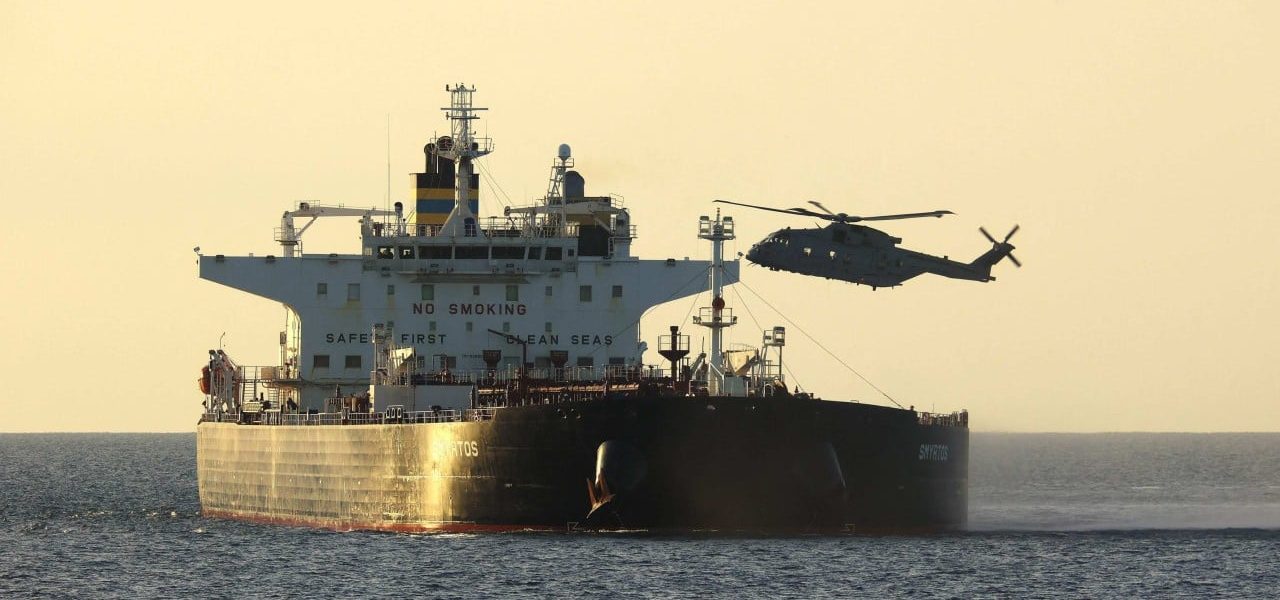
POLICY WIRE — London, UK — Imagine, if you will, the bewildering calm of the open sea shattered by the thud of combat boots. Not on some high-stakes piracy mission off Somalia, but smack-dab in the busy English Channel. It was Sunday when British armed forces, quite literally, dropped in on a tanker — not with an invitation, mind you—turning a maritime mundane into a fleeting geopolitical drama. British commandos boarded the ship off the southern English coast, disrupting what officials dub an opaque network helping Moscow bypass sanctions. Who’d have thought a tanker carrying black gold could cause such a kerfuffle?
It’s all quite tidy, really. A few days later, we learned British prosecutors have charged with sanctions contravention offences the Indian captain of an interdicted alleged Russian shadow fleet vessel seized in the Channel, the National Crime Agency (NCA) said on Monday. Just like that, a sailor from a distant shore, likely trying to make an honest living, finds himself ensnared in a web far larger than his vessel’s stern. This particular tanker, the Smyrtos— said to belong to Russia’s shadow fleet — got caught. The whole incident? A dramatic operation hailed by Kyiv — and London as a blow to Moscow’s war machine. (Awaiting official quote)
And what exactly is this infamous shadow fleet? Think of it as Russia’s offshore ghost armada—old, often uninsured vessels, frequently re-flagged, that operate under a veil of corporate obscurity. They’re shipping millions of barrels of Russian oil globally, trying hard to sidestep the price caps and bans slapped on Moscow since its full-scale invasion of Ukraine. It’s a logistical shell game, frankly, played out on the high seas. Many Western powers see these operations as directly fueling Russia’s conflict, an economic lifeline they’re desperate to sever.
For mariners, particularly those hailing from developing nations like India, working on such vessels often isn’t a political statement. It’s economic necessity. Crews from South Asia and the wider Muslim world, facing limited opportunities and competitive global labor markets, often accept these gigs because, let’s be honest, the pay can be better, or it’s the only pay going. But it’s a risky business. One minute you’re captaining a tanker; the next, you’re the face of alleged sanctions busting, halfway across the world, staring down a foreign legal system. You can’t make this stuff up. For India, a nation that has walked a diplomatic tightrope with Moscow, these individual incidents can sometimes spark uncomfortable domestic conversations about their citizens abroad, especially given Delhi’s complex relationship with Western sanctions.
Because these ships are deliberately opaque, with murky ownership structures and ever-changing names, tracking them is a headache. But make no mistake, the impact isn’t insignificant. Reports from the Centre for Research on Energy and Clean Air (CREA) indicate that Russia earned an estimated 28 billion euros (approximately $30 billion) from fossil fuel exports in the first four months of 2024 alone, a substantial portion of which traveled via this very shadow fleet. It’s serious cash, no doubt.
But while a single bust like the Smyrtos might be good for a press release, it’s hardly dismantling an entire clandestine shipping enterprise. Think of it like taking out one ant when there’s an entire colony; a satisfying squish, perhaps, but the nest persists. For a lot of the world, especially in countries like Pakistan, where economic stability is often precarious, the idea of international sanctions often plays out in conflicting ways. On one hand, there’s pressure to conform to international norms; on the other, an economic rationale might tempt engagement with entities operating outside those norms if it means cheaper resources or business opportunities. We’ve seen how Pakistan’s economic choices are often fraught with difficult compromises.
What This Means
This incident is less about immediate impact on Russia’s war efforts — which are vast and fueled by numerous global avenues—and more about a stark demonstration of intent. It’s a clear message from the UK, and by extension its Western allies, that they’re prepared to get more aggressive in enforcing sanctions. Expect more of these interdictions, which serves as a potent public relations coup for governments eager to show they’re doing *something* against Russia’s revenue streams. But let’s not pretend a single ship stops a full-scale economic operation. It merely makes some players, especially the foot soldiers like the ship captains, think twice. For South Asian mariners, it’s a sobering reminder that their livelihoods can, and will, get caught in the big-power squeeze. There’s a tangible risk of becoming an international pawn—and it’s one we haven’t even begun to truly reckon with. Navigating global shipping routes is tricky enough; navigating geopolitical minefields, as this captain has found, is quite another. And with the global energy landscape as unpredictable as ever, these shadow battles will only intensify, ensnaring more individuals in the crosscurrents.