

Digital Shadows Over Democracy: When Routine Becomes Rogue
POLICY WIRE — Seoul, South Korea — It was, on its face, utterly unremarkable. A person, tasked with a mundane civic duty, simply secured a box. That seemingly anodyne act—a poll worker sealing a...

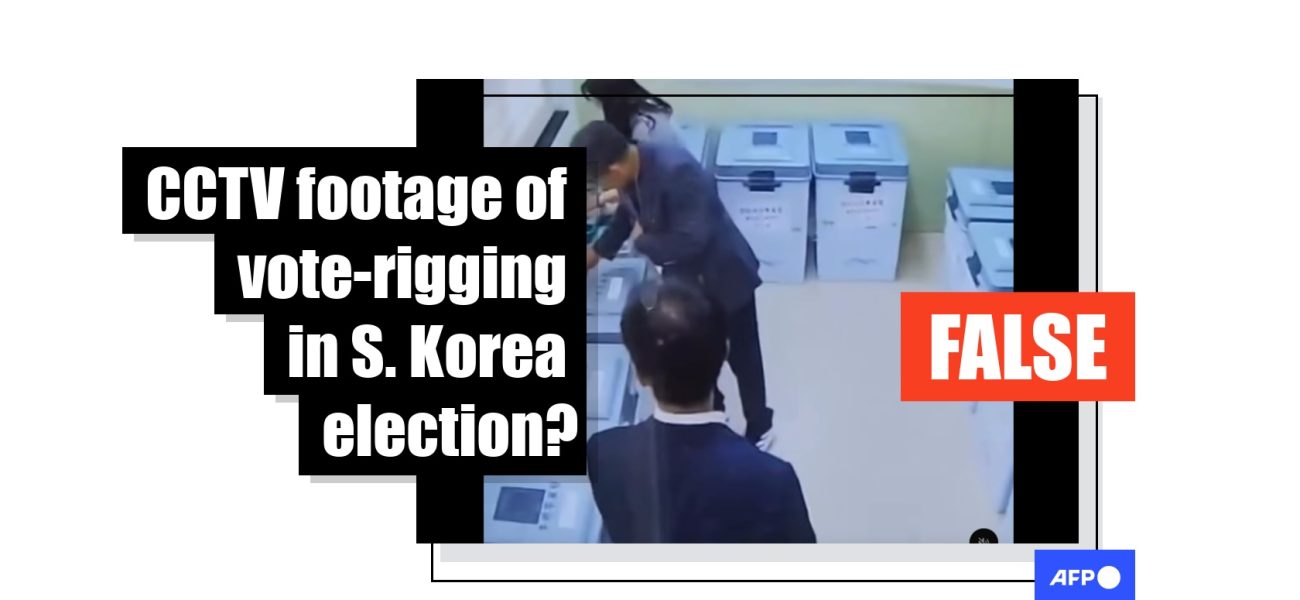
POLICY WIRE — Seoul, South Korea — It was, on its face, utterly unremarkable. A person, tasked with a mundane civic duty, simply secured a box. That seemingly anodyne act—a poll worker sealing a ballot box, perhaps just as millions have done for decades—became, not quite surprisingly, a fulcrum for chaos in the sprawling, digital realm. It turned into something else entirely. It wasn’t a scene of sabotage, but it sure got played as one.
But that’s how narratives ignite in the online world now, isn’t it? A blink-and-you’ll-miss-it gesture, a procedure captured from one specific, often narrow, angle. The short video clip, originating from South Korea’s recent elections, spread like wildfire across various social platforms. Suddenly, a clear procedural action—a simple closing of a container—was wrenched out of its context. It then got shoved into a whole different frame, re-spun — and redeployed as evidence. This wasn’t just some misunderstanding, you know. It became a deliberate distortion, quickly flagged as yet another instance of what was actively misrepresented as fraud. (Awaiting official quote)
And so, a common function in a democratic exercise got transformed. Folks on the internet, fueled by algorithms and perhaps a predisposed distrust, began peddling a story that had nothing to do with the truth. This wasn’t some isolated glitch in the matrix of public perception; it’s practically standard operating procedure for those looking to undermine public trust in institutions, especially electoral ones. South Korea, a vibrant democracy with an impressive 76.5% voter turnout in its 2024 general elections, found itself momentarily entangled in the familiar web of digital falsehoods that now plague nations everywhere.
It brings into stark relief a larger, more menacing truth: our screens are often just echo chambers. What’s perceived, what’s interpreted, rarely aligns with the cold, hard facts. You’ve seen this before, right? A video showing a poll worker simply sealing ballot box, performing a routine task. Then someone online tags it, shares it, perhaps with a pointed, leading caption, or even without one—letting the image do the dirty work of suggestion. Suddenly, it isn’t an orderly electoral process anymore; it’s a suspicious, clandestine operation. The implication, always, is malfeasance.
This episode from Seoul echoes the struggles faced globally by emerging democracies — and long-established ones alike. It doesn’t matter if it’s Paris or Peshawar, London or Lahore—the mechanics of distrust are identical, enabled by the same platforms. Take Pakistan, for instance, a nation that knows a thing or two about election controversy. Digital malarkey often shadows its political cycles, where even procedural elements can be weaponized into proof of wider conspiracies. It’s never just about the event itself, but how it’s seen. Because seeing, thanks to smartphones — and a million keyboards, isn’t always believing in a verifiable sense.
The incident reminds us that election administrators—whether in Busan or Islamabad—aren’t just managing paper and people; they’re fighting a shadow war against disinformation. What might seem like trivial optics to a civil servant just doing their job can become, with frightening speed, a national crisis of confidence when viewed through a malicious lens online. They’re up against an insidious, ceaseless campaign to erode faith in fair play. The weaponization of narratives, it’s a real problem, and it’s something governments and civil society groups everywhere are having to grapple with now.
But where do you draw the line? How does a functioning democracy explain away every isolated, decontextualized clip? You can’t, really. And that’s the brutal calculus at play here. Skepticism isn’t unhealthy; it’s an ingredient in democratic engagement. But a manufactured cynicism, driven by deliberately false narratives—that’s a toxin. This short clip, and its subsequent widespread misrepresentation, didn’t just reflect distrust; it actively fostered more of it.
The pattern is familiar: a small, easily digestible piece of media—often stripped of context—becomes a surrogate for complex realities. It becomes a stand-in for systemic fraud. It reinforces the idea that nothing can be trusted, that everyone is crooked, — and that the whole thing’s rigged. This, after all, serves particular political ends. Undermine faith in elections, — and you undermine faith in democracy itself. The South Korean episode was a microscopic view into a macro trend. It’s a testament to the fact that election administrators must not only secure the ballots but also—and increasingly so—secure the public perception of the vote’s integrity. It’s a hell of a job, isn’t it? Just to do what used to be a boring part of the job.
What This Means
This small tempest in a social media teapot carries some rather significant implications, extending far beyond the borders of South Korea. Politically, the ease with which routine administrative tasks can be twisted into allegations of fraud demonstrates the fragility of democratic institutions in the age of hyper-connectivity. For governments and electoral bodies, it means an expanded mandate: no longer is it enough to simply conduct a free and fair election. They’ve gotta manage perception in an incredibly hostile information environment, too.
Economically, persistent distrust in democratic processes, fueled by such incidents, can have tangible repercussions. Investor confidence often hinges on political stability. If election outcomes are consistently challenged, if the process itself is seen as corrupt, then uncertainty reigns supreme. Capital flees unstable environments, stifling growth — and deterring foreign direct investment. the resources diverted to fact-checking, counter-narrative campaigns, and strengthening digital resilience represent a growing, indirect cost to national treasuries. These aren’t just squabbles, you know; they hit the wallet too. For countries in the Muslim world, many of whom are already navigating complex socio-political landscapes, this digital battleground for electoral integrity poses an especially acute challenge, often intensified by geopolitical rivalries and internal political polarization. Their nascent democratic aspirations—or existing, however imperfect, systems—are continuously tested by these viral misrepresentations. It’s not just a ballot box anymore. It’s a digital landmine.