


The Price of Impunity: FBI Uncovers Cash-for-Freedom Scheme in New Mexico DWI Cases
POLICY WIRE — Albuquerque, N.M. — It wasn’t the roar of sirens or the flash of lights that first clued anyone into the deep rot festering within New Mexico’s judicial...

POLICY WIRE — Albuquerque, N.M. — It wasn’t the roar of sirens or the flash of lights that first clued anyone into the deep rot festering within New Mexico’s judicial system, but rather the quiet hum of negotiations. This wasn’t about justice, see? It was about a price tag, often running somewhere in the ballpark of $6,000 to $10,000 per case, say the newly-unsealed documents. That’s how much it cost some folks to make a troublesome DWI charge just, well, vanish.
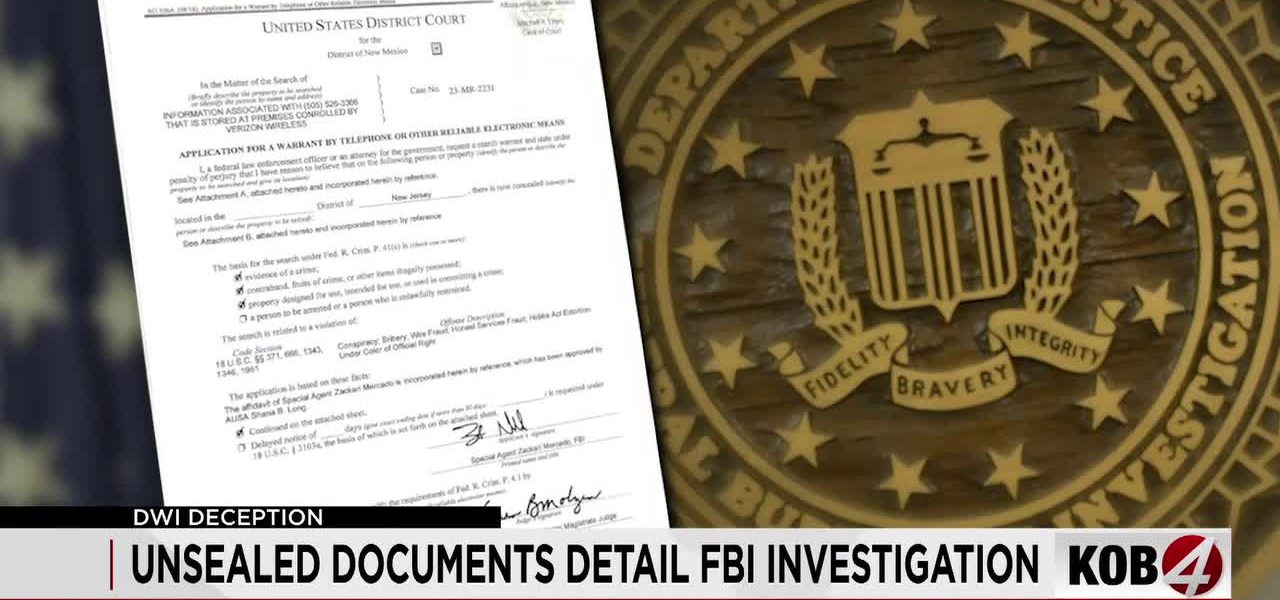
For years, folks wondered how some of the guilty kept slipping through the cracks. Now, we know. The FBI, sifting through hundreds of documents in an investigation that broke open the DWI bribery scheme, has laid bare a shockingly organized operation. It implicated not just a few bad apples, but law enforcement officers across several agencies—from the Albuquerque Police Department (APD) to the Bernalillo County Sheriff’s Office and New Mexico State Police. Imagine that: the very people sworn to uphold the law, turning it into a bazaar. [QUOTE_PLACEHOLDER]
At the center of this grim exchange was Ricardo “Rick” Mendez, a paralegal who, by all accounts, was the grease in the gears. He’d allegedly take instructions from attorney Thomas Clear III—the admitted mastermind behind a scheme to bribe officers to miss court dates to get their cases dismissed—and turn them into cash deals. The feds knew it wasn’t just hearsay; they had the tapes. In one recorded phone call, an informant (a client turned witness, obviously) asked about a partial payment. Mendez’s response cut straight to the chase. “How much? How much?” the witness pushed. “I told you,” Mendez replied, stone-cold. “Can I [give] you some?” the witness pressed again. “All of it up front.” The witness, perhaps incredulous at the flat-rate demand for what seemed like an illegal service, then asked, “Um, $6,000?” That sum, we now understand from those documents, was merely the starting bid in a systemically corrupt marketplace.
It gets worse. These records, unsealed following a raid at former APD officer Harvey Johnson, Jr.’s home earlier this year, detail a network of conversations. Mendez, it seems, wasn’t just brokering deals; he was managing a crooked portfolio. He communicated extensively with officers like Honorio Alba, Jr. and Joshua Montaño, both from APD — and among the first to plead guilty. These weren’t just friendly chats, no. Some exchanges, a special agent stated, happened “within hours or days of arresting someone who was later referred to Mendez to help make the charges go away.” Convenient, isn’t it? Like clockwork.
And Mendez, he ran a tight, if illicit, ship. Burstiness? He’d vary his tactics alright. Clients who dragged their feet on payment? They learned the hard way. He once demanded payment early, planning to jet off for a holiday weekend, which, you know, makes sense—gotta get your money before the banks close, even if it’s dirty. But when the client didn’t cough up fast enough, the price jumped. “I mean, we can still beat it, but you’re gonna wind up paying more now,” Mendez told the startled client. The reply: “Oh, I’m gonna end up paying more now? Uh, what do you mean? What do you mean?” Mendez’s chillingly casual explanation? “Well, it wasn’t filed.” The system had a price, and that price could fluctuate, depending on one’s punctuality with illicit funds.
The scope of this whole mess extends beyond just the alleged architect — and his middleman. Officers from several forces, including Alba, Johnson, — and Montaño, have admitted their guilt. This isn’t a few isolated incidents. It’s a system. Ry Ellison, the First Assistant U.S. District Attorney, has acknowledged the complexity. “As with any case of this size, there’s a tremendous amount of discovery, and it takes a lot of time to process,” he said, underscoring the bureaucratic hurdles of even prosecuting corruption. “That process is being worked through, but the message that I’ve put out to our prosecutors is get this done and get it done quickly.” Getting it done quickly, however, won’t necessarily rebuild trust quickly. Not even close.
What This Means
The implications here reach far beyond New Mexico’s borders. For starters, when the integrity of law enforcement — the very bedrock of a functional society — crumbles like this, it doesn’t just erode local trust. It signals a deeper vulnerability within public institutions, a chink in the armor of accountability that can appear anywhere. And this isn’t just an abstract concern; it’s a pragmatic problem. The perceived corruption of a justice system makes it harder to govern, to maintain social order, to attract legitimate investment, even to enforce basic regulations.
But think about what this means on an economic level. These weren’t small sums. Forcing a “client” to pay thousands for a case dismissal suggests a criminal economy that extracts significant wealth, diverting it from legitimate channels. It’s a hidden tax on citizens, essentially, a “justice surcharge” paid directly into the pockets of the corrupt. This kind of systemic decay, if left unchecked, poisons the well of public confidence. You see similar battles fought — with varying degrees of success — in nations across the globe. Take Pakistan, for instance, where perceptions of corruption within institutions, including segments of law enforcement and bureaucracy, remain a persistent challenge to governance and development. While contexts differ greatly, the fundamental erosion of public faith in justice systems due to transactional crime has universal resonance.
Because ultimately, this scheme didn’t just target individuals caught for DWI. It targeted the very idea of fairness under the law. It said justice isn’t blind; it’s just expensive, if you know the right people to pay. That’s a dangerous message. It’s a call for authorities to not only prosecute those involved but also implement radical, transparent reforms that show the public that this kind of transactional, backroom justice won’t, can’t, be tolerated. The recovery here isn’t just about legal battles, it’s about moral rehabilitation for an entire public service.