


Broken Stones, Bureaucratic Blinders: The Silent Crash on Old Coors
POLICY WIRE — Albuquerque, United States — Sometimes, the quiet thud of falling concrete speaks louder than any siren. It’s not just the sorrowful recurrence of tragedy, but the...

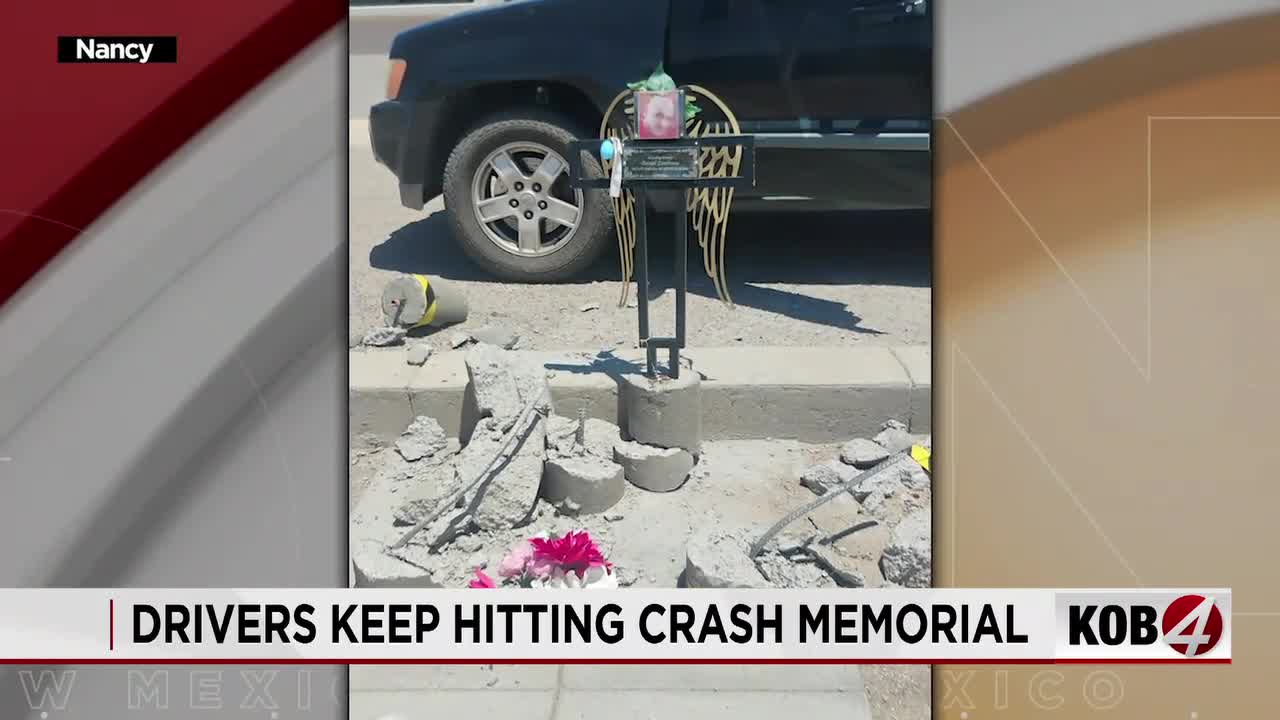
POLICY WIRE — Albuquerque, United States — Sometimes, the quiet thud of falling concrete speaks louder than any siren. It’s not just the sorrowful recurrence of tragedy, but the grinding friction between human grief and municipal spreadsheets. In Albuquerque, New Mexico, a humble roadside memorial — marking where Daniel Zambrano’s life abruptly ended in a 2024 hit-and-run crash — is perpetually knocked down, a somber echo of the speed that tore him away. And while a family battles to keep his memory upright, the city seems stuck in a curious statistical disconnect, deeming the locale less than a priority for “serious” interventions.
It’s a bleak routine for Nancy Akers, Daniel’s mother, — and her family. She’s forever repairing the shattered remnants of what serves as her son’s tangible presence. Think about that: a mother, after losing her child, then tasked with fixing the physical testament to his loss, repeatedly. “I just want people to know speed is, does kill, you know, speed does kill,” Akers said, her words a raw testament to unaddressed peril. She points to a specific fixture, “This is the pillar that was knocked down with his angels.” Not just once, mind you. “This one was knocked down twice. You could tell we rebuilt it twice with poles just so he could have it.” Two times. What does that tell you about the local road culture, if not outright disregard for a sacred space? [QUOTE_PLACEHOLDER]
The stretch near Old Coors — and Churchill, where Zambrano met his untimely end, isn’t some sudden anomaly. Akers, having grown up practically down the block from Daniel, testifies to its notorious history. Speeding? Racing? Old news, apparently. “It’s always been a, it’s always been a concern,” she asserted, describing the pervasive, almost theatrical display of reckless driving. “There’s always speeding — and racing at night also. You could even see the streets and there’s marks all the way from this end to that end.” Black tire streaks on the asphalt: a street art of danger. And you don’t need a PhD in urban planning to understand what that means for residents—a persistent, gnawing fear.
But bureaucratic eyesight operates on a different spectrum, it seems. The Albuquerque Police Department, for instance, offered up its figures. For the year 2025, a stark numerical portrait emerges: the area clocked just one crash without injuries and a mere three traffic stops. Yet, as KOB 4 further revealed, this year to date (that’s YTD, for you data aficionados), APD reported two crashes involving injuries, plus another without any, and twenty-seven traffic stops in the vicinity. You’d think those recent injury numbers — double what they were for the entirety of the ‘next year’ statistical projection — might stir some movement, perhaps. They haven’t.
Because, as city leaders coolly explained, those numbers don’t quite vault this stretch of Old Coors onto Albuquerque’s Vision Zero priority list. Vision Zero, they say, operates on a “tiered system, a data-driven approach.” Dan Mayfield, a representative from the city, clarified the rationale: “And Old Coors in that area doesn’t show up as a neighborhood where there are dangerous crashes.” The system prioritizes roads “with a high number of serious-injury and deadly crashes.” A stark observation from Akers herself captures the perverse logic: “It’s a pretty safe road when it comes to crashes with injuries,” she conceded. “I mean, there has been, and maybe in the grand scheme of things, there’s not as many accidents there as there are in other places.” So, not “dangerous” enough, in other words. For a system supposedly about *zero* deaths, it’s remarkably focused on counting enough bodies before acting.
The city, with all due seriousness, suggests folks just call 311 if they’re bothered by frequent local crashes. Because “those issues can be tracked and reviewed.” It’s the passive-aggressive whisper of officialdom: we’ll collect your data points, but don’t expect a parade.
What This Means
This tragic vignette of a continually damaged memorial isn’t just a local news item; it’s a microcosm of policy failure. It underscores the peril of “data-driven” governance when the metrics become an impenetrable shield against lived realities. Vision Zero, a laudable goal — a worldwide aspiration, frankly, from Helsinki to Hyderabad — risks becoming a bureaucratic self-fulfilling prophecy if it waits for enough catastrophic events to classify an area as “high priority.” In regions like South Asia, or specifically Pakistan, you see similar struggles where ambitious national infrastructure projects or policy directives — say, aiming for modern traffic systems — frequently run aground on localized implementation deficits or a detached approach to community-level feedback. Think about Karachi, where traffic management — or the lack thereof — causes a daily toll of lives and limbs that might not neatly fit into official “high priority” lists until a significant event, often political, forces attention. But until that breaking point, it’s individual families paying the ultimate price. The aftershocks of complacency, they aren’t always seen on a balance sheet.
The situation in Albuquerque isn’t economic in the grand sense, but it highlights a misallocation of resources and a significant political blind spot. When a city can identify specific problem areas but choose not to intervene because the “numbers” aren’t dire enough, it implies a cold calculation of human lives against a spreadsheet entry. It’s the political decision to let things get worse before they get better, all justified by a technocratic sheen. It forces communities, like Nancy Akers’s, into a perpetual state of grief and advocacy, a relentless plea against a system that feels remote and unresponsive. It’s a reminder that good governance demands not just data, but empathy, and the political will to act before statistics escalate into undeniable tragedy.