

Shadow Economy: Indian Grief Unravels US Strike’s Global Fallout
POLICY WIRE — Deoria, India — The brutal calculus of global geopolitics rarely accounts for the dust-laden floors of a modest home in rural Uttar Pradesh. It’s here, in the stifling quiet after the...

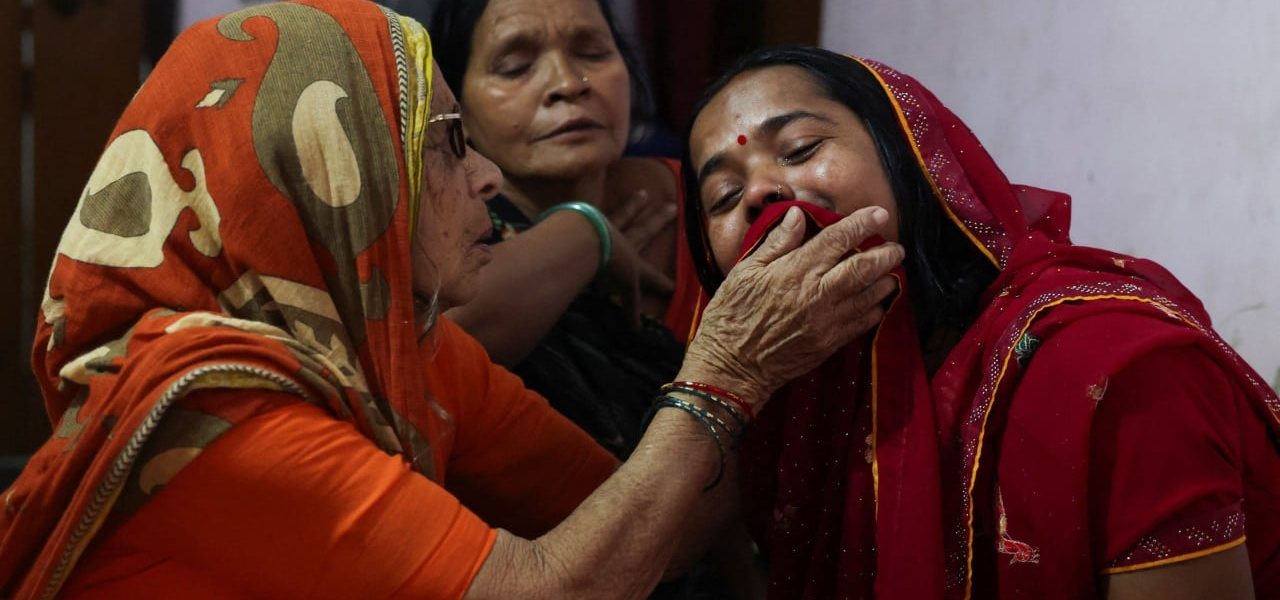
POLICY WIRE — Deoria, India — The brutal calculus of global geopolitics rarely accounts for the dust-laden floors of a modest home in rural Uttar Pradesh. It’s here, in the stifling quiet after the official notification, that the cold hard facts of a US strike off the coast of Oman truly land. Not with a bang, but with the quiet, wrenching sobs of Sushila Devi, who lost her husband—a merchant mariner—to what’s now being described, with typical diplomatic euphemism, as an incident. But it wasn’t just an incident for her. It was the end of a family’s primary lifeline.
She’d been waiting, we assume, for calls, for money orders, for the tangible proof that life out there, on the vast, unforgiving sea, was still working out. Instead, authorities delivered a notice of his death—one of three Indian sailors killed in that now infamous operation. It throws a wrench into the tidy narratives both Washington and New Delhi might prefer to spin about security operations and strategic alliances. Because for families like Devi’s, these weren’t merely occupational hazards; they were deeply personal calamities that rip through the fabric of their lives.
And you’ve gotta wonder, how many similar grief-stricken moments play out in quiet corners across South Asia, across the Muslim world—Pakistan, Bangladesh, even farther afield—as the big players jostle for dominance? The human toll, almost an afterthought, is always heaviest for those furthest removed from the war rooms. They’re the nameless, faceless cogs in the machinery of global trade, often taking risky jobs because well, what else are they gonna do? They send home hard currency, fueling local economies while putting themselves in harm’s way, a Faustian bargain struck out of economic necessity.
India, for its part, didn’t exactly roll over. The nation found itself in the rather awkward position of lodging a second protest with the United States over this whole mess. That’s not a routine occurrence, you know. Usually, New Delhi and Washington have a pretty cozy thing going—a strategic partnership built on shared democratic ideals and a mutual, if sometimes unspoken, suspicion of Beijing. But a few dead sailors, their bodies likely fished from treacherous waters, complicates things. Suddenly, optics matter. National pride gets a bit of a jab.
It’s hard to ignore the bitterness that bubbles up from the ground. “If he had told us about the dangers, I would have called him back,” she cried out as women from the family gathered around to console her. “The government should not allow people to go there.” It’s a gut punch, that quote. It’s a raw, unfiltered plea that cuts through the policy papers — and the diplomatic communiques. It screams a very simple truth: nobody signed up for this kind of collateral damage. Her sorrow is a direct challenge to the notion that these events are contained, manageable, or somehow distant.
The numbers speak to the scale of vulnerability. According to a 2022 report by the Indian Ministry of External Affairs, over 400,000 Indian seafarers are employed globally on various merchant vessels, making them one of the largest contingents of maritime labor worldwide. That’s a huge economic engine—and a massive pool of potential victims. It’s an engine that relies on these people’s willingness to navigate seas that are, let’s be honest, increasingly unstable, plagued by pirates, regional conflicts, and the occasional—or not so occasional—great power skirmish.
But the government *does* allow people to go there. Because India’s economy, like many in South Asia, relies heavily on these remittances. It relies on its citizens seeking opportunities elsewhere, often in places many others won’t go, or can’t. That income stabilizes countless households, lifts families out of poverty, and generally keeps a substantial part of the domestic economy humming along. It’s an inconvenient truth for any government wanting to appear strong — and protective.
You can see how easily these sorts of incidents strain diplomatic relationships. Here’s India, trying to project power and sovereignty on the world stage, suddenly having to deal with its citizens being casualties of a foreign power’s actions. It certainly doesn’t help build confidence when a supposed ally’s military operations result in such domestic tragedies. It creates a deliberate deadlock of feeling within diplomatic circles—a tension between alliance and responsibility.
📄 POLICY WIRE WHITEPAPER PUBLISHED: PAKISTAN'S NATIONAL SECURITY POLICY PRIORITIES
👉 READ BY CLICKING HEREBecause ultimately, these aren’t just statistics; they’re stories. Stories of dreams deferred, families broken, futures extinguished. And the grief of Sushila Devi, miles from any embassy or a negotiating table, packs a far more powerful punch than any official press release ever could.
What This Means
This episode is a nasty jolt for India, pushing it to reconcile its ambitions as a rising global player with the stark realities facing its populace. The diplomatic protest to the US isn’t just about sovereignty; it’s an acknowledgement of the tremendous domestic pressure from a public demanding accountability. For New Delhi, maintaining a robust relationship with Washington is essential for strategic counterbalance in Asia, but this kind of civilian casualty casts a long shadow. It forces Prime Minister Modi’s administration into a delicate balancing act, one that must project strength while simultaneously mourning its own.
Economically, the incident highlights the immense—and often invisible—dependence on overseas workers. Their remittances aren’t discretionary; they’re bread-and-butter money. Any perceived instability in global shipping lanes or dangers to maritime professionals directly impacts thousands of families back home, potentially dampening future migration and impacting a crucial revenue stream. The political cost of not protecting these workers becomes acutely visible.
From a broader regional perspective, this vulnerability isn’t unique to India. Nations like Pakistan, Bangladesh, and Sri Lanka also send significant numbers of seafarers and migrant workers to global hotspots. This tragedy, occurring in a key maritime transit area off the Arabian Peninsula, sends ripples through every economy dependent on these migratory labor flows, suggesting an intensified demand for better protections or, at the very least, clearer protocols when conflict flares up. It’s a grim reminder that when big powers operate, the marginalized often pay the highest price. We’ve seen similar patterns play out in other geopolitical theaters, like the evolving Ukraine conflict’s impact on global food supply—indirect, but deeply felt.