

Champion’s Fury: The Cold Politics of ‘Home Advantage’ Snubs Wimbledon Heroine
POLICY WIRE — London, England — You’d think winning a championship, especially after overcoming significant odds, would earn a bit of goodwill. Maybe even a free pass to defend your title, right? Not...

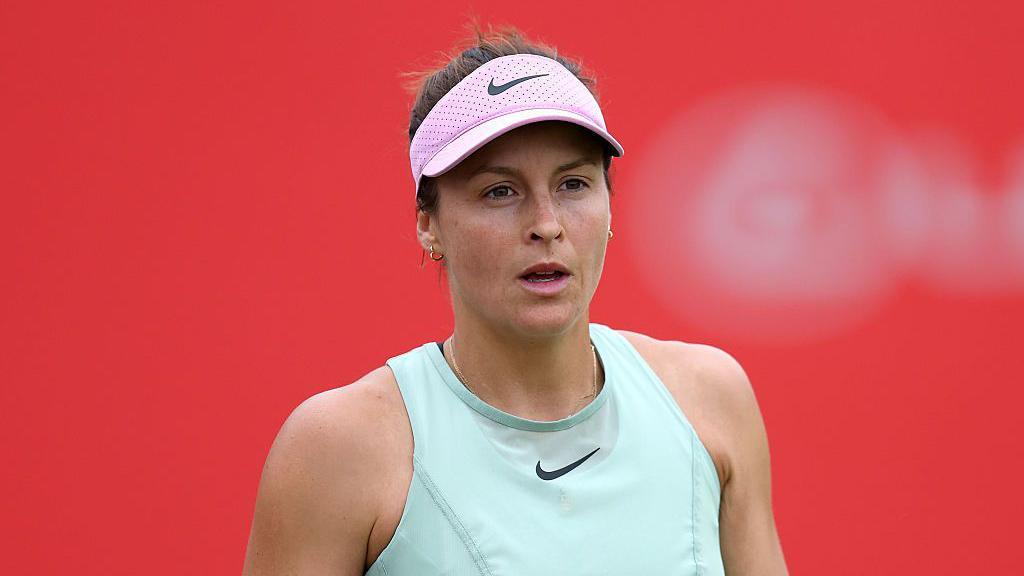
POLICY WIRE — London, England — You’d think winning a championship, especially after overcoming significant odds, would earn a bit of goodwill. Maybe even a free pass to defend your title, right? Not so fast. The genteel world of professional tennis, particularly on British lawns, sometimes prefers homegrown mediocrity over imported brilliance. It’s a blunt, unglamorous truth that Tatjana Maria, the German veteran who stunned everyone by lifting the Queen’s Club trophy just last year, is now intimately familiar with.
She fought her way through qualifying then, becoming the club’s first women’s singles champion in 52 years. An unexpected triumph. A feel-good story for the ages. But rather than rolling out the figurative red carpet for its defending champ this year, tournament organizers – effectively the Lawn Tennis Association (LTA) – handed out their precious wildcards to four lower-ranked British players. Maria? She was told to go earn her spot again, battling through two Sunday qualifying matches. Because that’s respect, apparently. You win a major, they tell you to prove it again, immediately.
“It felt… almost like a normal tournament because I had to start over again in qualifying,” Maria observed with a dryness that bordered on exasperation, speaking to reporters. “Already what I did last year was amazing, and to be a champion here, I thought I deserved a wildcard and to get a little bit of respect.” It wasn’t five years ago. It was last year. But British tennis, it seems, has its own calculus, a very particular form of nationalist fervor. You can almost see the spreadsheet, highlighting ‘National Interest’ above ‘Sporting Merit’.
Indeed, Maria, world No. 52, is considerably higher ranked than the recipients of the LTA’s largesse. Katie Boulter sits at 73, Fran Jones at 98, Harriet Dart at 160, — and Mika Stojsavljevic at 261. This isn’t just about rankings; it’s about a raw, almost cynical prioritisation. But, for national bodies, such decisions often transcend mere tennis. They’re about optics, talent pipeline, and the sometimes-strained relationship between public investment and sporting glory. This isn’t a problem confined to elite Western tennis, either. One sees echoes of similar dilemmas in countries across South Asia, from the funding controversies in the Pakistan Cricket Board to questions about how much state federations truly back their individual athletes on the international stage.
When pressed, an LTA spokesperson, preferring to remain unnamed, offered what amounted to a polite brush-off: “We must strategically invest in the development of British tennis talent. Wildcards are a tool in nurturing human capital, allowing promising players valuable main-draw experience.” A standard bureaucratic reply, boilerplate stuff designed to justify a policy that, on its face, looks a lot like putting country before competitive integrity. They’re investing in Britishness, you see, not necessarily pure skill. And because Maria isn’t British, her championship status counts for less, at least in terms of automatic entrée. It’s a bold declaration of intent, really: loyalty over laurels.
She’s not alone in navigating these opaque pathways. It reminds one that even at the highest levels, professional sports remain, in many ways, an oligarchy where established networks and national interests often hold sway over individual accomplishment. The arbitrary nature of the decisions—that four British players ranked lower than Maria received spots—highlights a discomforting aspect of international competition. Is the playing field ever truly level? Perhaps only once you’re on it. Until then, you navigate the gatekeepers, whoever they may be.
📄 POLICY WIRE WHITEPAPER PUBLISHED: PAKISTAN'S NATIONAL SECURITY POLICY PRIORITIES
👉 READ BY CLICKING HERE“I was surprised when I got the message of [tournament director] Laura Robson saying all the wildcards would go to the British players, which I understand,” Maria added, her tone suggesting she understood the ‘what’ but not the ‘why it happened to me’. “But as a champion, it’s tough for me. It’s something that should be normal. If you are champion of an an event and you don’t get in the year after, I think automatically this should be considered.” She’s right, it *should* be normal. But then, ‘normal’ often clashes with ‘political expedience’ in these arenas.
What This Means
This saga isn’t just about one tennis player and a snub; it’s a microcosmic illustration of the intricate political and economic currents that flow beneath professional sports. Politically, the LTA’s move reinforces a powerful nationalistic agenda. By prioritising British players, even if lower-ranked, the organization is banking on fostering local engagement and patriotism, hoping to inspire a new generation of UK talent. It’s a public relations play as much as a sporting decision, signaling to British taxpayers and aspiring athletes that their interests come first. This isn’t a unique phenomenon; sports federations globally, from Brazil’s football body to the Olympic committees of Gulf states, frequently engage in similar strategic allocations to bolster domestic narratives and investment.
Economically, the impact is more nuanced. On one hand, featuring more local players can theoretically boost ticket sales, viewership, and sponsorship from domestic companies eager to associate with national heroes. It’s how organizations often try to monetize national fan emotion. However, a perception of diluted competition or unfair treatment of established champions could alienate international fans and elite players, potentially devaluing the tournament’s overall prestige in the long run. There’s a tricky balance between fostering a local identity — and maintaining international credibility. And this decision, at least in the eyes of Tatjana Maria, tips that balance decisively in favor of national self-interest, leaving little room for sentimentality, even for past glories. It’s a calculated gamble on loyalty that might just leave a lingering sour taste for anyone paying attention to the spirit of fair play.