

The Golden Goal: FIFA Monetizes Fan Emotion as France’s Stars Falter, Shine
POLICY WIRE — Zürich, Switzerland — FIFA, football’s global sovereign, appears intent on proving no square inch of the beautiful game—or its audience—is immune from monetization. Its latest...

POLICY WIRE — Zürich, Switzerland — FIFA, football’s global sovereign, appears intent on proving no square inch of the beautiful game—or its audience—is immune from monetization. Its latest brainchild, unveiled with all the quiet fanfare of a banking advertisement, offers fans at the 2026 World Cup the chance to see their name splashed across stadium screens. The price tag for this fleeting digital immortality? A cool $73. That’s right; for less than the average American’s monthly coffee budget, your moniker could briefly share pixels with history, assuming you’ve bought a ticket already.
It’s a peculiar twist in the ever-escalating commercial arms race gripping global sport. While fans grapple with ticket price inflation and eye-watering merchandise costs, the governing body—which anticipates revenues exceeding $11 billion for the 2023-2026 cycle, per its own projections—has found yet another vein to tap. They’re not just selling the game; they’re now selling the air around it, the digital real estate that flashes past in a moment. Because, frankly, who needs authentic atmosphere when you can pay for bespoke recognition?
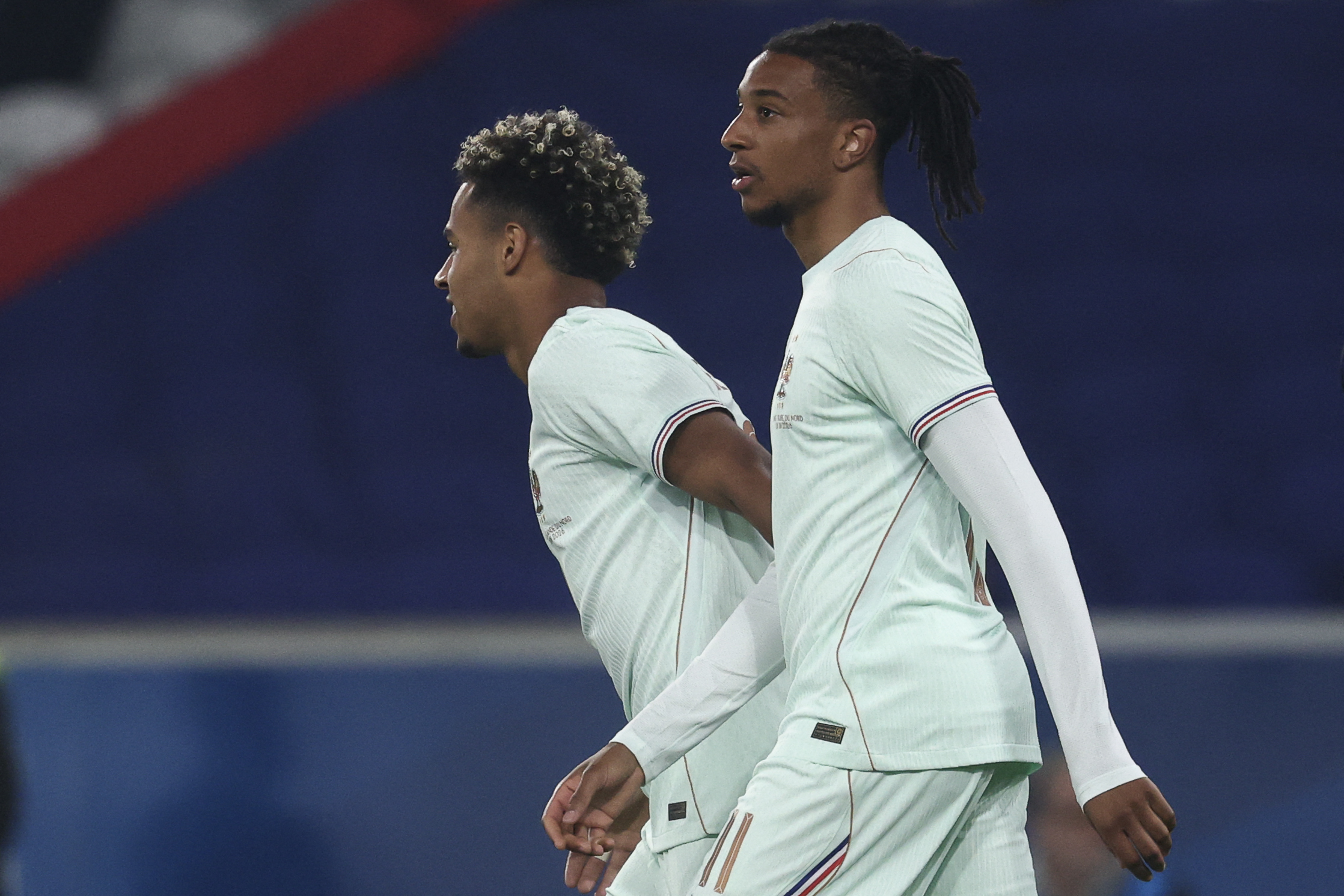
And you’d think this brazen exercise in fan commodification would steal headlines from the actual play, but sometimes, the pitches manage their own drama. Take France’s final World Cup warm-up. Up-and-comer Michael Olise, playing in Lille against Northern Ireland, didn’t just participate; he detonated, scoring a hat-trick in a 3-1 victory. He’s hit seven goals in just seventeen caps, a pace not seen since Youri Djorkaeff back in ’96. It’s a remarkable burst, one that promises much, — and might just be a harbinger of a changing guard within Les Bleus.
But while Olise basked in the adulation, superstar Kylian Mbappé—the team’s undisputed face—had a rougher outing. He was, to put it mildly, wasteful. The only thing he connected with decisively was, quite ironically, a pair of Meta glasses during warm-ups. A harmless moment, sure, but a symbolic one. It’s a sport now often seen through digital filters, commercial overlays, and occasionally, an expensive, easily breakable piece of virtual reality tech. One player soars, another stumbles, yet the machine grinds on, finding new ways to bill you for the experience.
“We’re always looking for innovative ways to enhance the fan experience,” stated Gianni Infantino, FIFA President, with the characteristic gravitas of a man balancing spreadsheets and dreams. “This initiative is about connecting our global family, giving every fan a personal stake in the greatest show on Earth.” Conveniently omitting the $73 charge for that “personal stake,” of course. He’s quite adept at putting a rosy spin on pure commerce, isn’t he?
Meanwhile, the French Football Federation seems more concerned with actual on-field chemistry. “Performance, cohesion, these are what win World Cups, not personal accolades,” remarked Didier Deschamps, France’s manager, presumably with a tactical grimace. “Michael’s performance is encouraging. Kylian knows his standards. We don’t tolerate distractions. Period.” Strong words, reflecting the razor’s edge professional football treads between glory and grotesque public failure. They’re under immense pressure; don’t ever doubt that.
What This Means
This dynamic paints a stark picture of modern football: immense individual talent and national aspiration clashing with an increasingly aggressive commercial enterprise. FIFA’s $73 proposition isn’t just about stadium screens; it’s a symptom of a deeper commercialization, pushing the boundaries of what fans are willing to pay for perceived proximity to the game. It begs a serious question: at what point does “fan engagement” become thinly veiled exploitation?
For nations across South Asia, including Pakistan, where football boasts a colossal, passionate following despite infrastructural and financial hurdles, these global pricing strategies become even more acute. Imagine a young enthusiast in Karachi, for whom securing a standard match ticket is already a significant sacrifice, now being asked to fork out additional sums for a pixelated shout-out. It’s an almost comedic disconnect, amplifying the divide between the sport’s moneyed echelons and its grassroots devotees. The joy, the visceral connection that underpins the game, sometimes feels utterly drowned out by the relentless pursuit of profit. It’s a tightrope, you know?