


Shadows and Shells: The Banality of a State’s Suspected Intelligence Play
POLICY WIRE — Tel Aviv, Israel — Sometimes, the most consequential dramas of international espionage don’t kick off with a bang. Forget the thrilling narratives; instead, picture the low hum of...

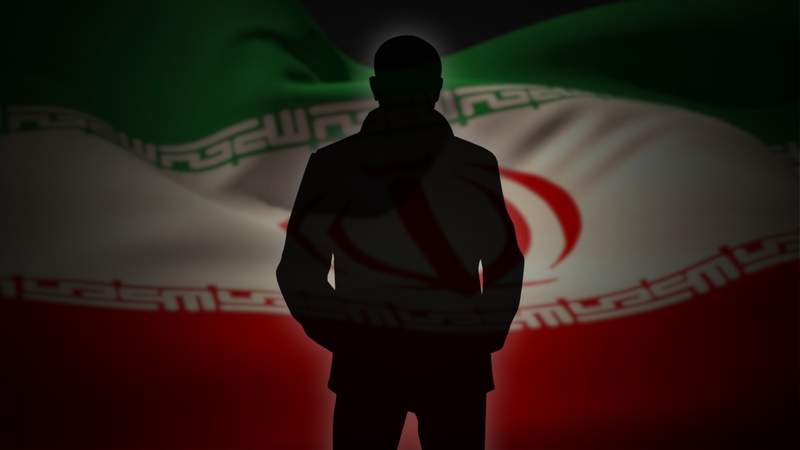
POLICY WIRE — Tel Aviv, Israel — Sometimes, the most consequential dramas of international espionage don’t kick off with a bang. Forget the thrilling narratives; instead, picture the low hum of suspicion, the careful accretion of digital breadcrumbs, or perhaps—just perhaps—a neighbor noticing something quite amiss. That appears to be the rather unceremonious origin story of recent allegations, with an Israeli citizen now under a spotlight, not for heroic acts of entrepreneurship, but for reportedly carrying out missions for Iranian intelligence. It’s less a James Bond flick, more a bureaucratic stumble through a minefield.
Details remain frustratingly scarce, as one might expect when national security interests are ping-ponging across a highly contested digital space and geopolitical arena. But the basic assertion is startlingly blunt: an individual, presumed to be an Israeli man, has been implicated in clandestine operations allegedly orchestrated by Tehran. The implications, even in their unconfirmed ambiguity, ripple outward like a stone dropped into the already choppy waters of Middle Eastern stability. It isn’t just about an individual’s actions; it’s about the ever-present, grinding gears of an undeclared, perpetual conflict.
This particular case—or what we understand of it—sits in an uneasy category. It’s not a dramatic border crossing, not an obvious assassination attempt. It suggests a more insidious form of engagement, where loyalties are questioned — and allegiances tested from within. The public has been told that the suspect was [QUOTE_PLACEHOLDER], and that the objectives of the alleged missions were [QUOTE_PLACEHOLDER]. These opaque descriptions don’t offer much in the way of clarity, do they? But what they certainly convey is the persistent, almost mundane reality of proxy skirmishes — and information warfare.
But this isn’t just an isolated incident between two historical adversaries. Similar dynamics, equally fraught with suspicion and clandestine maneuvering, are a common, tragic thread throughout the broader Muslim world. Take Pakistan, for instance. Its own intelligence agencies are in a constant, low-level state of alert concerning perceived threats and real infiltration attempts from various actors, including—on occasion—Iran, its western neighbor. Reports of arrests of individuals suspected of operating on behalf of foreign powers are hardly new in Karachi or Islamabad. It’s a bitter truth: regional geopolitical tensions invariably translate into human consequences, whether it’s a merchant in Lahore under surveillance or a suspect picked up on the streets of Tel Aviv.
And these intelligence duels aren’t cheap. Security agencies, worldwide, gobble up considerable portions of national budgets. The American intelligence community, for example, received an estimated $100 billion in funding in 2023, according to public domain estimates by intelligence transparency advocates, reflecting the global scale of resources dedicated to this shadowy craft. That’s a lot of dough poured into ensuring state secrets stay secret — and opposing secrets come to light. Think about it for a minute. That money could fund a whole lot of social programs—or, as states often conclude, prevent even larger disasters.
Yet, here we’re. This arrest—or the public mention of it—serves as a stark reminder of the long-game played by nations, the subtle chess matches that define power projection without ever firing a missile. Sometimes the battlefield is an encrypted message, sometimes it’s the quiet co-option of a citizen, turning perceived normalcy into a cloak for geopolitical maneuvering. Policy Wire has often observed how these intricate, often invisible, power plays dictate not only national security but also, more broadly, the ebb and flow of regional alliances and rivalries across Asia.
📄 POLICY WIRE WHITEPAPER PUBLISHED: PAKISTAN'S NATIONAL SECURITY POLICY PRIORITIES
👉 READ BY CLICKING HERECasualness pervades a certain kind of information operation, you know? It’s not always grand conspiracies involving nuclear codes. Sometimes, it’s just about nudging public opinion, gathering seemingly insignificant data points, or sowing general discord. The true impact of this alleged Iranian intelligence operation—or any such operation—is less about the immediate danger of what one individual might achieve, and more about the unsettling realization that every citizen, no matter how outwardly innocuous, can become a pawn. Or a player.
Because ultimately, these revelations don’t just inform the public; they often send specific, deliberate messages to rival intelligence agencies. A warning. A flex of operational capability. An admission, however tacit, that the cat-and-mouse game never truly stops. It’s a dialogue conducted in whispers, arrests, — and the occasional, carefully leaked detail.
What This Means
This episode, rather than being an isolated footnote, is a significant ripple in the geopolitical pond. Politically, it signals a persistent, low-boil confrontation between Iran and Israel that increasingly blurs traditional boundaries. Tehran, under tightening international scrutiny, isn’t relenting on its covert influence operations; it’s simply adapting. For Israel, such an internal breach, however small-scale, points to the constant, exhausting challenge of maintaining internal security against state-sponsored infiltration. It can’t afford to get complacent. Domestically, these events usually foster heightened mistrust within minority communities, potentially creating a chilling effect where perceived ‘difference’ becomes synonymous with ‘threat.’ And economically? Well, the immediate economic impact of a single arrest is negligible. But these ongoing, often invisible conflicts demand consistent and escalating security budgets, diverting funds from other public services. It’s a costly business, this constant state of vigilance. Plus, if intelligence failures are perceived as more frequent or significant, foreign direct investment could become jumpy, perceiving increased instability. Ultimately, incidents like this aren’t just news; they’re symptoms of a systemic regional malaise, a chronic geopolitical condition where trust is a luxury few states can afford and suspicion is the default currency.