


Europe’s Bitter Harvest: ‘Inflation-Beating’ Wages Leave Workers Poorer, Not Richer
POLICY WIRE — London, UK — The freshly baked croissant at a Parisian patisserie, once a humble indulgence, now carries the weight of a quiet economic crisis. Folks aren’t just noticing prices...

POLICY WIRE — London, UK — The freshly baked croissant at a Parisian patisserie, once a humble indulgence, now carries the weight of a quiet economic crisis. Folks aren’t just noticing prices climbing; they’re feeling it, right in the gut. Because for all the headlines touting supposedly inflation-beating pay raises across Europe, the grim reality on the ground—from the bustling markets of Berlin to the quieter neighborhoods of Rome—tells a decidedly different story. People aren’t just treading water; they’re actually sinking.
It’s a clever trick, isn’t it? Announce a pay hike that looks good on paper, perhaps 4% or 5%, and let the politicians pat themselves on the back. But then, a few paragraphs down in the same press release, inflation rates lurk at 6%, 7%, sometimes even higher. It doesn’t take an economist to see that means real wages are shrinking. It’s like getting a bucket to bail out a leaky boat, only to find the bucket has more holes than the boat. [QUOTE_PLACEHOLDER]
And it’s a grind for the average worker, plain — and simple. Groceries eat a bigger chunk of the monthly budget. Energy bills—those beasts—are still stubbornly high, thanks in part to geopolitical machinations far from Europe’s doorstep, pushing families to make tough choices every single week. Parents aren’t splurging on new toys for their kids; they’re debating whether to crank up the heat another degree. This isn’t just about ‘discretionary spending’; it’s about the erosion of basic quality of life.
But the numbers don’t lie, not when you drill down. According to a recent analysis by Eurostat, while nominal compensation per employee in the Euro area grew by approximately 4.7% year-on-year in Q3 2023, consumer price inflation stood at 5.5% for the same period. That’s a real wage deficit, folks, not just a minor fluctuation. It means less buying power. It means stress. It means a future that feels a little less certain than it used to.
Consider the workers in industries often seen as stable. Teachers, nurses, civil servants—many haven’t seen their wages keep pace, meaning their years of experience translate into less real purchasing power than before. You see it in the rising cost of public transport, too, in the cafés raising prices for a simple coffee because their own overheads have skyrocketed. The official line often glosses over this systemic hit.
The ramifications stretch beyond the continent’s borders, too. Think about remittances, that steady lifeline of cash sent back home from Europe’s expatriate workers. Many families in countries like Pakistan rely on these transfers for daily survival, for school fees, for health emergencies. If the European worker’s purchasing power dwindles, so does the surplus they can send back home. A worker in London facing higher utility bills means less money making its way to a village near Lahore or Karachi. It’s a quiet but persistent drain on those crucial lifelines, creating new layers of economic anxiety in an already vulnerable region. Because these aren’t isolated economies anymore; they’re intricately bound, from the energy market’s fluctuations, partially influenced by events detailed in Shadow Games: Iran’s Latest Gambit Raises Regional Stakes, to the daily choices of millions.
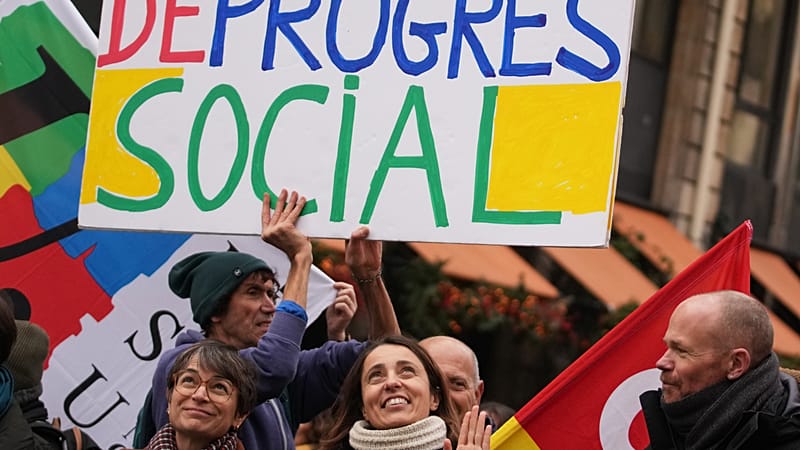
And then there’s the political fallout, the undercurrent of frustration building in societies across Europe. When people feel perpetually squeezed, their trust in institutions—in governments, in central banks—begins to fray. You don’t have to be a prophet to see that kind of widespread economic unease can breed discontent, even unrest. Voters remember who made their lives harder, or at least who couldn’t make them easier.
📄 POLICY WIRE WHITEPAPER PUBLISHED: PAKISTAN'S NATIONAL SECURITY POLICY PRIORITIES
👉 READ BY CLICKING HEREThe official narrative of ‘resilience’ starts to ring hollow when you’re standing in line at the grocery store, staring at prices you couldn’t have imagined a few years ago. People aren’t dumb. They know the difference between a number on a payslip — and what that number can actually buy. This isn’t just about abstract economic data; it’s about real people, real families, facing real hardships.
What This Means
The pervasive trend of shrinking real wages across Europe, despite nominal increases, signals a profound economic and social challenge. For one, it puts immense pressure on governmental stability. Populations experiencing prolonged declines in purchasing power are more prone to populism and radical political shifts, making it harder for incumbent parties to secure reelection or implement long-term policies. We’re talking potential waves of political instability—just look at the past few years, movements arise when economic frustration boils over.
Economically, it curbs domestic demand, slowing growth. Consumers, feeling the pinch, tighten their belts, impacting everything from retail to tourism. Investment might also suffer if businesses foresee a shrinking market. Central banks are caught in a vise: aggressive interest rate hikes to curb inflation risk pushing economies into deeper recession, while being too passive prolongs the erosion of living standards.
But the ripple effects, as we’ve seen, extend far beyond European borders. Remittance flows to developing nations, like those across South Asia and the Muslim world, could face a sustained decline. This isn’t just a financial hit; it translates into reduced access to education, healthcare, and vital infrastructure projects in countries already grappling with their own economic woes. It forces an already challenging global labor market into new configurations, affecting even seemingly disparate areas like the structural financial issues highlighted in Gridiron Gauntlet: The Brutal Economics of Seattle’s Talent Purge. The struggle for European workers to keep pace financially creates a complex web of interconnected stresses, challenging everything from local politics to global humanitarian concerns.