


Shadows of a Plague Past: CDC’s Stark Warning on Ebola Lingers Amid Global Indifference
POLICY WIRE — Washington D.C. — They’re talking about it again, the ghostly whisper of contagion, a numbers game played with human lives. It’s not a new tune, yet each time the drumbeat...

POLICY WIRE — Washington D.C. — They’re talking about it again, the ghostly whisper of contagion, a numbers game played with human lives. It’s not a new tune, yet each time the drumbeat picks up—this particular, chilling forecast—it makes the blood run cold. We’re not just looking at a regional health crisis anymore; it’s a global stress test, a policy barometer measuring just how short our collective attention span really is.
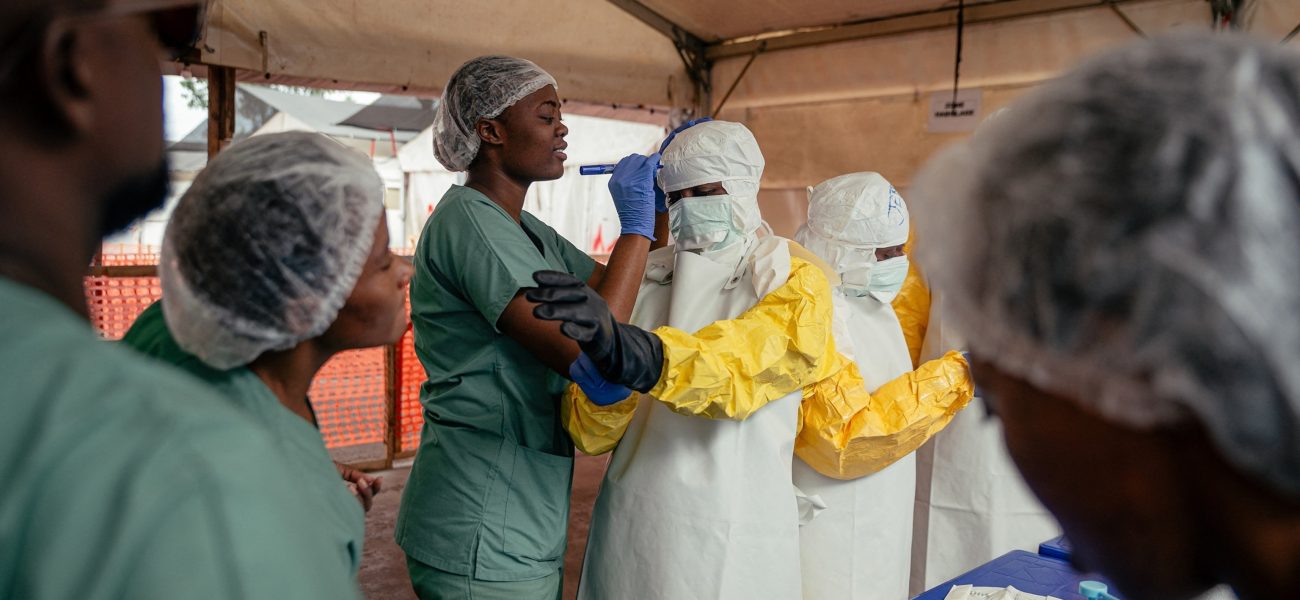
Because, honestly, haven’t we been here before? The Centers for Disease Control and Prevention (CDC) just laid it out plain, issuing a prognosis grim enough to snap anyone out of their complacency. They suggested, quite plainly, that an active Ebola outbreak might very well balloon beyond 20,000 cases in a mere three months. But this isn’t some abstract actuarial prediction—it’s a potential human tragedy unfolding in real-time, its tendrils reaching beyond clinic walls and national borders. [QUOTE_PLACEHOLDER]
It sounds like science fiction, a plague movie script playing out. You see, the CDC isn’t in the business of sensationalism; they’re in the business of cold, hard epidemiology. And when an agency like that throws out a figure like 20,000 in 90 days—without urgent interventions, mind you—it means we’re perilously close to an edge. An edge where the disease outpaces response, where the suffering becomes exponential. It’s a simple, terrifying equation, really: slow action equals immense human cost. And who bears that cost? The usual suspects, of course. The most vulnerable, the ill-prepared.
It’s a global health security scare, plain — and simple. We’ve had a lot of those lately, haven’t we? This isn’t some distant echo; it’s a direct challenge. And it forces us to confront uncomfortable questions about our readiness. You don’t have to look hard to find parallels in other parts of the world—take South Asia, for instance. Places like Pakistan, where public health infrastructure can already be stretched thin, where populations are dense, and where movement, both internal and international, is constant. An outbreak of this magnitude, anywhere, carries ripple effects across continents, impacting trade routes, travel, and even religious pilgrimages—imagine the chaos. A significant portion of Pakistan’s diaspora moves constantly; borders aren’t hermetic seals.
But how do you mobilize that urgent response? With money, for starters. And trained personnel. It’s a bitter truth, isn’t it? According to the World Health Organization, global health aid in 2022 was just over $50 billion. That sounds like a lot until you start carving it up to address pandemics, endemic diseases, climate change, and ongoing crises. It quickly becomes a pittance for the scale of problems we’re actually facing. They’re telling us a major, rapid deployment of resources is the only way to avert this kind of calamity. We know the drill. It’s just a matter of if—or when—the political will catches up with the scientific imperative. History teaches us tough lessons, but sometimes, it feels like we just don’t wanna learn ’em.
📄 POLICY WIRE WHITEPAPER PUBLISHED: PAKISTAN'S NATIONAL SECURITY POLICY PRIORITIES
👉 READ BY CLICKING HEREPast outbreaks, especially the West African one, showcased just how quickly societal fabrics can fray under the relentless assault of fear and contagion. Panic does funny things to people. It cripples economies, turns neighbors against neighbors, and strains whatever meager trust remains in government institutions. This time around, a new strain? A particularly virulent path? Doesn’t really matter. The principle holds. Failure to act swiftly is not merely a medical failure; it’s a profound political and economic one, with implications for geopolitics and international relations that go well beyond a single continent.
What This Means
This stark CDC pronouncement isn’t just a clinical warning; it’s a macroeconomic — and geopolitical siren. For governments in affected regions, the immediate concern is containing the human toll—saving lives, minimizing suffering. But beyond that, we’re talking about utterly destabilizing effects. Economic activity grinds to a halt. Trade suffers. Foreign investment—already skittish in many emerging markets—dries up. The long-term impact on a nation’s human capital is profound, as generations are decimated, and essential service workers—doctors, nurses, teachers—become casualties themselves.
Politically, a mismanaged Ebola crisis can incite riots, lead to the collapse of local governance, and even trigger broader regional instability. International relations will be strained. Countries in the Global North might slam borders shut, imposing travel restrictions that punish entire populations for the failure of a few, fueling resentment and deepening the North-South divide. There’s always this delicate balancing act—safeguarding national interest versus upholding humanitarian obligations. But a full-blown pandemic doesn’t care about your finely balanced foreign policy doctrines. It forces ugly choices. This isn’t some isolated health crisis; it’s a dry run for the next global contagion, testing our collective resolve, our readiness, and, ultimately, our humanity. And believe me, the stakes couldn’t be higher. We can’t afford to repeat mistakes, not this time. The whole global village is watching—and maybe even getting tips from Beijing’s maneuvering for its own next crisis—on how we handle the imminent pressure cooker.