

El Salvador’s Iron Fist: Beyond the Courthouse Doors, a Nation Holds its Breath
POLICY WIRE — San Salvador, El Salvador — The dust, you see, rarely settles clean in these sorts of situations. Not really. When hundreds of alleged gang members face judgment en masse, the...

POLICY WIRE — San Salvador, El Salvador — The dust, you see, rarely settles clean in these sorts of situations. Not really. When hundreds of alleged gang members face judgment en masse, the proceedings themselves—however dramatic—are only one act. The real story unfurls long after the pronouncements, when the public cheers quiet and the cells doors clang shut, or don’t.
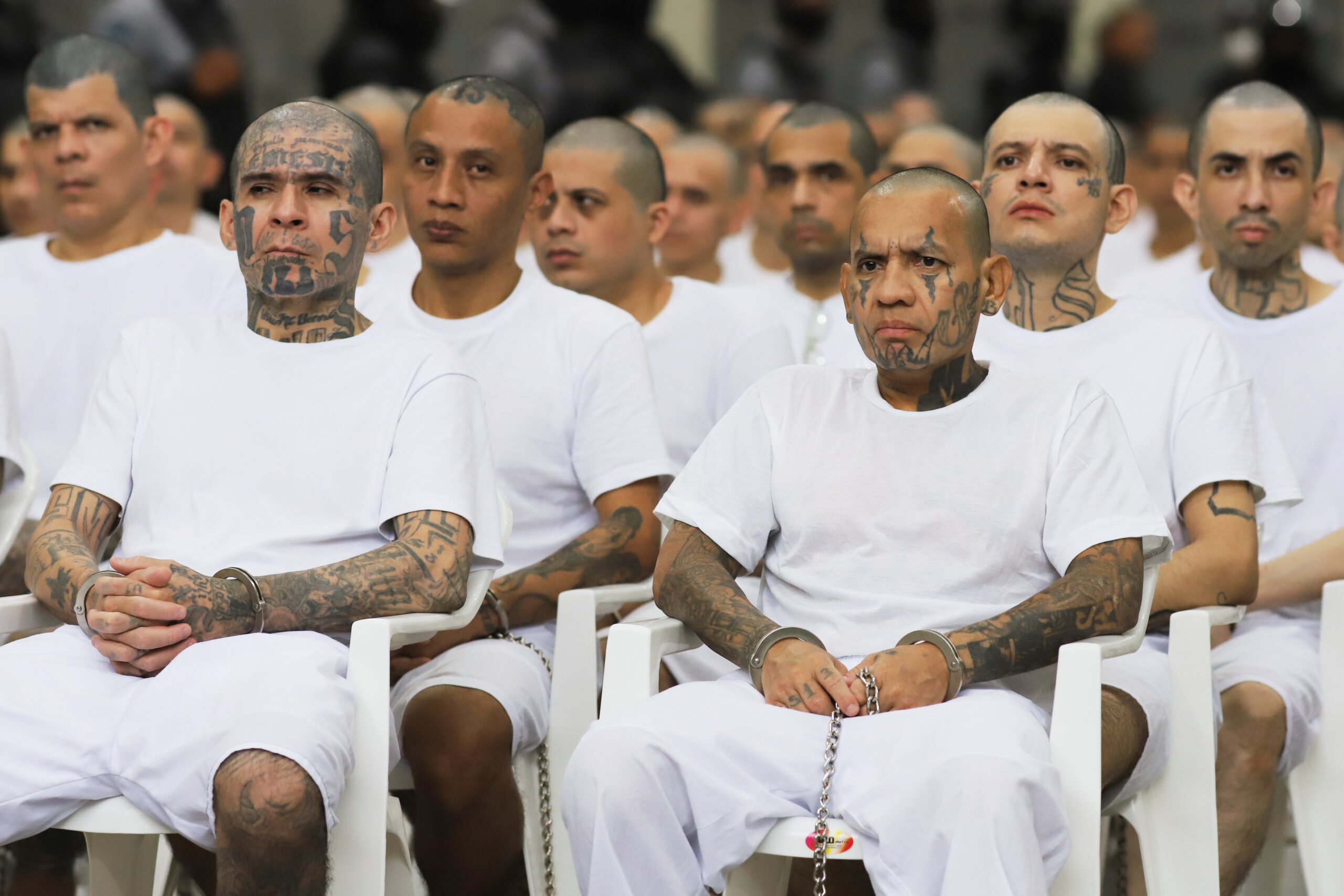
It’s the sheer audacity of the operation that grabs you first, a sort of judicial theater played out on a grand scale. El Salvador recently wrapped up one of these colossal trials, a dizzying exercise involving numerous individuals purportedly affiliated with the notorious MS-13 gang. But this isn’t just about criminals — and consequences. This is about power, public perception, and the chilling effectiveness of an authoritarian hand that often — too often, some might say — makes the law serve its narrative, not the other way around. It’s a policy experiment playing out in real-time, watched nervously by both admiring strongmen and wary human rights advocates across the globe. [QUOTE_PLACEHOLDER]
President Nayib Bukele isn’t shy about his tactics. He’s built an entire political brand around stamping out the gang problem that crippled his nation for decades. His government has effectively suspended constitutional rights—that’s a significant move, you know—arresting tens of thousands without formal charges, often based on appearances or neighborhood ties. And the population? Many, bless their hearts, are eating it up. Life on the streets is measurably safer, or so they say. Businesses that once shuttered at sundown now stay open. Public transit operates with less fear. For a country suffocated by violence, such order must feel like manna from heaven, regardless of the messy implications of its delivery. But liberties, once lost, tend to be rather hard to get back, don’t they?
Because every action has an equal — and opposite reaction, particularly in politics. The legal framework surrounding these arrests has been—shall we say—streamlined. Defense attorneys have often described near-impossible conditions: limited access to clients, scant evidence, and hurried hearings. This process, as it’s, tends to favor speed — and spectacle over individual due process. And that’s the rub, isn’t it? When justice becomes a factory line, you have to wonder about the quality control, or whether the emphasis isn’t on deterrence through fear, rather than precise application of law.
Consider the raw numbers: El Salvador’s prison population exploded under Bukele’s policies. Before his crackdown, the country’s incarceration rate already hovered among the world’s highest. A report by the think tank Insight Crime noted that by early 2024, nearly 79,000 alleged gang members had been arrested since the state of emergency began in March 2022. That’s a staggering increase, effectively placing over one percent of the entire adult population behind bars. It’s a scale of detention that forces uncomfortable comparisons to regimes elsewhere, places where order is bought at the steep price of fundamental freedoms.
The echoes resonate, frankly, far beyond Central America. We see parallels, stark ones sometimes, in the tough-on-crime narratives pushed by leaders in other parts of the world—regions grappling with internal dissent or security threats. Think of countries in South Asia or the wider Muslim world, where powerful figures sometimes employ sweeping powers to quash perceived threats, often garnering significant popular support while side-stepping traditional legal constraints. They promise stability, security, prosperity even. They promise to eliminate the “bad elements.” And people, desperate for an end to chaos, often acquiesce. Bukele’s approach to the MS-13 issue—mass arrests, opaque judicial processes, public strongman imagery—finds a strangely familiar resonance in discourses surrounding counter-terrorism or sectarian conflict in places like Pakistan or Egypt, where security imperatives are routinely used to justify exceptional state powers. It’s the same old tune, just a different orchestra.
What This Means
This isn’t merely a localized legal event; it’s a policy blueprint, a potent, dangerous cocktail of popular mandate and constitutional bypass. The implications for democracy in Latin America, and indeed anywhere a charismatic leader faces endemic violence, are profound. Other leaders, observing Bukele’s approval ratings soar (they’ve consistently stayed remarkably high, something any world leader would envy), are watching very, very closely. The economic cost of such mass incarceration is immense, too—housing, feeding, and managing such a vast prison population strains public finances incredibly. There’s a risk of creating a permanent underclass of ex-offenders, even wrongly accused ones, who then become perpetual wards of the state or—even worse—fertile ground for future organized crime, proving that sometimes, even when a gamble pays off short-term, the house always wins eventually. It represents a brutal calculus, as societies weigh perceived immediate security against the long-term erosion of rights, a calculation many leaders seem willing to make. It’s a cautionary tale, this El Salvador experiment. A very loud, very clear one, whether anyone chooses to listen or not.