
The Desert’s Duplicity: New Mexico’s Fleeting Storms Amidst Pervasive Dryness
POLICY WIRE — ALBUQUERQUE, N.M. — It’s an old trick, isn’t it? A sleight of hand by Mother Nature herself, drawing all eyes to one small pocket of fleeting drama while the larger, more...

POLICY WIRE — ALBUQUERQUE, N.M. — It’s an old trick, isn’t it? A sleight of hand by Mother Nature herself, drawing all eyes to one small pocket of fleeting drama while the larger, more enduring story unfolds unnoticed. In this arid corner of the American Southwest, everyone’s buzzing about Ruidoso — and its damp prospects. But the real headline, if you bothered to look past the immediate meteorological flutter, isn’t about rain. No, it’s about the relentless, sprawling aridity defining the vast majority of New Mexico, a parched landscape where even a distant thunderclap feels like a profound betrayal of the natural order.
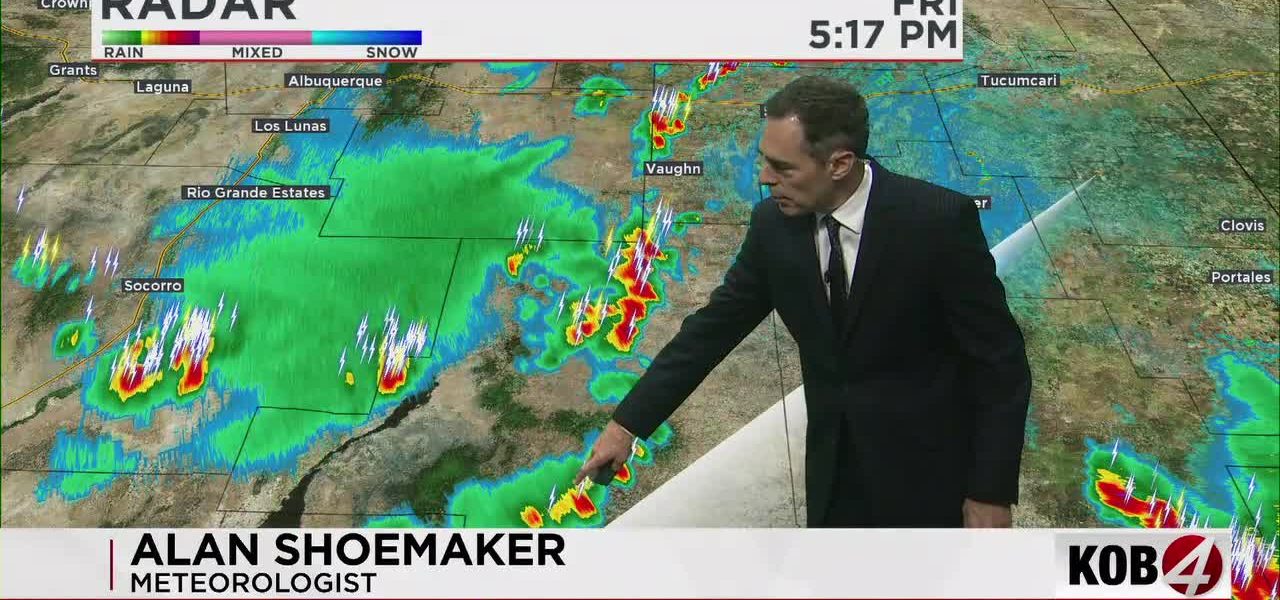
For a few tense hours, the forecast threw a modest curveball at Ruidoso. They’ve got a flood watch near Ruidoso lasts until Friday evening
because, well, even a whisper of moisture can feel like a deluge in dry riverbeds. And yeah, gusty winds could develop near the storms
, adding a bit of theatrical bluster to an otherwise rather mundane system. It’s localized. It’s temporary. But, as often happens, the hyper-focus on this isolated incident distracts from the overarching narrative. [QUOTE_PLACEHOLDER]
And that narrative? It’s simple, blunt. Most of New Mexico stays dry
. This isn’t just a weather report; it’s a statement of environmental reality. After the Ruidoso excitement peters out—and it will, probably by the time Friday’s commute home is done—the state’s massive, thirsty lands go right back to their usual state. Overnight, most areas will stay dry with only a small chance for a shower
. That’s the baseline, the default setting for millions of square miles here.
The numbers don’t lie, — and they certainly don’t paint a picture of lush abundance. By Sunday, the mercury will be pushing against the boundaries of reason, with highs will reach the 90s in Albuquerque on Sunday
. Go further southeast, — and you could see temperatures around 100 degrees
. That kind of heat bakes the land, sucks moisture from the soil, and generally makes life a little tougher. It doesn’t scream a ‘dramatic storm season’ statewide, does it?
Compare this isolated New Mexico event to patterns observed globally in arid regions—think parts of Pakistan, for instance. Like New Mexico, vast swaths of Pakistan face severe water stress, yet suffer from unpredictable, violent monsoons or cloudbursts that cause flash flooding in parched lands. Pakistan, in fact, is projected to be one of the most water-stressed countries globally by 2040, according to the World Resources Institute. It’s a land where climate extremes hit hard, sometimes delivering too much water too quickly, followed by long, dry spells, impacting agricultural yields and displacing communities.
But the comparison points aren’t just about water. It’s also about attention. Small, dramatic weather events — an unexpected gust here, a localized downpour there — grab the headlines, becoming the subject of endless local news cycles. They’re visible. They’re immediate. But they obscure the relentless, often less cinematic, struggle with endemic dryness that impacts economic planning, resource management, and social stability on a far grander scale.
📄 POLICY WIRE WHITEPAPER PUBLISHED: PAKISTAN'S NATIONAL SECURITY POLICY PRIORITIES
👉 READ BY CLICKING HEREThe state’s capital, for its part, remains unimpressed by the whole Ruidoso spectacle. Albuquerque’s rain chances are 10% or less
. So, while folks just a couple of hours away might be wondering if they need to move their outdoor patio furniture, everyone else is simply wondering where their next drop of water is coming from, metaphorically speaking, or bracing for yet another blisteringly hot day. That’s the cold reality of managing life in a desert state, one that many arid nations, from North Africa to the Middle East and South Asia, know all too well. It’s a continuous juggling act between potential crisis and persistent challenge, where a localized forecast barely registers on the bigger climate ledger. And that, really, is the rub, isn’t it?
What This Means
This micro-drama around Ruidoso, brief as it may be, actually offers a snapshot into larger political and economic vulnerabilities. When meteorologists point out how most of New Mexico stays dry
, it’s not just a casual observation; it’s an economic indicator. Pervasive dryness means less water for agriculture, impacting rural economies directly and hitting consumer food prices indirectly. Farmers and ranchers, already struggling, face a landscape where even ephemeral precipitation becomes a media spectacle, highlighting just how starved the land is. But because most attention fixates on immediate, sensational events—a flash flood watch, even a tiny one—the slow-burning, systemic crisis of aridity often gets pushed to the back burner of public discourse and, crucially, policy debates.
From a policy perspective, this skewed focus is incredibly dangerous. Governments aren’t incentivized to tackle diffuse, long-term problems like regional water scarcity when the political points come from responding to sudden, acute emergencies. It’s a classic case of reactive versus proactive governance. Pakistan, for instance, has long struggled with water management policies, compounded by a media landscape that frequently highlights the dramatic — floods, heatwaves, or disputes over scarce resources — but rarely engages in sustained, structural critiques of the long-term planning failures. The information war on Balochistan, where essential resource issues are often overshadowed by security narratives, mirrors this perfectly.
Economically, a persistently dry state sees its growth hemmed in. Industries reliant on water — from tech manufacturing to recreational tourism — hit hard limits. Property values in water-stressed regions become contentious, while insurance costs for unpredictable, localized weather events like those seen near Ruidoso can tick upwards. It’s a financial burden on citizens — and local authorities. So, while this particular Ruidoso alert might pass quietly, its mere existence — alongside the glaring absence of rain for everyone else — should compel a deeper, more rigorous conversation about resource resilience and adaptation. Otherwise, we’re just waiting for the next localized drama to distract us from the overarching dry truth. It’s high time leaders across the American Southwest, and indeed across the global arid zones, grasp the bigger, dryer picture and implement strategies for long-term water security, not just react to fleeting weather oddities.