
Emirati Ambition Undeterred: Man City Chairman Signals Enduring Reign Post-Guardiola
POLICY WIRE — Manchester, England — The trophy parade barely a fading echo, the champagne corks probably still rolling under somebody’s couch, and Pep Guardiola’s shadow not quite...

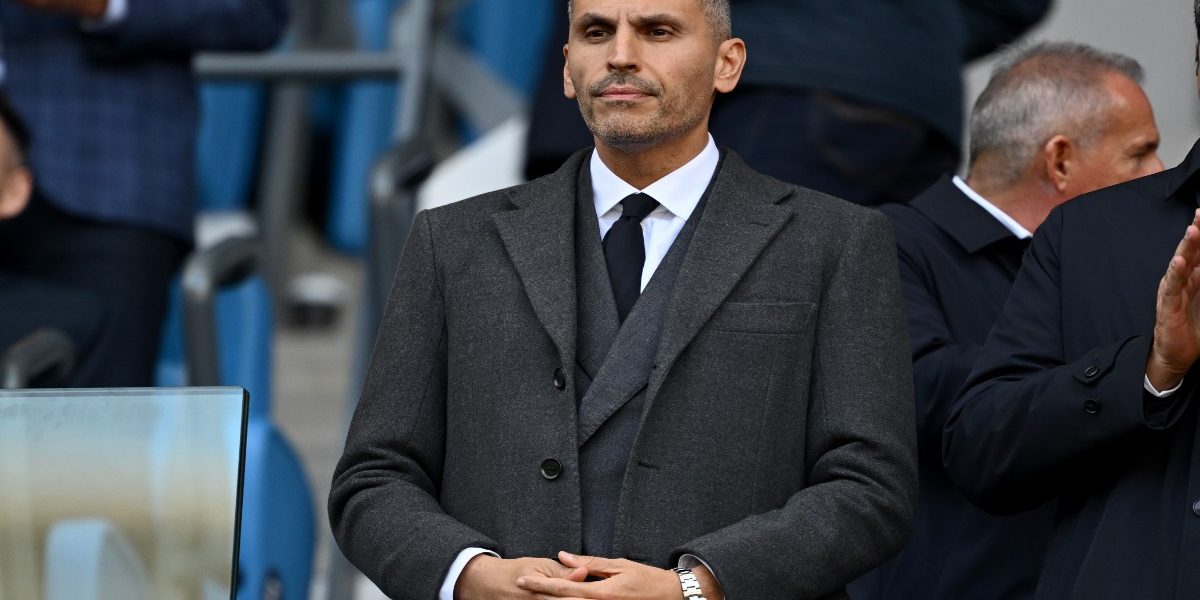
POLICY WIRE — Manchester, England — The trophy parade barely a fading echo, the champagne corks probably still rolling under somebody’s couch, and Pep Guardiola’s shadow not quite dissipated from the Etihad’s immaculate turf—yet, Manchester City’s chairman, Khaldoon Al Mubarak, is already at the pulpit. Not to mourn, mind you. Oh no. But to issue a cool, almost clinical warning: don’t confuse the coach’s exit for a slipping standard. Not here, not with this club. This isn’t just football; it’s a statement, steeped in petrodollars — and unwavering geopolitical resolve.
It’s always struck me how these end-of-season interviews from Al Mubarak often sound less like a club chairman’s wrap-up and more like an economic minister outlining quarterly projections. And honestly, they often carry similar weight. His latest isn’t just about comforting the faithful; it’s about chilling the opposition. You thought the Guardiola magic was everything? Think again, he practically sneers. This behemoth, he asserts, it’s built different.
“This is a club that’s designed and built to win,” Al Mubarak declared, almost as if talking about an industrial complex, not a football team. “We’re used to being successful, because it’s in our DNA, winning.” Quite the genetic code, if you ask me. He wasn’t stopping there either. He’s seen the evolution, the sheer, relentless upward trajectory. “I look at where the Club was in 2008, — and then I look at every part of these last 18 years. Roberto Mancini brought that first Premier League title to this Club, we will never forget those moments.” Because who would forget the start of an empire?
He continued, charting the progress: “It was a great period then, [after] a first FA Cup win in many, many years. Then Manuel [Pellegrini] came in, [the] same thing, another Premier League title and more success.” And then, naturally, came Pep—the supposed architect. “And then Pep came in, — and it was getting that mindset, that DNA of a winning club. And now, this Club is the way we all know it right now. What Pep has given us has taken us to the next level, and I think we’re so thankful for what he’s helped build here.” A rather understated acknowledgment, don’t you think, considering the silverware hoard?
But that’s the thing about institutional power. Managers, however iconic, are ultimately cogs in a larger, finely-oiled machine. This isn’t Chelsea, cycling through coaches like disposable fashion. City’s project, birthed from the deep pockets of Abu Dhabi’s ruling family via the Abu Dhabi United Group, was never meant to hinge on one man. Its roots run deeper, touching the global ambitions of its Gulf patrons—a consistent thread woven into modern global sport.
📄 POLICY WIRE WHITEPAPER PUBLISHED: PAKISTAN'S NATIONAL SECURITY POLICY PRIORITIES
👉 READ BY CLICKING HEREAnd because, frankly, the numbers don’t lie. In 2023, Manchester City reported staggering revenues of €712.8 million, ranking second globally, according to the Deloitte Football Money League. That sort of financial muscle doesn’t just evaporate because a manager changes his office. It fuels unparalleled infrastructure, player recruitment, — and an expansive global brand.
This long-term, calculated investment isn’t just about English football. It mirrors a broader strategic footprint from the Gulf across diverse global sectors, from finance to infrastructure, and, yes, sport. Pakistan, for instance, a nation of football enthusiasts (despite cricket’s dominance), represents a growing market. The Premier League’s reach, spearheaded by clubs like City with vast social media presences and scouting networks, connects seamlessly with an engaged, tech-savvy youth demographic in places like Lahore or Karachi. The impact of global sports brands transcends the immediate, offering pathways for cultural exchange and economic engagement that extend far beyond a ninety-minute match.
What This Means
Khaldoon Al Mubarak’s almost blasé confidence isn’t just personal bravado; it’s a window into the nature of modern footballing power. We’re looking at a carefully constructed, multi-continental sporting conglomerate designed to outlast individual talents, whether on the field or in the dugout. This defiance serves as a clear signal to rivals, financial fair play regulators, and perhaps even to political observers in various capitals: the UAE’s strategic investments in soft power, channeled through entities like City Football Group, aren’t fleeting. They’re a long game. The club’s continuity plan, backed by seemingly limitless capital and a proven administrative structure, ensures a sustained presence at football’s pinnacle, regardless of who’s barking orders from the touchline. But it’s also a stark reminder that what we often celebrate as sporting genius is now intricately tied to the whims, ambitions, and resources of sovereign wealth. That’s a different ballgame entirely.